Exploring New Technologies in Digital Forensics: Insights from Techno Security West 2024

The future of investigations is here, and it’s bringing a host of cutting-edge technologies to the table. From neural machine translation (NMT) to augmented reality (AR), professionals are finding new ways to uncover, recreate, and analyze evidence. This year’s Techno Security West conference offered a unique opportunity to dive into these advancements, and our VP of Product and Technology, Gilbert Segura, was at the forefront of the discussion.

Meeting the Global Investigative Community

At Techno Security West 2024, professionals from around the globe gathered to explore emerging technologies. Law enforcement, federal investigators, and commercial forensic experts joined us from Los Angeles, Taiwan, the Netherlands, and beyond. Their mission? To better understand how tools like NMT, large language models (LLM), and AI intersect in their work. 

One common theme emerged: language capabilities are often an afterthought in investigative and forensic tools. Whether they’re tackling a local case or handling an international investigation, many investigators admitted that they rarely get language resources at the start of their analysis. Yet in a globalized world where criminal activity knows no borders, the need for accessible language solutions is becoming increasingly clear.

“Security, accountability, and accuracy drive this industry because there’s a lot at risk. When language capabilities are overlooked, it can lead to critical delays that impact success.”

Analysts and law enforcement need to hit the ground running and delays due to language barriers can be detrimental.

SLIDE: Bridging the Language Gap

Gilbert presented alongside Steve Braich, who introduced SLIDE, the Spoken Language IDentification Environment, and one of the only products designed to address this specific need. During the session, which despite being the last session on the last day, attracted 50+ attendees and the team conducted live demos showcasing SLIDE’s ability to identify and transcribe languages like Spanish, German, and French—in real-time. 

In a memorable moment, Gilbert even tried his hand at Russian, though it quickly became apparent that his single semester of Russian from years ago wasn’t enough to convince the system! “It was a fun moment,” Gilbert shared, “It was horribly terribly bad, and we all got a good laugh about how my Russian accent is so disjointed that it was heard as Arabic, Korean and Greek which the system decided to also show as the broken universal character �” Despite not having understood that language-salad correctly, the audience appreciated the capabilities demonstrated, and the session highlighted the importance of having real-time multilingual support for many purposes. 

The Power of Integration: Tools for the Modern Analyst

Beyond language identification, the session explored how emerging tools like LLMs and automatic speech recognition (ASR) are being integrated into workflows. With advances in multimedia integration, crime scene reconstruction is evolving rapidly. Investigators can now capture video or audio footage and translate it into multiple languages. Transcription also allows for other analysis tools to take over as it’s a pass through to other systems—sometimes the analyst only needs a direction to follow; then they go back to their secure enclave to pursue it. 

As law enforcement and investigators increasingly deal with complex, multinational cases, technologies like these allow them to analyze scenes from new perspectives. Neural machine translation (NMT) and LLMs are helping teams manage data more efficiently, allowing for faster, more accurate results. 

“These technologies not only speed up investigations but also provide critical accuracy in a field where every detail counts. By leveraging multimedia tools, we’re giving investigators the power to see and understand things they otherwise might miss.”

Addressing Key Concerns: Security, Privacy, and Speed

During the session, the speakers also tackled some of the key concerns security professionals face when using AI-powered tools. Chief among them are questions around speed and privacy. As Gilbert noted in his discussions with practitionerscloud-based systems offer speed but often raise concerns about data security, confidentiality, and regulatory compliance. On the flip side, local deployments of tools may be slower but can provide more control over sensitive data. The SLIDE system was working offline 100% of the time during the session to demonstrate it’s local nature. 

“It’s all about balance. Investigators have to weigh the speed and convenience of cloud-based tools against the need for confidentiality and control. Each case may require a different solution, and we’re here to help navigate those choices.”

A Look Toward the Future

As the digital forensics world continues to evolve, language and technology will play increasingly important roles. Whether it’s leveraging VR and AR to view evidence or using AI-powered tools to bridge the language gap, the possibilities are endless. 

PGLS is proud to be at the forefront of these innovations, helping investigators, law enforcement, and forensic teams gain access to the tools they need to succeed. As Gilbert and his team demonstrated, solutions like SLIDE are not just making investigations faster—they’re also making them more accurate and accessible to everyone involved. 

Connecting with Us

Want to learn more about how PGLS is pushing the boundaries of language technology? If you weren’t able to attend the conference, connect with us to see how our solutions can transform your investigative processes. Gilbert Segura and the team will be holding a webinar next month, and we invite you to come, ask questions, and experience our demos firsthand. 
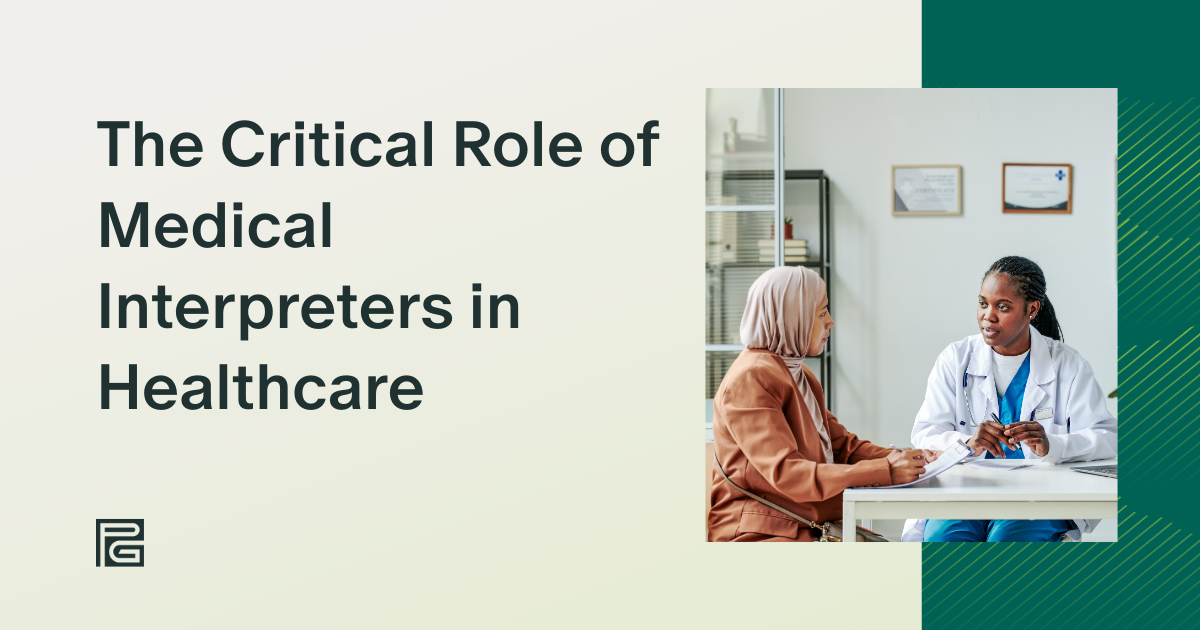
The Critical Role of Medical Interpreters in Healthcare: Ensuring Patient Safety and Accurate Communication

In today’s increasingly diverse healthcare environment, accurate medical translations and interpreting plays a critical role in ensuring patient safety and improving healthcare outcomes. The growing need for medically trained human interpreters, especially as demographic changes shift patient populations, highlights the importance of precision in language services. 

As a veteran in the language services industry, I have participated in and witnessed many changes. From the introduction of telephone-based technology used to expedite connections to qualified linguists, to regulatory enhancements designed to equalize access for limited and non-English speaking communities, significant advancements have been made in supporting language services in healthcare.

“While technology has improved access, human interpreters remain the most effective solution for complex medical interactions where accuracy, empathy, and cultural nuance are critical.”

The Need for Human-Based Medical Interpreting

In healthcare settings, effective and accurate dialogue between patients and medical professionals is vital for diagnosis, treatment, and patient care. Miscommunication in these situations can lead to serious risks, including incorrect diagnoses, medication errors, failure to obtain informed consent, and more. Accurate, human-based interpreting ensures that critical medical information, such as symptoms, medications, and treatment plans, is conveyed precisely without misunderstandings, thereby reducing the risks associated with language barriers. 

While technology-driven solutions, such as speech to text to speech and AI, have evolved, they cannot yet replicate the depth of understanding or cultural nuance that human interpreters provide. Particularly in healthcare, where patient emotions and subtleties of speech can significantly impact outcomes, trained human interpreters remain essential. A slight error in interpretation or translation can drastically affect patient health. This makes trained interpreters as essential to healthcare as a nurse, a radiology technician, or other healthcare professional ensuring that language barriers do not impede quality of care.

Demographic Drivers Increasing Demand for Medical Interpreters

The demand for professional medical interpreters is growing, driven by demographic changes in various regions of the United States. Immigration patterns and the overall aging of populations have led to an increase in non-English speaking patients seeking care. In metropolitan areas such as Los Angeles, New York, and Houston, where diverse populations are expanding rapidly, the need for accurate language services in healthcare is paramount. 

According to recent studies, over 25 million people in the U.S. have limited English proficiency (LEP), a number that continues to rise. Many of these individuals live in areas with limited access to qualified interpreters, creating an urgent need to bolster the workforce in medical interpreting. Areas with significant immigrant populations—such as the Southwest, the Northeast, and parts of the Midwest—are particularly affected, further underscoring the importance of having certified human interpreters readily available to meet patient needs.

Why Human Interpreters Over Technology?

While the advancements in technology are impressive, human interpreters still offer distinct advantages over machine translation or other tech-driven solutions. Human interpreters are trained to navigate complex medical terminology, cultural nuances, and sensitive emotional contexts that often arise in healthcare settings. Furthermore, human interpreters ensure a patient-centric approach, fostering trust and comfort—two essential elements in providing quality care. 

Relying on untrained bilingual speakers, such as family members or hospital staff with some language proficiency, poses significant risks. Family members may lack the medical knowledge to interpret complex terminology accurately. Additionally, culture or family biases may interfere with the communication flow resulting in withholding of sensitive information, paraphrasing or filtering content. Similarly, untrained bilingual staff may make critical mistakes when interpreting medical jargon, leading to potentially harmful outcomes for the patient. Professional medical interpreters, on the other hand, are trained to navigate medical terminology and ensure that all communication is clear, culturally sensitive, accurate and without bias. Like any other healthcare professional, they play a vital role in safeguarding patient safety and improving outcomes.

Addressing the Growing Need for Medical Interpreters

Despite the critical role of interpreters in healthcare, the field of medical interpreting is currently facing a shortage of professionals, and this gap is widening as the need for multilingual healthcare continues to grow. As the population of non-English-speaking patients increases, healthcare institutions must prioritize the acquisition of qualified medical interpreting solutions through the recruitment and training of skilled interpreters and/or outsourced services to meet demand. Several factors are driving this shortage, including the limited availability of interpreter training programs, the lack of awareness about the profession, and the financial barriers to obtaining certification.

There are several ways to address this, healthcare institutions, language service providers and government agencies could invest in interpreter training programs. Scholastic institutions could bring back language education in K–12 schools, encourage career opportunities and offer certification pathways and offer scholarships to attract new talent. Creating awareness about the critical role interpreters play in healthcare could drive interest and advocacy for policies that bolster this essential workforce.  

The Future of Medical Interpreting

As global migration patterns continue to diversify patient populations, the demand for accurate medical translations and interpreting services will only increase. While technology will undoubtedly play a role in facilitating access to these services, human interpreters remain the most reliable and effective option for ensuring positive patient outcomes in healthcare settings. 

Healthcare providers must recognize that language access is a critical component of patient safety and mandated by federal law. Investing in qualified, human interpreters is essential to overcoming language barriers. Whether through increasing interpreter training programs, promoting language education, or raising awareness about the importance of this profession, we must take steps to ensure that all patients—regardless of their native language—receive the care they deserve.

Remove Barriers to Healthcare

Professional language interpreters are vital for ensuring positive outcomes in healthcare settings. While technological advancements are impressive, it still falls short when nuanced and sensitive human-to-human communication is necessary. As the demand for multilingual healthcare continues to grow, it is important to expand the pool of qualified medically trained language interpreters. Without this pool of professionals, those who need accurate medical care but are unable to communicate because of language barriers, will likely experience more negative outcomes. Whether as healthcare professional, educator, or policymakers, we must support this essential career, ensuring that language is never a barrier to quality care. 

Contact us to see how we can help your organization today.

Bridging the Gap: The Importance of K-12 Language Access with Almeta Radford

The Language Access Lectern | a Piedmont Global Podcast | Episode 1

Multilingual learners (MLs) are the fastest-growing student population in the United States. Educators, administrators, language access professionals, and community leaders have a responsibility to ensure that every student, regardless of their linguistic and cultural background, has equal access to educational resources and opportunities.

For the inaugural episode of The Language Access Lectern, host Mark Byrne speaks with Almeta Radford, the director of public communications at Manassas City Public Schools. Almeta is not only a champion for language access but also co-hosts the podcast “Riding with the Radfords.”

Listen to the episode here. Read on for a few of the most insightful takeaways from Mark and Almeta’s conversation, including the unique strategies Manassas City Public Schools employs to foster inclusive environments for multilingual and EL students. 

Why Language Access Matters in K-12 Schools

Mark: We recently convened at the Language Access Symposium, which brought together a unique mix of school districts and language access champions. Each has different resources and budgets and approaches their language access programs differently. Almeta, what were some of your impressions and takeaways from the event?

Almeta:  It was nice to hear everybody be open about not only their triumphs where they have been able to help families but also their challenges. Sometimes, you feel like there are people out there who are in a “perfection state,” but maybe they are having a hard time meeting all of the demands and needs just the same way that we are, even at a smaller level. My takeaway was that you’re just like me. These other administrators and educators have a lot of the same challenges and responsibilities, and they want to make a difference in the same way we do.

Mark: In your words, why is K-12 language access planning so important?  

Almeta: Achievement gaps exist all across the country in ML populations. This problem is not unique to any one of these schools within the DMV; it’s widespread. Plenty of data out there talks about the impact of parent and student engagement on student growth. The more engagement and parental participation in their student’s education progress, the more we can move numbers related to student growth. 

How School Districts Can Support EL Students and Families

Mark: As you mentioned earlier in our discussion, EL students are now the fastest-growing segment in the United States.

Almeta: Manassas City Public Schools, like many others, has seen a growing demand for language services to meet the needs of their diverse student body. This includes not only Spanish speakers but also families who speak other languages.

Mark: How is Manassas City Public Schools working to meet the needs of this student population?

Almeta: We definitely have grown in our need for language services, so I’m fortunate to have an interpreter and translator in the central office. We have one person in my department and dedicated Spanish interpreters in each of our nine locations. As for supporting families who speak other languages, that’s where Piedmont Global comes in to help us with interpreting and translation support.

How Can K-12 Language Access Managers Advocate for Resources?

Mark: You mentioned working in K-12 schools for 26 years. What advice do you have for fellow language access managers, educators, and administrators passionate about helping EL students succeed?

Almeta: I had the opportunity to connect with several other K-12 language access managers at the Language Access Symposium, and one topic that came up frequently was budget. One administrator noted she was scared to go into the room and ask for more budget. I sit on the cabinet with our superintendent and others, and I frequently make that budget ask in those meetings. I told her that we needed to get them excited about our impact. Look how many of our families receive the information they need. She said she had never thought about it that way. It’s about empowering those people in the room to connect with your story.  

A Call to Action for Educators and Administrators

Mark: What do you want our listeners to learn from your experience working with EL families and students?

Almeta: Helping parents understand their rights for interpretation services is an incredibly important theme all across the country. Some states do better than others in letting parents know about their rights. One thing that I hope other school leaders take away from that conversation is that we all have a great opportunity to be advocates for those multilingual families in our community. 

Listen, watch, and subscribe to The Language Access Lectern on YouTube and piedmontglobalLearn more about Piedmont Global interpreting, translation, and language training services for K-12 schools here 

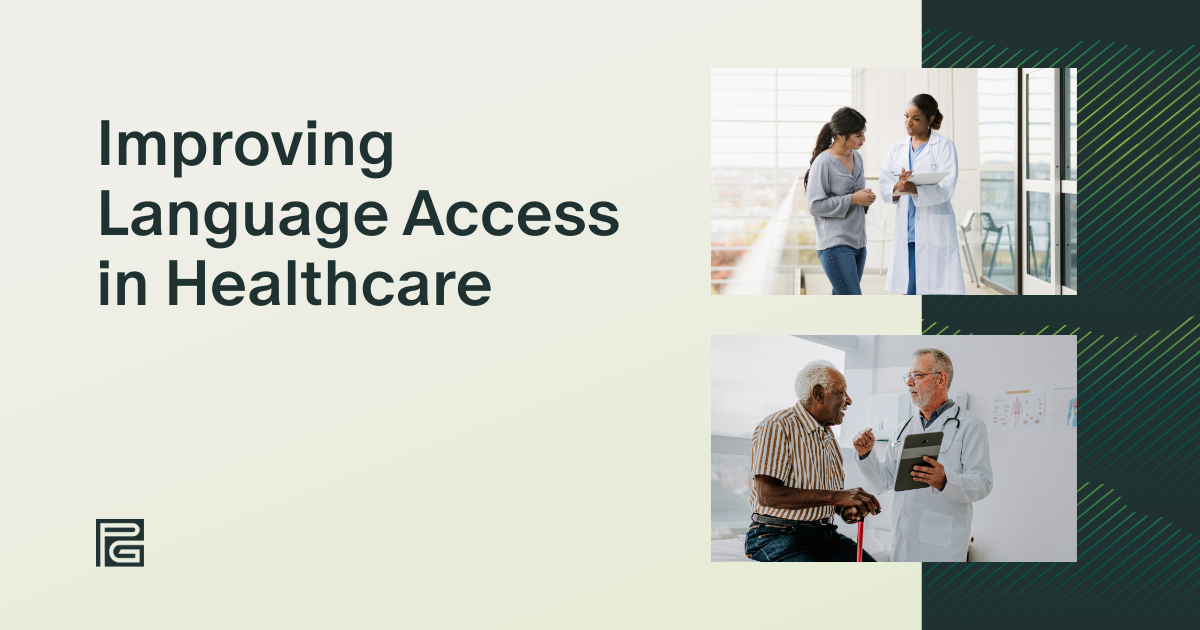
Improving Language Access in Healthcare: Conducting a Gap Analysis to Enhance Patient Care

Language access is a crucial aspect of healthcare, ensuring that limited English proficiency (LEP) patients receive equitable treatment. Conducting a gap analysis helps hospitals assess their current language access services and identify areas of improvement, enabling them to enhance communication, compliance, and patient outcomes. 

Pre-Visit Communication

Effective language access in healthcare starts before patients even set foot in the hospital. Assess whether patients can request language services during appointment scheduling and if pre-visit communications are available in threshold languages. Gaps in language services here could lead to higher cancellation and no-show rates, directly affecting patient care. 

Key Considerations:

  • Is the patient portal available in multiple languages? 
  • Are pre-appointment instructions accessible in threshold languages? 
  • How effectively are language services communicated to patients before their visit?

Navigating Intake

When LEP patients arrive, the intake process can present barriers without proper language support. Ensure that printed and digital facility maps, intake instructions, and signage are translated into the necessary languages. Additionally, intake staff should be trained to access audio, in-person, and video interpreter services. 

Key Considerations: 

  • Are language services readily available at all access points? 
  • Do intake staff know how to request appropriate interpreter services? 
  • Is external signage, such as transportation directions, available in multiple languages?

During Care

During patient care, interpreter access is essential. Evaluate the average response time for interpreters and ensure providers know how to access different forms of interpretation. Make sure that vital documents, such as consent forms and treatment instructions, are available in the required languages. A policy regarding family member interpretation should also be in place. 

Key Considerations: 

  • What is the average response time for interpreters? 
  • Are consent forms and critical documents translated? 
  • Do staff have clear guidelines for accessing interpretation services?

Follow-Up Care and Outcomes

Assessing the follow-up care process ensures that LEP patients receive proper post-visit care, which contributes to their health outcomes. Treatment plans, test results, and prescriptions should be available in the patients’ languages. Additionally, patient outcomes and satisfaction should be regularly reviewed to monitor the efficacy of the language access plan. 

Key Considerations: 

  • Is follow-up care available in threshold languages? 
  • Do you survey LEP patients about their language service experience? 
  • Are patient outcomes regularly reviewed to track success?

Reviewing the Results

Once the gap analysis is completed, reviewing the findings allows for a comprehensive understanding of areas that need improvement. This process can help spark new ideas for expanding language access in healthcare services and guide the development of advocacy strategies to secure the necessary resources for your program’s success. 

A thorough gap analysis provides the insight needed to improve your language access plan. By identifying deficiencies and making necessary adjustments, hospitals can ensure better communication, compliance, and patient care for LEP patients. 

For even more useful tips and guidance, download our Complete Guide to Language Access Planning and Assessment HERE.

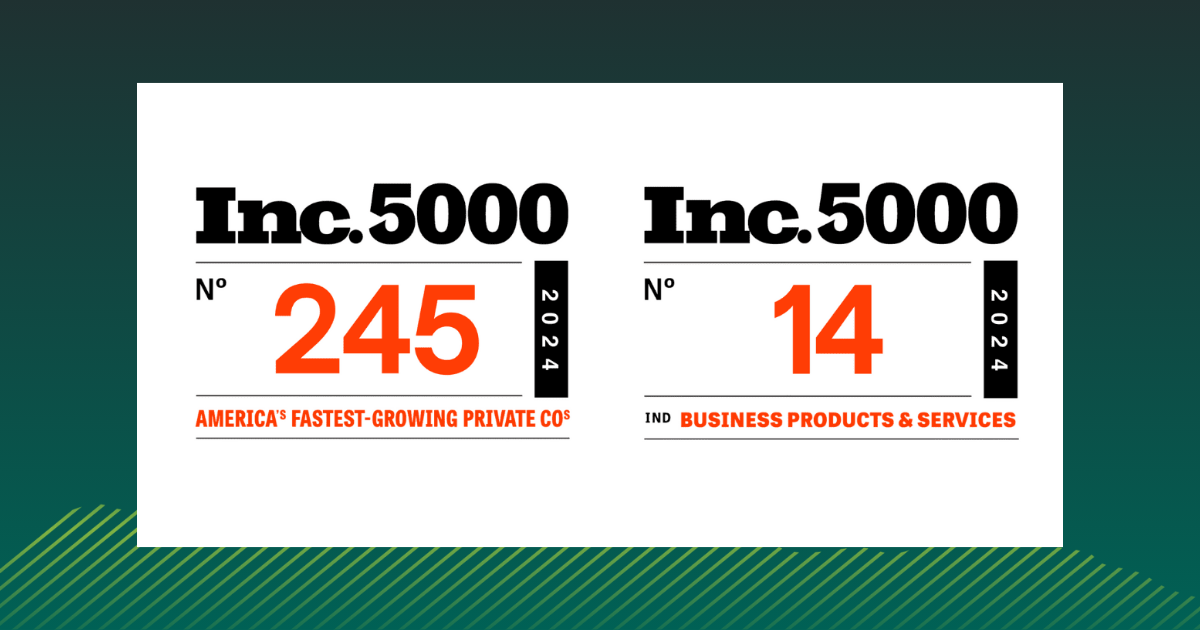
PGLS Soars to No. 245 on the Inc. 5000 List, Marking Third Consecutive Year of Growth

Among America’s Fastest-Growing Private Companies, PGLS Ranks No. 245 Overall and No. 14 in Business Products and Services

Piedmont Global Language Solutions (PGLS), a global leader in language and communication solutions, has once again been honored on the prestigious Inc. 5000 list, now securing the No. 245 spot. This marks the third consecutive year that PGLS has been recognized as one of the fastest-growing private companies in the United States. The Inc. 5000 list is renowned for showcasing businesses that are shaping the future of their industries, and PGLS’s rapid ascent—having been ranked No. 461 in 2022 and No. 424 in 2023—underscores its sustained and accelerating growth.

“It is an incredible honor to not only make the Inc. 5000 list again but to achieve such a significant leap in our ranking. This accomplishment is a testament to the culture of innovation, resilience, and partnership we have cultivated at PGLS. We are committed to not just maintaining our momentum but accelerating it, as we continue to push the boundaries of what’s possible in global communication.”

In 2024, PGLS further solidifies its position as the fastest-growing provider of comprehensive global business solutions. This achievement is driven by the company’s unwavering commitment to client satisfaction, strategic innovation, and a deep understanding of the complexities of global communication. PGLS offers a comprehensive suite of language and communication solutions, including translation, localization, interpretation, and language training, as well as specialized services in staff augmentation, market intelligence and growth advisory. These solutions empower organizations in an increasingly interconnected world. 

As PGLS celebrates this remarkable milestone, the company remains focused on shaping the future of global business and communication. By expanding language access, fostering cross-cultural connections and leveraging tech-enabled solutions, PGLS is set to drive even greater impact in the global marketplace. With a clear vision and a strategic roadmap for continued growth, PGLS is poised to drive even greater impact in the global marketplace.

PGLS is a leading provider of global language and business solutions dedicated to unlocking the full potential of communication – empowering our clients to achieve growth, enhance experiences, and transform information into actionable insights. Committed to innovation and excellence, PGLS offers a range of services designed to meet the evolving needs of our diverse clientele. From language and communication solutions to market intelligence, staff augmentation, and growth advisory, PGLS is redefining the landscape of global business and communication, empowering organizations to succeed in a dynamic world. 

8 Tips for Utilities to Choose the Right Language Services Provider

Utilities must balance safety, cost-effectiveness, and energy efficiency in their daily operations. Partnering with a Strategic Globalization Organization (SGO) who shares these values is crucial. This collaboration can develop a multilingual communications program that drives organizational growth, enhances service delivery, and allows utilities to embrace the latest energy trends with exceptional transparency.

Choosing the right partner and adopting a strategic approach to language access are key to meeting regulations and achieving business goals. Here are some tips for selecting the right provider:


1. Evaluate the Partner’s Background and Experience in the Utilities Sector

When selecting a language services provider, consider their industry expertise, knowledge of state and federal energy regulations, and commitment to environmentally-friendly initiatives. A provider well-versed in these areas ensures compliance, offers innovative solutions, and contributes to sustainability.

Piedmont Global has extensive experience providing language solutions to utility companies such as Washington GasDominion Energy, and Northern Virginia Electric Cooperative (NOVEC), as well as government agencies and other commercial clients. We also recognize and value sustainability in the sector.


2. Consider the Partner’s Ability to Accommodate the Languages Spoken in Your Territory

Inquire about the SGO’s cultural competence in working inclusively and sensitively with Limited English Proficiency (LEP) communities. This includes their experience in effective communication, understanding cultural nuances, and providing accessible language services.

Piedmont Global frequently hires linguists who are local to the communities we serve. As a full-service SGO, we offer diverse, customizable solutions in over 200 languages and dialects. Our experts are trained in the nuances of the utilities sector and are embedded in various service territories.


3. Review the SGO’s Quality Assurance (QA) and Quality Control (QC) Processes

These processes may involve everything from vetting and training staff to proofreading multilingual content and ensuring accuracy and timeliness. Effective management ensures that the provider delivers high-quality, culturally appropriate services that meet the diverse needs of LEP communities.

Piedmont Global operates with a robust ISO 9001:2015 Certified Quality Management System (QMS) that exceeds both ISO and ASTM International standards for the provision of language services. Our pool of 5,000+ language professionals are trained in this and continually honor these standards.


4. Assess the SGO’s Commitment to Data Security Since Not all Technologies are Created Equal

From translation requests to document management services, compliance, security, and efficiency are essential. This ensures that operations are streamlined, sensitive information is safeguarded, and services are delivered promptly and accurately.

Piedmont Global takes customer privacy and data security seriously. We proudly offer NIST 800-171-compliant network infrastructure, distribute non-disclosure agreements (NDAs) to all personnel, and facilitate annual security refresher trainings.


5. Evaluate the Partner’s Ability to Ensure Timely Communication During Critical Situations

Multilingual communications must be immediate (especially in emergency or extreme weather situations). For example, during a hurricane, providing real-time updates in multiple languages ensures that all residents, including those with limited English proficiency, receive crucial information to stay safe and take necessary precautions.

Piedmont Global can accommodate fast turnarounds and offer language services in real-time. We work as efficiently as possible – and leverage technology as needed – to serve clients.


6. Consider if the SGO Can Provide Cost-Effective Language Solutions

Multilingual communications must be cost-effective and deliver measurable ROI, even for smaller utilities with tighter operating budgets. Investing in efficient language services ensures broad reach in multilingual markets and justifies the investment through clear, quantifiable benefits such as improved customer satisfaction and operational efficiency.

Piedmont Global offers a high return on investment, with translation and interpretation work that can save lives – and reduce the need for emergency services – in the energy sector.


7. Assess if the SGO Understands the Specific Needs of the Energy Utilities Industry

Multilingual communications must be tailored to the energy utilities industry. This ensures that technical terms and industry-specific information are accurately conveyed, enabling all customers to understand their energy usage, billing, and available services regardless of their language proficiency.

Piedmont Global has a deep understanding of the sector’s evolution and core variances, from regional differences to the operational nuances of different utility providers.


8. Determine if the SGO Project Management Capabilities Ensure Customized and Accurate Communication

Multilingual communications must be clear, accurate, and personalized. This improves customer satisfaction, builds trust, and improves engagement, all while meeting regulatory requirements and fostering inclusivity.

Piedmont Global offers client-centric project management and delivery, with a dedicated project manager assigned to each energy utility client. This promotes a customized approach.


Ensure Language Access With Piedmont Global

Piedmont Global is a leading provider of translation, interpretation, and language training solutions in over 200 languages and regional varieties. In emergencies or extreme weather situations, multilingual communications must be immediate. Piedmont Global can accommodate fast turnarounds and provide real-time solutions. We work efficiently and leverage technology to serve clients effectively. Contact our team to explore how our language services, tools, resources, and expertise can help energy utilities achieve their language access goals.

5 Steps to Building a Language Access Plan in the Energy Sector

The energy sector is constantly evolving—structurally, environmentally, and demographically. In the United States, approximately 3,000 electric utility companies deliver power to over 140 million customers each year. Over 68 million U.S. residents speak a language other than English at home and 29.6 million of these people have limited English proficiency (LEP).

Though utility providers value consumer experience, far too many overlook their non-English-speaking clientele. When resources and information are unavailable in a person’s spoken language, the customer struggles to read the provider’s website or communicate with a call center agent. As a result, problems around loyalty, engagement, and safety ensue.

Language access plans are integral to serving LEP communities—allowing utility companies to support their members, prioritize consumer welfare, and adequately communicate with all of their customers.


How to Develop Your Language Access Plan

Designing a language access plan requires careful coordination. Utilities should take the following steps to build their own:


1. Plan Carefully

Start by evaluating your current language access capabilities. An expert language access consultant can help evaluate your needs. If you don’t currently have a program or plan in place, identify the need based on the language requirements of the people within your service territory.

Think about the size of your energy utility, the market you serve, and the events you experience in your region. For example, providers in Florida, Mississippi, Louisiana, the Carolinas, and Georgia will need to integrate hurricane season into their language access plans. Providers always have the option to survey their community to assess demand.

Piedmont Global has extensive experience providing language solutions to utility companies like Washington GasDominion Energy, and Northern Virginia Electric Cooperative (NOVEC), as well as government agencies and other commercial clients. We deeply understand the sector’s evolution and core differences, including regional variations and the operational nuances of various utility providers.


2. Develop Localized Translation and Interpretation Services

Utility companies are more likely to reach new customers by offering translation, interpretation, and similar language access services. Consider the language needs of your primary market. The City of Minneapolis, for example, identified Spanish, Somali, Hmong, Vietnamese, Amharic, Lao, and Oromo as core languages in its 2015 Language Access Plan.

Interpretation: This is crucial for utility call centers when non-English-speaking consumers call about billing, energy plans, or emergencies. Call centers with language interpretation services see 35.67% higher FCR rates. The San Francisco Public Utilities Commission (SFPUC) offers free interpreter services for public hearings, presentations, and meetings.

Translation: Utilities must provide key documents and materials—including invoices, service notices, and safety insights with contact numbers for drilling or digging—in the languages spoken by LEP communities within their service territory. These translated materials must be free and readily available.

Localization: Energy utilities should localize all digital content, including websites, software, and user documentation. Why does this matter? A 2020 CSA Research survey found that 76% of shoppers prefer to buy from websites available in their native language. Shopping for an energy utility company is no different.


3. Train Staff to Support Consumers With LEP

Energy utilities can incentivize bilingual staff to work for their organization. Consider partnering with a designated language service provider (LSP) to improve training and support consumers with low English proficiency.

An LSP offers specialized training programs for your staff, equipping them with the skills needed to better serve diverse populations. This collaboration enhances customer satisfaction, ensures compliance with regulatory requirements, and bolsters the utility’s reputation for inclusivity and accessibility.


4. Roll Out Your Multilingual Communication Strategy

Carefully consider the timeframes, milestones, and stakeholders involved in this process.  Prioritize targeted outreach to connect with LEP customers who will benefit most from multilingual language access. Localized SMS notifications, and partnerships with government agencies, are equally effective marketing techniques.

It is crucial to roll out a thorough and effective program rather than rushing the process. Consumer safety, transparency, and access to the energy grid are paramount. This ensures that all customers, regardless of language proficiency, have the information they need to stay safe, understand their utility services, and fully participate in the benefits provided by the energy grid.


5. Focus on Continuous Improvement

Utilities should plan to monitor and evaluate the effectiveness of their language access programs. To do this, utilities may choose to collect feedback (from consumers and stakeholders), examine customer multilingual usage data, and conduct annual surveys to pinpoint areas for improvement.

Staying up-to-date on demographic changes in the service territory is essential. By monitoring shifts in the population, language services can be adjusted to meet the needs of the LEP populations being served. This proactive approach ensures that services remain relevant and effective, accommodating any new language needs that may arise as demographics evolve.


Ensure Language Access With Piedmont Global

A well-designed language access plan enables consumers with low English proficiency to communicate with customer support, ask questions confidently, and safely navigate outages and emergencies.

Piedmont Global is a leading provider of translation, interpretation, and language training solutions in over 200 languages and regional varieties. In emergencies or extreme weather situations, multilingual communications must be immediate. Piedmont Global can accommodate fast turnarounds and provide real-time solutions. We work efficiently and leverage technology to serve clients effectively. Contact our team to explore how our tools, resources, and expertise can help energy utilities achieve their language access goals.

eLearning Localization: Engaging Multilingual Learners in 7 Industries

The world is increasingly connected in commerce and trade, thanks to the internet. The global pandemic of 2019 highlighted the need for a connected global workforce. The tools developed during this time also facilitated remote meetings, work, and training. Trainers no longer needed to fly to remote offices, and employees didn’t need to spend a week in a conference room for training. COVID-19 banned travel, and like a social experiment, we learned that remote work is possible. Almost.

To adapt to technological and economic changes, distributed organizations need a robust learning strategy to develop talent and enhance performance in the new remote eLearning environment. Like Zoom meetings, eLearning existed before COVID. It lived in global organizations with remote satellite offices, often in different countries and cultures. Managing eLearning in one language is challenging, let alone in five or a dozen languages.

When it comes to multilingual learners, many organizations initiate eLearning projects without a clear global vision and strategy, often relying on outdated content that is delivered in a ‘broadcast’ manner. This approach fails to transfer knowledge to multilingual learners from diverse cultural backgrounds. Other teams sometimes lack the tools, resources, and skilled professionals to design, deliver, and manage eLearning programs—and then struggle to do this at scale.

A poorly or partially produced video will backfire without considering local attitudes. Without localization, eLearning content may be misinterpreted, misunderstood, or lost entirely in the target culture. So, which industries can benefit from localizing their eLearning content? Here are seven inter-related examples. Not every solution will fit all teams, but exploring different approaches is worthwhile.


1. Global Corporations With a Multilingual Workforce

Gallup report found that organizations that make strategic investments in employee development experience 11% greater profitability and are 2x as likely to retain their employees. However, creating a high-development culture requires more than just adding a few learning programs to the roster.

As a company grows internationally and workforces diversify, Learning and Development (L&D) professionals encounter communication differences when sharing core messaging and critical training modules. It becomes vital for eLearning courses to be made local to accommodate diverse employee demographics.

Localization ensures that training can be delivered in multiple languages at scale and guarantees that all teams, domestic or abroad, can improve through localized content in their native language. This ensures that training materials are culturally relevant, linguistically accurate, and aligned with local regulations and practices. A global talent development team must consider multilingual learners in different locations, not just one, and tailor the message to connect while still achieving the objectives and desired outcomes.


2. Educational Institutions with Multilingual Learners

According to the National Center for Education Statistics (NCES), public colleges enrolled approximately 7.5 million online students in 2022. Another 2.6 million remote learners attended private schools, including 1.8 million at nonprofit institutions and nearly 800,000 at for-profit schools. Not all of these students are local.

“If we really want to provide equal opportunities for all students, and we want underrepresented minority students to do well, we really need to pay attention to their experiences and their perspectives and give them the tools to do better.”

Universities, colleges, and schools offering online courses in learning management systems need to localize their content to accommodate international students or learners from various linguistic backgrounds. This enhances accessibility and improves learning outcomes for multilingual learners. It is also an obligation. While it may not be Title 9 or a specific mandate, there’s a need for feasibility and enabling students to learn effectively.

Making courses available to students anywhere—and translating them when there’s interest—is important. “Locale” refers to how particular words need to be in relation to the goal. For example, in one part of town, people might call it a “sandwich,” while in another part, they might call it a “hoagie” (a US English, mid-Atlantic linguistic divide). Does it matter? Sometimes it’s not relevant, but other times it can cause minor or major distractions. Most major errors are caught by a local review, there are ways to bring that upstream. Fixing and re-deploying a course after it’s already launched is a partially wasted effort.


3. Public-Sector Agencies Addressing Multilingual Constituents

Government departments or agencies involved in training initiatives, public awareness campaigns, or citizen education programs may require localization services to reach constituents in various regions or linguistic communities. Over 359 languages are spoken in the US, making it #9 globally out of 242 countries. This is far fewer than Papua New Guinea’s 840 languages but highlights our globalized nature. While we focus on the US in this example, each region has its unique challenges and opportunities.

For example, a public health campaign regarding vaccination must account for cultural beliefs about healthcare, local idioms, varying literacy levels, and language preferences for those with limited English proficiency (LEP) to achieve success. This is especially true for Black, Indigenous, and people of color (BIPOC) populations, who often harbor greater distrust and hesitancy toward vaccines. There are other policy implications that go beyond our topic—but the best solution is to embrace the diversity of the cultural divide and allow that differences will appear. If you pay attention, there is something to learn about the diverse populations that make up the patchwork of communities and can drive better engagement and response.

Localization ensures that important information is not only understood but also embraced by the community. This can lead to greater mission success with the desired outcomes of a program, whether it’s increased public knowledge, changed behaviors, or improved access to services.


4. Healthcare Providers Serving Multilingual Populations

Healthcare organizations frequently develop eLearning modules for staff training, patient education, or medical certification programs. Localizing these materials is crucial to ensure that terminology, procedures, and healthcare guidelines are accurately conveyed across different languages and cultural contexts.

For instance, consider patient education. The term “hospice,” commonly translated into Spanish as “hospicio,” often carries the negative connotation of institutionalizing a loved one. This concept is unfamiliar in Latin America, where most families care for their loved ones at home.

“Latinos often think they’re giving up on their [loved one’s] medical care, and that’s not the case. It’s bringing a holistic, compassionate form of health care focused on dignity and the patient’s wishes.”

Suzanne Sanchez, Community Liaison at Hospice of the Valley, says that while they have bilingual staff serving Spanish-speaking patients, they “don’t focus on the word, but on the feeling.” Similarly, localization goes beyond word-for-word translation to account for such cultural nuances. In all patient interactions with cultural or language barriers, there are opportunities to improve access and quality of care by providing more culturally-aware context. Better outcomes result from adapting to the patient, rather than expecting the patient to adapt to something unfamiliar.


5. Technology Companies Engaging Multilingual Learners

Approximately 16% of the world’s population speaking English, but surprisingly 52% of websites are written in English. Software companies, IT firms, and tech startups that develop eLearning software tutorials to reach global users or product training materials to engage multilingual learners often require localization services.

According to a recent study by DeepL, 75% of respondents agree that localized content significantly increases customer engagement. It also improves user experience and promotes wider adoption. People are more inclined to engage with content that resonates with their linguistic and cultural background, leading to increased user satisfaction and product success. Product teams regularly consider user personas, use cases, and the best outcomes from using a product. The language aspect shouldn’t be an afterthought if you want to capture the remaining 80% of the global market.


6. Manufacturing and Industry with Multilingual Workers

Companies in manufacturing, engineering, or industrial sectors often create eLearning courses for employee training on safety, standard operating procedures, or compliance. Did you know that, Hispanic and Latino workers are expected to comprise 78% of new workers by 2030, yet they face a 32% higher risk of fatal work injuries?

Localization ensures that safety and training resources are effectively communicated to workers across diverse linguistic backgrounds. Without multilingual and localized content, it is impossible to hold every employee to the same safety, productivity, and quality standards. Additionally, other worker populations, such as overseas subsidiaries or partners, regularly need to understand concepts that enable higher performance. While some organizations manage with bootstrapped solutions, a comprehensive strategy can significantly improve efficiency and operational excellence for multilingual learners.


7. Nonprofit Organizations Engaging Multilingual Communities

NGOs, charities, and humanitarian organizations involved in capacity-building initiatives, community development projects, or advocacy may require localized eLearning content to engage with stakeholders in different regions or language groups. Localization helps reflect local customs, values, and norms, making the content relatable and respectful to the target audience. Incorporating locally relevant images, symbols, and voices in multimedia content also boosts engagement and retention among the audience.

For example, UNICEF localizes educational materials for children in different countries, ensuring they are culturally and linguistically appropriate. The Amref Health Africa in the US uses localized eLearning content to train health workers across Africa. Their materials are tailored to the specific health needs and cultural contexts of the regions they serve. A smart strategy for localization can also stretch the effectiveness of budgets so that more impact can be achieved with less wasted effort.


Localize Your eLearning Content with Piedmont Global

Starting an eLearning localization project involves careful consideration of various factors, from advanced project management to international regulations. Piedmont Global is the preferred language partner for organizations of all sizes. Our renowned localization services, coupled with our team’s expertise, a global network of specialists, and tailored end-to-end solutions, ensure comprehensive support at every stage of the localization process. We can help craft a strategy, introduce new tools and processes, and optimize your global-to-local communication pipeline. eLearning can be complicated but getting solutions to reach multilingual learners doesn’t have to be.

5 eLearning Localization Strategies for Global Corporate Training

Rapid Growth of the Corporate eLearning Market

Did you know that in certain large organizations, up to 60% of training costs are due to travel? But the age of the traveling trainer is fading, replaced by digital self-learning as training delivery becomes more accessible across borders.

The pandemic, rise of remote work, and normalization of video calls have significantly transformed corporate training. The global corporate eLearning market is projected to reach $50 billion by 2026, growing at an annual rate of 15% from 2020 to 2026.

eLearning teams with increasingly global responsibilities must bridge language and cultural barriers. Yet, in many cases, localization strategies for global eLearning content often overlook the vast intercultural differences between headquarters and satellite offices. To speak effectively to local audiences, it is vital to transform eLearning content into a version that resonates with native speakers, rather than produce an imitation of the original.


What is Localization in Corporate eLearning?

Creating successful eLearning content for international audiences requires more than just translation. Localization is essential. It involves adapting translations to fit the culture and context of a target market, ensuring that the content feels natural and native to its audience. A robust eLearning localization strategy considers the cause and purpose behind various content elements, such as narratives, images, ideas, and overarching concepts.


Localization Strategies and Best Practices for Corporate

To help you develop impactful eLearning content, we’re sharing five strategies and technical best practices to overcome common challenges for a successful and efficient launch.


1. Engage Global Stakeholders to Inform the eLearning Content Strategy

How do you identify and incorporate the content needs of global and multilingual audiences? After all, the best content feels tailor-made – not adapted from another source.

It is important to engage global stakeholders who represent your end-users, as their feedback can be invaluable to the design and language of the eLearning content.

Even simple interactions, like greetings between colleagues, can vary widely between cultures. Collaborating with stakeholders allows timely adjustments to minor yet significant changes that could become costly fixes later.

It is essential to source at least one stakeholder from each country to capture linguistic and cultural variations. Larger countries like China may require multiple stakeholders to account for regional differences.


2. Have an Effective Feedback Loop When Creating Source Content

As part of your eLearning localization strategy, it’s important to create a detailed content outline and have it reviewed by stakeholders. This not only includes text, but audio and visual resources as well. Incorporate their feedback to develop content variations tailored for each region.

It is essential to consider the broader context, storytelling mechanisms, and subtle visual details to achieve a natural manner of speaking and engage with the audience. Remember, the goal is to ensure the audience can focus on the content without being distracted by mistranslations or cultural faux pas.


3. Work with a Language Partner with eLearning Expertise

Localizing eLearning content is a multifaceted and complex process that goes far beyond a word-for-word translation. Where typical translation projects involve linguists and quality assurance, eLearning localization requires additional experts such as narrators, graphic designers, video editors, and specialists with sharp linguistic skills. The right language partner can offer you:

  • In-house expertise with eLearning project management.
  • Multimedia content localization expertise.
  • Voiceover support, talent selection, multimedia editing, and pronunciation guides.
  • Comprehensive quality assurance.
  • Effective communication on project needs, status, and troubleshooting, with seamless collaboration between linguists and multimedia producers.


4. Leverage AI Tools to Streamline eLearning Content Production

While AI technology is not a cure-all, it can accelerate certain aspects of the localization process without compromising quality, particularly for media-rich projects.

For example, when it comes to graphics and video localization, AI can refine low-resolution files to enhance their appearance or adapt elements to align with a region’s cultural norms. This may involve substituting local signs, eliminating background noise or music from videos, or adjusting logos to accommodate global variations.

Voiceovers can improve attention and retention, particularly when combating screen fatigue caused by lengthy content. However, sourcing in-country voiceover talent can be expensive and time-consuming. AI-driven voiceover technology provides a viable alternative, but it’s crucial to have a linguist oversee the process to ensure accuracy and maintain quality.

AI plays a vital role in streamlining eLearning content production, but it’s important not to overlook the human touch. Collaborating with linguists and specialists ensures the content resonates with multilingual audiences.


5. Measure the Success of Your eLearning Content

There are multiple ways to gauge the success of your eLearning program and gather social proof for future projects:

  • Survey global users. Craft questions that ask about their user experience, perception of quality, and level of engagement.
  • Pay attention to engagement metrics. Positive engagement outcomes such as downloads, minutes watched, or quiz scores directly reflect the effectiveness of your localization efforts.
  • Rely on your language partner. They can offer metrics beyond just linguistic quality to pinpoint success factors.


Localize Global eLearning Content with Piedmont Global

Localizing global eLearning content can be daunting. As the project expands and progresses, the scope of project management will also broaden. Managing thousands of files and vast amounts of data can easily get out of hand. However, a language partner with an eLearning focus can help streamline the process by employing a systematic approach to maintain control and momentum.

At Piedmont Global, we curate an eLearning development team that encompasses diverse expertise. Our team consists of multimedia specialists, linguists, AI specialists, and project managers who work collaboratively to produce refined and localized content. From inception to completion, these teams remain consistent, ensuring seamless continuity, high quality, and efficient cost management.

Ready to get started? Get in touch to start a discussion on how to position your eLearning localization endeavors for success!

Who Are the Hmong People? Unraveling Their History, Culture, and Language

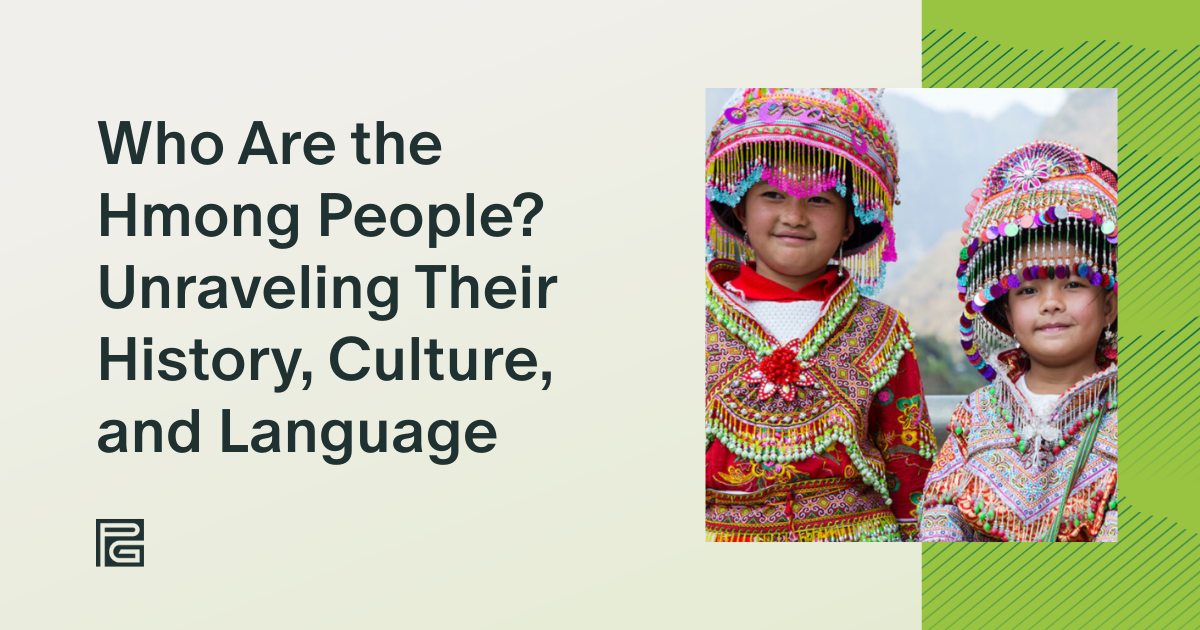
The Hmong are an indigenous group from East and Southeast Asia. Today, there is a large community of Hmong people in the United States. Faced with persecution, the Hmong were political refugees from the Vietnam War and migrated to countries like Australia, Canada, the United States, and more.

According to a 2021 report by the American Community Survey, there are 368,609 Hmong Americans, many of them face socio-economic, cultural, and linguistic barriers to accessing essential services like healthcare and education.

This blog explores the history, culture, and language of the Hmong people, the challenges they face, and how organizations can assume cultural sensitivity and improve language access to engage and support the Hmong community.


Hmong History: Where Did the Hmong People Come From?

The Hmong people are an ethnic group tracing back over 4,000 years to China and were originally part of the Miao ethnic groups dwelling in the fertile lowlands of southern China.

In the 19th century, the Hmong migrated from southern China to the mountainous regions of Laos, Vietnam, and Thailand to escape imperialism and preserve their cultural identity. Their original home is believed to have been in the Huang He (Yellow River) basin of Central China.

In the early 1960s, the CIA recruited the Hmong people for the Vietnam War against the North Vietnamese and the communist Pathet Lao. After the war, many Hmong spent time in Thailand refugee camps, before settling in countries like Australia, France, Canada, Germany, and the United States.

Although the Hmong arrived as political refugees, their resilience and contributions have enriched U.S. history.


Hmong Demographics

The 2021 American Community Survey reported a population count of 368,609 Hmong Americans. Many Hmong communities settled in states like California, Minnesota, and Wisconsin. One of the largest Hmong communities resides in Minneapolis-St Paul, Minnesota.


U.S. State Hmong Population
California
91,224
Minnesota
66,181
Wisconsin
49,240
North Carolina
10,864
Michigan
5,924


Socio-Economic Challenges Faced by Hmong People


1. Educational Attainment

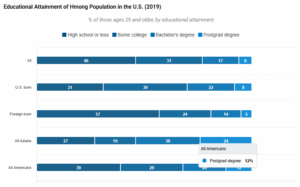
According to the Pew Research Center, educational attainment among the Hmong population in 2019 was notably low. A majority, 46%, had completed high school or less, while only 17% held a bachelor’s degree, and a mere 6% had obtained a postgraduate degree.

Educational Attainment of Hmong Population in the U.S. chart


2. Economic Stability

According to the Southeast Asia Resource Action Center (SEARAC), nearly 60% of Hmong Americans fall into the low-income bracket, with 1 in every 4 individuals living in poverty. Limited job opportunities make it difficult for Hmong families to build a brighter future. The lack of employment opportunities limits economic mobility. Many Hmong families struggle to achieve financial stability and suffer from income inequality.


3. Healthcare Services

Many Southeast Asian Americans, including Hmong Americans, face challenges in accessing physical and mental health services due to cultural and linguistic barriers. Like African Americans, they also experience lower enrollment rates for public health insurance, at just 38%. Several factors contribute to this issue, such as limited awareness of available health programs, language barriers, and cultural beliefs.


Hmong Culture


1. Family and Community

Family ties are highly valued in the Hmong culture and families will often live in multigenerational households. Respect for elders, especially grandparents and the eldest members of the family, holds great importance. In many households, they are called upon first when seeking advice, making decisions, or resolving disputes. If the elderly are unable to make decisions, the responsibility then falls on the eldest son.

Community cohesion is another major theme, as mutual support, cooperation, and clan relationships play big roles. Younger members often prioritize the needs of the family and the community before their personal desires. Providing care for aging parents is not only seen as a duty but as a reciprocation for the care and support received during their childhood.


2. Hmong Clan Structure

Hmong people are organized into 18 clans or tribes, each tracing their lineage to a common paternal ancestry. Children are considered members of their father’s clan. On the other hand, although married women become members of their husband’s clan, they retain their original clan or maiden name. This maintains a connection to their familial roots while integrating into their spouse’s clan. Members of the same clan name regard each other as family.

Hmong clan names

    1. Chang (Cha)
    2. Cheng
    3. Chue (Chu)
    4. Fang
    5. Hang
    6. Her (Herr or Heu)
    7. Khang
    8. Kong
    9. Kue
    10. Lee (Le or Ly)
    11. Lor (Lo)
    12. Moua (Mua)
    13. Pha
    14. Thao (Thor)
    15. Vang (Va)
    16. Vue (Vu)
    17. Xiong
    18. Yang (Ya)

3. Gender Roles

Hmong culture observes traditional gender roles where men are responsible for decision-making and providing for the family, while women often manage household tasks and childcare.

However, due to the influence of American culture and generational shifts, younger generations of Hmong Americans grow up to be more gender inclusive.


Hmong Religion and Spirituality

The Hmong practice Animism, which is the belief that objects, places, and creatures all possess a spiritual essence or soul. Many Hmong homes will have altars, where offerings are made to ancestral spirits to seek their protection from illness and natural disasters.

The Hmong people believe in 32 spirits, or Khwan, which offer protection and prosperity. They also believe that those who die under certain circumstances (e.g., by accident, violence, or during childbirth) may become evil spirits. Surgery and autopsy are thought to disrupt reincarnation, potentially allowing evil spirits to enter.

Each clan has a designated shaman who serves as a spiritual and community guide. They act as ministers, doctors, and psychologists, addressing spiritual and health-related issues. Their expertise is sought for rituals, ceremonies, and ailments, which reflects their central role in traditional Hmong healing practices.

On the other hand, while many Hmong people were initially introduced to Christianity by missionaries in China in the 1800s and Laos in the 1900s, it was primarily in the United States that many Hmong converted to Christianity. American refugee policies inadvertently influenced Hmong beliefs and made it difficult to practice traditional Hmong religion as families were often divided and had limited resources to perform rituals. Furthermore, since the refugee resettlement system relied on religious agencies and churches to provide essential services, many Hmong were heavily influenced by Christian beliefs. For Hmong Christians, this meant doing away with costly shaman rituals, bride prices, and changing funeral rites.

It is important to note how Hmong religious beliefs can impact their perception of healthcare. Traditional Hmong view illness as supernatural and rely on Shamans and herbal medicine for diagnosis and treatment. Their health practices are starkly different from Western medicine and often cause confusion and mistrust among Hmong immigrants when navigating the U.S. healthcare system. Cultural understanding and language access are crucial to bridge the gaps between traditional beliefs and modern healthcare for effective health delivery.


Hmong Language

The Hmong language is part of the Miao-Yao language group. The Hmong communicated their history orally or through story cloths known as “paj ntaub” since writing was prohibited during the Qing Dynasty in the 1600s. It was only in the 1950s that a Christian missionary developed a written form of the Hmong language based on the Romanized Popular Alphabet (RPA). The Romanized Popular Alphabet (RPA) takes into account the eight tones of the Hmong language; the final letter of each word indicates the tone.

Hmong Daw (White Hmong) and Mong Njua (Green Hmong) are the two main Hmong varieties. These clan varieties are named after the colors traditionally worn by women in each group. It’s important to note that these variations differ in pronunciation, accent, vocabulary, and grammar.


Language Barriers Faced by Hmong People

1. Access to Healthcare Services

The population of Hmong people aged at least 65 doubled between 2010 and 2020. Those with limited English proficiency often relied on their children to interpret when hospitals could not provide a professional interpreter. According to Estrada, President of the North Carolina Community Health Workers Association, relying on ad hoc interpreters can pose significant risks to patient safety.

“A lot of times for our words, there’s not an exact one-to-one translation and it makes it really tricky. So being able to interpret specifically those healthcare terms is really critical.”

Many English terms lack direct equivalents in Hmong, such as “diabetes” and “cancer.” For instance, there is no direct term for “diabetes” in the Hmong language; instead, it is translated as “sweet blood.”

Recently, the Minnesota Department of Human Services faced criticism due to a poor Hmong translation for a Facebook post about Medical Assistance and MinnesotaCare, which was rife with errors. Hmong is a tonal language, which means that one small error in translation changes the meaning of the word entirely.

“This is not the first time that we’re seeing this from a public institution, and it’s outright insulting that you don’t take care to have somebody take a look, have a second eye on the translation.”

According to Xiong, public institutions often translate English to Hmong White variety even though many Minnesotans speak Green Hmong. Public institutions must take care in communicating in the variety spoken by its Hmong community.

Despite many Hmong patients having limited English proficiency (LEP), healthcare providers have a legal and ethical obligation to offer the same level of care as they do to English-speaking patients. Effective provider-patient communication is crucial for accurate diagnosis, treatment, and informed decision-making. Moreover, hospitals risk their CMS rating and federal funding if they fail to overcome language barriers. Learn how you can bridge care gaps for LEP patients with our free language access guide.


2. Barriers to Attaining Education

In the United States, educational attainment among Hmong Americans is low, even among other ethnic groups. Cultural transition is especially dramatic for Hmong youth. Hmong communities in Laos lived in rural areas with limited access to formal education and may not be literate in their native language. Hmong students who are born in the U.S. with access to English from an early age are overrepresented as English Learners in K-12 public schools and are reported as the third-largest limited English proficient (LEP) group in the country.

Take the example of Fresno State, a large minority-serving institution, which experienced a Hmong student enrollment increase from 1,097 in 2012 to 1,444 in 2018, a 32% increase. Their report claimed that 85% of Hmong students were first-generation college attendees, with a vast majority reporting that neither parent held a college degree. Alarmingly, only 3% of full-time Hmong freshmen graduated within four years, compared to 15% of their peers.

Many Hmong parents, especially first-generation refugees, expressed concern over the lack of familiarity with the American education system and struggled to support their child’s academic journey, as they themselves had limited English proficiency and little formal education.

A robust language access plan enables school districts not only to support English Learners to succeed academically but also to create an inclusive learning environment where students’ linguistic backgrounds are respected and their parents/guardians can fully participate in the educational process. If you’re interested in learning more, get our free guide to develop and implement a language access plan for your school district.


Language Access: Supporting the Hmong People

Piedmont Global is a leading provider of translation, localization, interpreting, and language training solutions in over 200 languages and regional varieties. As a preferred language access partner, we can help you deliver comprehensive language access: Hmong language translation and interpretation services. Get in touch with our team to learn more.