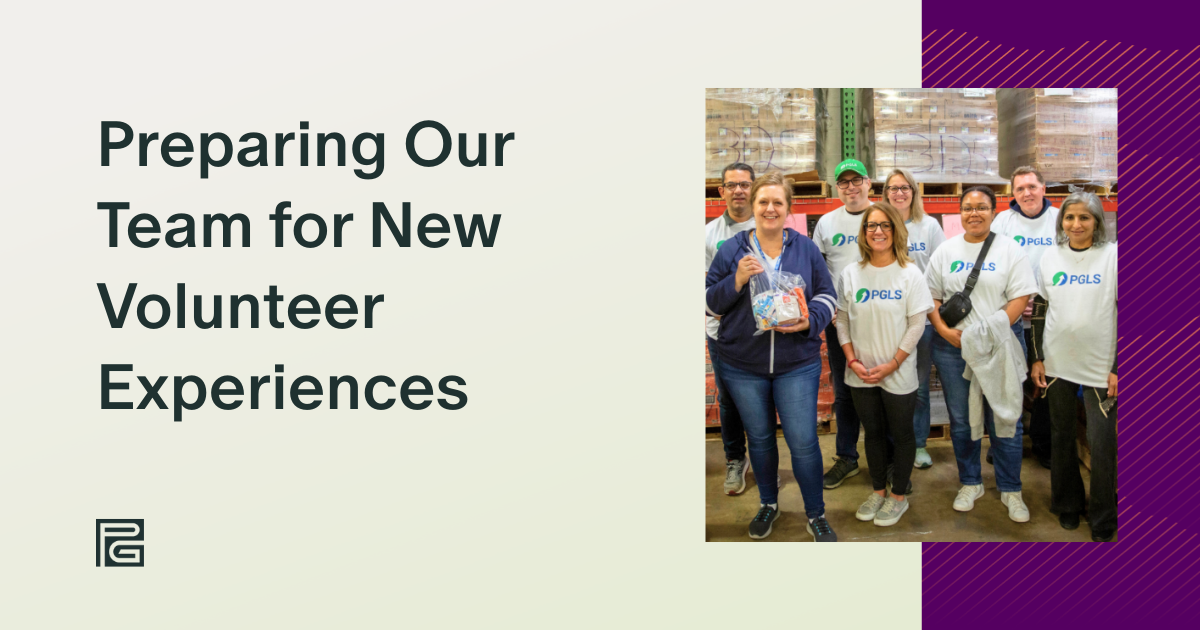
Preparing Our Team for New Volunteer Experiences: A Guide to Transformative Volunteering

While many of the cultures our global team represents are accustomed to helping others, at times we go about helping differently. This is due our varied backgrounds and life experiences. Honoring these differences, we offer multiple ways to participate through Piedmont Cares, as we believe that there is no one right to serve others. 

As we build a long-term culture of philanthropy and seek to unite global employees in efforts for social good, we’ve outlined a simple guide to help our team prepare for new experiences. Here are the principles we outline for staff as they prepare to serve others in new ways. 

Acknowledge and Respect Personal Limits

We celebrate transformative volunteerism, not performative. Our hope is that communities are transformed just as our team members lives are inspired by serving. And as we desire that volunteering be an authentic engagement, we openly declare that it’s ok to have limits. What is meaningful and comfortable to one team member may not be for another. Sometimes, there are wounds from the past that don’t let us engage with emotional or mental safety in an activity now. We hold space for those realities and tensions. We respect individuals’ choices about if and how to engage in activities. 

Reflect on Your Reasons for Volunteering

We encourage team members to prepare for experiences by checking their own motives for engagement.  

Why Are You Volunteering?

Are you animated by a desire to give back and a curiosity for learning about others’ experiences? Or are you participating out of a sense of obligation or corporate expectation? We applaud the former and try to remove any pressure for the latter. The philanthropic culture we seek to build—of genuine care and concern for others—encourages genuine, self-directed engagement. 

Stay Mission-Focused When Volunteering Feels Challenging

One barrier we’ve heard to volunteering is the vulnerability of unfamiliar experiences. Some team members have transparently shared they feel ill equipped to face new, hard realities for the first time. These concerns are valid, and we emphasize that discomfort is a natural part of growth.  

Service Over Discomfort

We encourage our team that when volunteering, the best strategy to manage discomfort in the moment is to stay focused on the mission. Whether the mission is to package food for insecure households, teach new skills to new neighbors, or hand out meals and supplies to those experiencing homelessness—whatever the mission, focus on it over self. Service comes first knowing there is a space for honest emotions right after. 

Reflect and Learn from Volunteer Experiences

Whether it’s a positive, uplifting experience or a humbling, challenging one, we encourage team members to reflect and process what they lived and what they have learned or how they have been impacted.

Growth Through Reflection

For some, this might mean celebrating a service goal exceeded as a volunteer team. For others, it might be to acknowledge a tie to a painful moment in the past or a sobering new reality in the present. Our philanthropic commitment is human first, alwayswhich also applies to team members’ volunteer experiences. Our corporate culture of learning and improvement encourages us to reflect deeply toward growth in everything we do. 

Let Volunteering Expand Your Capacity to Serve

We view volunteering as an opportunity to foster individual and team growth. We grow as individuals and as a collective when we live and reflect on experiences rooted in humanity and community—especially in a business such as oursTherefore, in preparing our team for new experiences, we encourage them from the beginning to allow the experience to change them.  

Pushing the Boundaries of What is Possible

Through volunteering, we hope our team gains a greater understanding of a people group or a new personal commitment to participate in social change. Our hope is that our teams’ capacity to show up for each other, for clients, and for our local and global communities expands as a result of volunteering. Limits are removed and together, we push the boundaries of what is possible. 

Building a Global Culture of Social Impact

Volunteerism is not just about giving back; it’s about growing as individuals and as a team. At PGLS, we believe in the power of service to foster connection, learning and transformation. By equipping our global team with the right tools and mindset, we aim to create lasting social impact—together. 
Leadership Insight: Emerging Trends in Global Communication for 2025

As globalization drives international business, the language services industry is evolving rapidly. By 2025, businesses will be forced to navigate increasingly complex multilingual environments where communication technologies are pivotal in facilitating cross-border interactions. Five emerging trends in global communication, particularly in language services, offer a data-driven analysis of what businesses can expect moving forward. 

Key Takeaways:

  • AI and machine learning are set to revolutionize the language services industry, but human translators will remain crucial for high-context scenarios. 
  • Multilingual digital communication is becoming essential for global business success with almost 50% of internet content generated in non-English languages. 
  • The global speech recognition market is expected to reach $53.67 billion by 2030, making voice technologies key to breaking language barriers. 
  • Cultural intelligence and authenticity will become a differentiator for global brands.

1. AI and Machine Learning Revolutionizing Language Services

AI and machine learning (ML) are transforming language services at an unprecedented rate. By 2025, the machine translation market alone is expected to hit $1.58 billion. The compound annual growth rate of over 13% percent during 2020-2025 highlights the growing reliance on automated translation solutions. 

One of the key advancements in this space is Neural Machine Translation (NMT), which delivers more accurate and context-aware translations than its predecessors. The rise of Google’s NMT and DeepL are examples of how businesses are turning to AI-powered solutions for real-time, scalable translation services.  

Despite the advancements in NMT, businesses recognize the limitations of fully automated solutions. Studies suggest that while many companies are leveraging AI to enhance efficiency, they also still rely on human linguists for post-editing to ensure quality, accuracy, and cultural intelligence. This hybrid approach combines the efficiency of machine translation with the human expertise, striking a balance that is particularly important for sectors like legal, healthcare, and finance.   

As we approach 2025, experts expect the combination of AI and human collaboration to become the industry standard. The interplay between technology and human expertise ensures that language services remain efficient, but also deeply attuned to cultural nuances essential for communication across diverse markets.

2. Surge in Multilingual Digital Communication

As digital transformation accelerates, multilingual communication in digital spaces will be indispensable. The global e-commerce market is projected to reach $7.4 trillion by 2025, according to Statista, with more than 80 percent of this growth coming from non-English-speaking countries. This means businesses will need to offer multilingual support not just on their websites but across all digital touchpoints. These include social media, customer support, and e-commerce platforms. 

In 2024, almost 50 percent of the internet’s content was generated in languages other than English and that number is expected to continue to continue to increase. For companies to compete in the global marketplace, the growth of non-English content will require a shift in communication strategies. Businesses will need to focus on localized customer experiences, integrating language services into their broader marketing and customer service strategies. 

The third edition of the “Can’t Read, Won’t Buy” study from CSA Research found that 72 percent of customers are more likely to purchase products or services if the information is available in their native language. The same study found that 40 percent of shoppers will not make a purchase in other languages. This indicates a significant revenue opportunity for companies that prioritize multilingual digital communication. We expect this percentage to rise further by 2025 as consumers continue to demand personalized, native-language content. 

3. Advancements in Speech Recognition and Voice Technologies

Voice technology is rapidly advancing, driven by breakthroughs in natural language processing (NLP). By 2025, the global market for speech recognition technologies is expected to reach $53.67 billion by 2030 with a CAGR of 14.6 percent, according to Grand View Research. These tools are becoming a game-changer for businesses that operate across languages, allowing for seamless real-time communication in international settings. 

Companies like Google and Microsoft are leading the charge with advanced voice recognition software capable of transcribing and translating spoken language in real time. By 2025, we expect these technologies to be integral to business meetings, customer interactions, and even product accessibility. The ability to provide real-time language support via voice technology will help businesses break down communication barriers and reach a broader audience. 

4. Cultural Intelligence as a Key Differentiator

As businesses become more globalized, cultural intelligence will provide a foundation for authentic brand communication in new markets. A study by a University of Maryland professor found that the individuals who adapt effectively to culturally diverse situations achieve better outcomes in negotiations. The art of persuasion relies on an understanding of audiences that extends beyond the surface. Meaning, brands bidding for international buyers must do more than translate content superficially to reach diverse markets. 

Instead, committing to cultural authenticity in 2025 will set apart the winners and losers in their bids for consumer trust. Accenture’s 2024 Life Trends Survey found that 59.9 percent of respondents are questioning the authenticity of online content more than ever. This highlights the growing demand for culturally relevant communication that demonstrates empathy and understanding of localized audiences. Generative AI will be used as a scaling tool to produce brand content. To overcome skepticism and earn buyer trust, this content will need to be managed closely by in-market cultural experts. 

Businesses must also go beyond literal translations to develop communication strategies that account for local customs, values, and even taboos. Failure to do so risks alienating international audiences. For example, Coca-Cola is well-known for their culturally adaptive global campaigns, emphasizing localized storytelling while maintaining consistent brand values. Since 2021, teams worldwide have adapted its global tagline, ‘Real Magic,’ to reflect local linguistic and cultural differences. By 2025, entering or expanding in international markets must get creative to communicate brand values effectively while also meeting consumers where they are (and avoiding embarrassing taboos and faux-pas).

5. Human-Centric Approach to Language Services

While AI and automation will continue to dominate the conversation, human translators and interpreters remain indispensable, particularly in industries requiring high levels of precision.

By 2025, we expect the demand for specialized, human-centric language services to rise in fields like international diplomacy, legal contracts, and intellectual property. These are areas where even the most sophisticated AI can struggle to account for nuance, intent, and cultural context. Human translators bring the cultural knowledge and ethical judgment that AI cannot yet replicate. This makes them invaluable for sensitive or complex content. 

Conclusion: Preparing for Global Communication in 2025

The future of global communication is both exciting and challenging. As we approach 2025, businesses must prepare to navigate an increasingly multilingual, digitally connected world. From AI-driven translation tools to culturally adaptive marketing strategies, the companies that embrace these emerging trends will not only keep up with the global market but lead it. 

To thrive in this environment, companies should: 

  • Invest in AI and machine learning technologies while maintaining a strong human element in translation. 
  • Focus on culturally adaptive communication strategies that go beyond basic localization. 
  • Integrate multilingual support across all digital channels to engage with global audiences. 
  • Leverage voice recognition technologies for seamless, real-time multilingual communication. 


By staying ahead of these trends, businesses can position themselves to succeed in the increasingly complex and dynamic world of global communication.

The Business of Language Access in K-12 Schools: Driving Engagement and Student Growth

Language services like translation and interpretation are often used as tools to promote understanding between two partiesHowever, in a K-12 settinglanguage access plays a much larger role, impacting the quality of education and creating opportunities for meaningful participation in students’ academic journeys. When school districts eliminate bottlenecks related to language access, they are doing more than sharing information – They empower parents to engage actively in their child’s education. This ultimately drives student growth and allows school staff to take a more proactive approach to serving multilingual families.


Why is Language Access Important in K-12 Schools?

Facilitating multilingual communication is no easy task for a school district. So why do we work so hard to communicate with families in their native languages? 

  • To better understand one another… ok  
  • Compliance with state and federal law… sure 
  • To be respectful of one’s culture… of course  
  • Creating more inclusive schools… definitely


All of this is important, but most schools don’t fully grasp the transformative impact that language services can have in a K-12 setting. If schools focused on the impact of language services instead of just the output, I believe that language services would be viewed not just as a support function, but as essential tools for driving parent engagement and improving student outcomes. 
 

I work with school leaders across the country, who are responsible for supporting multilingual learners. When I ask them why they want to bring in more resources to support multilingual communication I get the type of responses I listed above. These are all great reasons to promote language access in K-12 schools but the best reason for implementing an effective language access plan is because it drives student growth. 


The ROI of Language Services in K-12 Schools

ROI, or return on investment, means something different in K-12 schools. In the private sector, dollars are invested with the expectation that there will be a monetary return on that investment. In schools, dollars are invested with the expectation that those dollars will drive student growth. In terms of ROI, there is a strong case to be made that putting an organization wide emphasis on increasing parent/student engagement is among the most cost-effective strategies for driving student growth.  This investment is not so much about dollars as it is about establishing a culture wherein inclusivity is a core value.  

There is much to gain by leveraging parent engagement as a tool for student success. Students who have engaged parents are more likely to attend school, participate in extracurricular activities, achieve grade level proficiency and ultimately graduate. Language services can be a catalyst for sparking this engagement among multilingual families by allowing them to have meaningful participation in their child’s education.  

It’s crucial for schools to be strategic in how they communicate with multilingual families and not be hesitant to involve professional interpretation or translation services when appropriate. Often, school staff struggle with the challenge of facilitating communications with multilingual families, because they don’t fully understand the purpose of these communications. School staff need to understand the many benefits that multicultural communications can have on student outcomes.  It’s so important that these staff members to be reminded that the role of translation or interpretation services is so much more than allowing for two parties to understand one another but also to help establish trust between families and educators. When families and staff collaborate to find strategies that will help improve student outcomes it can have a tremendous impact on the student and ultimately, allow the schools to better serve their multilingual communities. 


Strategic Language Access Plans: From Registration to Graduation

From registration to graduation, multilingual families need linguistic support to equitably access the best that your district has to offer. Failing to put together a comprehensive language access plan can create inefficiencies that result in a lot of wasted time, time that could be better spent helping students succeed. At a time when there are so many resources available to support multicultural communications, more professional development and training for school staff is needed in order to help them choose the appropriate technology or select the most appropriate resource to facilitate communications with multilingual families.   

When you look at all the different people who could potentially interact with a multilingual student you can begin to see how much potential there is for time to be lost when responding to the linguistic needs of a child. How does the school nurse respond when they need to call home on behalf of a student, but the family doesn’t speak English? What about staff members who are responsible for extracurricular events? How do they communicate with parents? What about Campus Police? What happens when a multilingual family attends a Parent/Teacher Conference without having scheduled an interpreter?  

As you start to reflect on all the instances where a language barrier could lead to lost time, I hope  you will consider the importance of having a strategic language access plan that can be rolled out across the district to help staff effectively manage communication with multilingual families, ensuring that students and families receive the support they need.


Avoiding the Burden of Unavailable Language Services

When these types of multilingual supports are unavailable it can have a negative impact on both the family and school staff who are then left scrambling to accommodate communications, often in inefficient ways. Both school staff and the families feel the burden when they are unable to remove language barriers that are preventing effective communication. By implementing multilingual communication supports, schools can operate more efficiently, focusing more of their attention on students and families’ success and less on solving the challenge of connecting with the appropriate modality of interpretation or accessing translated content to support the family in need. 


Embracing Modern Tools for Multilingual Support

School leaders tasked with supporting a multilingual student population have faced the challenge of language barriers for centuries. In the modern era, we have more tools and technologies in place to support multilingual communications than ever before. Machine translation, AI, Remote interpretation, and handheld translation devices have made accessing linguistic support in real time a reality. With so many resources available, it’s crucial for districts to implement a strategic language access plan and equip school leaders with the tools they need to champion language access in their schools.  


Making the Business Case for Language Access

I am fortunate to work with some of the most sophisticated multilingual departments in K-12 schools across the country. Even some of the most devoted multilingual departments can struggle with formulating a language access plan and advocating for more resources to support multilingual families. My advice to these departments is simple: focus on the impact, not just the output. Tell your story about how you support the multilingual community and how your efforts lead to improved student outcomes. Once you can connect the impact to the dollars invested you can start making a business case for additional resources and supports for multilingual families.  

At the end of the day, schools are responsible for growing their students academically.  Creating programs, processes and supports for multilingual learners represent a great opportunity to foster student growth across the district and create a culture of inclusivity while allowing these multilingual families to benefit from the best of what their district has to offer.

Contact us today to schedule a consultation.

The Role of Language Services in Public Safety and Security

Effective communication is a cornerstone of public safety and security, which means language access planning must play a central role in agency operations. Operating without a language access plan exposes public safety leaders, agents, and the limited English-speaking public to significant risks. For example, a University of Washington study found the dispatch time for emergency aid increases when a language barrier is present in a medical emergency. 

According to the U.S. Census Bureau, over 350 languages are spoken in American households, and nearly 25 million individuals are classified as limited-English proficient (LEP). As the United States becomes more linguistically diverse, public safety agencies must contend with increasing incidents related to language barriers between law enforcement, emergency response, and the public. While diversity brings unique challenges, it also offers opportunities to build stronger community relationships through more inclusive communication strategies. 

Agencies not investing in language access capacity are gambling with the public’s trust. Even a basic miscommunication can worsen outcomes for limited-English-speaking individuals. In many cases, the failure to address language barriers may even violate individual civil rights. For these reasons and more, language services, including translation and interpreting, play an increasingly vital role in public safety, security, and community relations. 


Language Access, Law Enforcement, and Public Safety

A language access strategy supports better safety outcomes when the public interacts with police officers and other emergency service providers. Linguistic and cultural barriers can contribute to unnecessary escalation, leading to avoidable injuries or even fatalities. Proactively incorporating language services minimizes these risks, ensuring clearer communication in otherwise tense scenarios. 

For law enforcement agents, the stakes of effective communication are equally high. Police officers frequently encounter LEP individuals in high-pressure situations where precision and clarity are critical. Officers often rely on “command Spanish,” a series of basic arrest or situational commands that help officers establish control. Command Spanish should never replace the role of a trained interpreter who can ensure all parties may communicate and understand each other. Ad-hoc interpreters, such as family members, can also lead to misunderstandings and should not be the only resource, especially in arrest cases. 

Ensuring access to language services is not only a tool for agency effectiveness. It is also a legal requirement. Under Title VI of the Civil Rights Act of 1964, public safety agencies receiving federal funding must facilitate meaningful access to individuals who do not speak English proficiently. Similarly, under the Americans with Disabilities Act (ADA), accommodations must be provided to blind, Deaf, hard of hearing individuals, and others with communication barriers due to disability. Failing to meet these standards can result in significant legal or financial repercussions for law enforcement agencies.


Language Access and Emergency Preparedness

Whether it’s an evacuation notice during a natural disaster or instructions from law enforcement, disaster communications save lives when urgency and severity are communicated effectively. Linguistic isolation leads to reduced messaging effectiveness. The time to address language barriers is not while a disaster is unfolding—don’t wait until mid-hurricane season to start planning your community language access plan. Instead, proactive planning helps agencies respond to developing events and issue disaster communications in real time, so residents of all affected regions can take appropriate, possibly life-saving actions.  

In 2006, many Latino residents of New Orleans never evacuated as Hurricane Katrina bore down on the city. Only a small share of warnings about the storm were broadcast in Spanish, which limited the community’s awareness of the storm’s severity. Many were unable to evacuate before it was too late. The aftermath of the storm brought hard lessons, and while it is encouraging to observe a more concerted effort by the Federal Emergency Management Agency (FEMA) and its regional partners to prioritize language access, inclusive emergency communications still have a long way to go, particularly on local and regional levels.


FEMA Study: Household Preparedness

A recent FEMA study looked deeply into community differences in household disaster preparedness, and the results highlight LEP households’ experiences with disaster response in their communities. Non-English-speaking households reflected the highest perception of disaster risks (90 percent) of any group, significantly outpacing the perceived risk among primarily English-speaking households (75 percent). LEP households were also more likely to have assembled disaster supplies (52 percent versus 47 percent) and learned their evacuation routes (44 percent versus 30 percent) than English-speaking households. 

While community preparedness is an important step in disaster response, the FEMA study results may reflect a need for more inclusive communications. Doing so can help re-instill faith among LEP communities that they will be taken care of in an emergency. 


How Language Access Improves Disaster Response

After the immediate danger has passed, the need for language services doesn’t end. Public safety agencies must ensure that recovery efforts are inclusive of LEP communities.  

Today, FEMA offers translated materials, multilingual hotlines, and on-site interpreters to help all community members, regardless of language, to access the support they need to rebuild their lives. It marks an improvement, but LEP individuals still face significant barriers when seeking temporary housing, medical care, and financial support, often relying on community groups for advocacy and post-disaster resources.


Security and Crisis Management: Preparing for Diverse Audiences

Security management at large-scale public events, such as international conferences or political protests, requires extensive planning and preparedness. In these scenarios, communication needs to be swift, clear, and inclusive of all languages spoken by attendees. Effective communication can prevent confusion, panic, and harm, whether it’s instructions for crowd control or evacuation protocols during an emergency. 

During large sporting events like the Super Bowl or international gatherings like the United Nations General Assembly, security teams rely on translated materials and real-time interpretation services to manage crowd safety. 

In times of civil unrest, such as public protests, the ability to communicate in multiple languages can help de-escalate tense situations. Law enforcement agencies must bring in trained interpreters and multilingual officers to convey crowd control instructions during large demonstrations, reducing the likelihood of misunderstandings or violence. 


The Cost of Not Providing Language Access

Public safety agencies that do not have access to language support or do not deploy it when it’s needed may struggle to engage with certain communities effectively. The results include delays in emergency response, misunderstandings in crisis situations, and mistrust in law enforcement. 

Although many major cities have developed language access plans for their communities, such as San Francisco, Seattle, and New York City, rural or suburban areas do not always have these resources in place. Regardless of location, operating without a comprehensive language access plan can have severe consequences. 

Forming a language access plan before disaster strikes can be a matter of life or death for your LEP neighbors. Adequate language access planning also prevents costly mistakes.  

A victim of assault, who was arrested after her abuser called in a false report, successfully sued the San Francisco Police Department (SFPD) for refusing her request for an interpreter. She was arrested and separated from her children for one month. Her settlement amount was undisclosed. 

In another case, a Deaf woman received a settlement after suing the city of Aiken, South Carolina. She was arrested at a Walmart for missing some items while completing self-checkout. Officers refused to provide her with an interpreter at the time of arrest.


Building Trust through Language Access

One of the most powerful outcomes of integrating language services into public safety efforts is the trust it builds between agencies and the communities they serve. LEP individuals, particularly those in immigrant communities, are often hesitant to engage with public safety officials due to fears of being misunderstood or facing legal repercussions. 

However, when language barriers are addressed, it creates a more inclusive and cooperative environment. For example, when law enforcement officers provide interpreters during interactions with LEP individuals, whether during interviews, legal explanations, or de-escalation efforts, they can help foster a sense of safety and inclusion. This, in turn, encourages greater collaboration between community members and law enforcement. 


The Future of Public Safety: Language Services as a Core Service

As our communities become more linguistically diverse, the demand for language services in public safety will continue to grow. The need to provide language access spans a wide range of situations, from daily law enforcement interactions to large-scale emergencies and disaster recovery. Public safety agencies must make language services a core component of their operations, ensuring that every individual, regardless of language, can access the help they need when it matters most. 

Incorporating language services into public safety is not just a legal requirement or a matter of compliance. It’s about saving lives, building trust, and creating safer, more inclusive communities for everyone. By prioritizing language access, public safety agencies create stronger community relationships, ensuring no one is left behind in times of crisis. 

Creating Comprehensive Support Systems for Multilingual Students and Families with Tim Fournier

The Language Access Lectern | a Piedmont Global Podcast | Episode 2

In the latest episode of The Language Access Lectern, host Mark Byrne speaks with Tim Fournier, a Spanish language interpreter and student support specialist for Baldwin Community Schools. Tim brings 30 years of experience working with multilingual students and families and emphasizes the critical role of language services in facilitating communication and fostering inclusion for multilingual families in schools.

You can listen to the episode here. Continue reading for an engaging summary of Mark and Tim’s conversation, including Tim’s top strategies for creating comprehensive support systems for multilingual students and families in K-12 schools. 

Language Access Services in Rural School Districts

Mark: Tell us about your background as an educator.

Tim: I retired as a principal two years ago. I’ve since been contracted in a district in “up-north Michigan,” a small, rural district with a diverse population. During my 30 years in bilingual programs, we didn’t have a sustained, committed interpreter service. That’s looked down on as an extravagance, even though you and I know how essential it is to serve our multilingual students and families.

Mark: Say more about the impact that language services can have on multilingual families and what that means for participation, social-emotional learning, student growth, grade level proficiency, and other important metrics. How do you see those conversations taking place in schools?

Tim: It has evolved so much over the last 30 years. There is a dearth of quality support and resources for ML families and students on both coasts. One of the biggest battles in northern Michigan for people in my current position are the principals, the board members, and the superintendent, who don’t often see the urgency because they may only have a small minority of ML families and students. But you and I know, no matter what size your multilingual population is, the urgency exists.

Earlier in the spring, I worked with an EL family that had recently arrived. After getting through the linguistic barrier, you could see how ready this child was for kindergarten. His parents and caregivers provided him with the resources to prepare for school. The only thing he lacked was English fluency. His mom and dad didn’t have English fluency either. The teachers did not understand how they were going to teach this child.

Mark: I would give him two years until he’s flying circles around the other kids in the classroom.

Tim: Or until the end of the semester. Skills and concepts go from one code to the next. Once we broke through that language barrier, this kid was flying forward. This child and his parents were especially comforted that the district cared for their child’s success by providing someone who could support them linguistically and academically. We wouldn’t have known this if we didn’t have someone who could provide a bridge to their language and culture. 

Wrap-Around Services for EL Students and Families

Mark: How else has language access impacted EL students and families?

Tim: In one instance, a student needed significant dental treatments. You can imagine the impact that had on their learning. We were able to attend to that right away. We call that wrap-around services, and it’s a big part of our work as bilingual educators. When we talk about impact, it’s not just about getting them through their IEP (individualized education plan). It’s not just filing a document and getting a plan together. It’s often that immediate stuff, where a child and their family are floundering in the system, helping them not only find success but to see the system as friendly to them, too.

Mark: So you guys are able to build trust with families right off the bat by providing the means of communication so they can meaningfully participate in education and elsewhere.

Tim: We have helped families who have recently arrived to prepare for Michigan winters, for example. Now, they’ve mastered the everyday life and all that work that comes with moving to a new country.  

Community Cooperation to Support EL Students and Families

Mark: What can English-speaking students and families do to help multilingual students and families in their school districts?

Tim: My wife is a school psychologist in District 70, and they have some community-led programs that focus on getting more engagement with Spanish-speaking communities. They have parents who advocate for more Spanish-speaking families to attend events and board meetings. Also, getting back to the original nature of bilingual immersion programs, that aren’t solely attended by English-native-speaking students and led by English-native-speaking educators, can lead to authentic cultural and linguistic exchange.

The Importance of Building Trust with Multilingual Families

Mark: Talk to me about some of the challenges or bottlenecks that exist within a rural school district trying to tackle language access.

Tim: Where I work, Lake County, is one of the most rural and poorest counties in the state. If you’re in a county like this, they depend on tourism for three months out of the summer, when people come up to fish or go on vacation.

During the 2020 lockdowns, parents overwhelmingly wanted the schools to close, but we had to find a way to get them laptops. In many cases, the households lacked an internet connection. We bought hotspots. And meals. We drove down windy forest roads to get to people. The lockdown enabled us to see what our families are dealing with. When we came back to school, we tried to address their needs better. One way being better transportation opportunities for us to meet with our families without them always having to come into town. If we truly are about our families, we have to be about addressing the barriers not just to their learning but also in other areas, such as healthcare.

Mark: How do you build trust and promote engagement with ML families?

Tim: In our case, the biggest issue is not only the funding but getting the talent that can gain an intimate understanding of families and their needs, so the schools can respond accordingly. It’s on us to try to break down the barriers and get families to trust us. Often, that occurs during the tough times.

It’s not expecting to be the savior or swoop in. It’s about building rapport in your first months of service and getting to know people. I know it’s cliche, but it’s all about the relationship. In my experience, it’s living in the community. I know that’s difficult for a lot of educators because housing can be tough, but if you can at least live nearby and be very visible. Attend ball games. Home visits are essential. I know it sounds silly, but being there to cheer kids on as they arrive in the car line or bus line makes a difference. Our jobs are hard, and it’s hard to put on that face and be authentic about it, but if you remember your why, it goes a long way.  

Listen, watch, and subscribe to The Language Access Lectern on YouTube and piedmontglobalLearn more about Piedmont Global interpreting, translation, and language training services for K-12 schools here 

How Language Access Enhances Civic Engagement

In diverse societies, effective communication is essential to building community trust and fostering civic participation. Across the United States, more than 67 million people speak a language other than English at home, and this number continues to grow. For government bodies, community organizations, and local leaders, ensuring that these diverse voices are heard isn’t only a matter of accessibility—it’s essential to democracy.  

Providing multilingual support through language services for civic participation can build trust, foster inclusivity, and enhance residents’ access to public services and community initiatives. Here’s how multilingual support strengthens communities, boosts engagement, and creates lasting impacts on civic life. 

The Growing Need for Multilingual Civic Engagement

As communities become more linguistically diverse, government agencies and public organizations must rethink their approach to communication. According to the American Community Survey, more than 21 percent of U.S. households now speak a language other than English at home, with Spanish, Chinese, Tagalog, and Vietnamese among the most commonly spoken languages. Despite this demographic shift, many essential communications—such as public service announcements, emergency alerts, and voting materials—are often disseminated only in English. 

Failing to address this language gap can have significant consequences. It can alienate large portions of the population, discourage civic participation, and reduce trust in local governance. Multilingual support for community engagement and public services offers a practical solution to these challenges. Local governments and organizations can foster a more inclusive and engaged civic environment by meeting residents where they are, linguistically and culturally.

The Benefits of Language Services in Civic Participation

1. Promoting Inclusive Community Outreach

Language is a gateway to understanding and connection. When local governments provide information in multiple languages, they send a powerful message: all residents are valued, and everyone has a stake in the community. Multilingual outreach ensures that all community members, regardless of language proficiency, have equal access to information about public resources, emergency services, and civic initiatives. 

Example: During the COVID-19 pandemic, municipalities across the U.S. quickly learned the importance of multilingual communication. Cities that offered health guidelines, testing information, and vaccination instructions in multiple languages saw higher compliance rates and trust in public health directives. In New York City, for instance, health campaigns were distributed in more than 20 languages to reach as many residents as possible.

2. Facilitating Access to Social Services

Access to social services is a fundamental aspect of civic engagement, as it enables individuals and families to actively participate in and benefit from community resources. Multilingual support makes it easier for residents to seek assistance in areas like housing, healthcare, and education. When language barriers are minimized, people are more likely to reach out for support, ensuring that no one is left behind. 

Example: San Francisco improved access to essential city services for limited-English-speaking or non-English-speaking residents through its Language Access Ordinance.  The city’s Department of Public Health provides medical interpreters and translated materials in Chinese (Cantonese and Mandarin), Spanish, and Filipino, recognizing that healthcare accessibility requires clear communication.

3. Empowering Civic Participation Through Multilingual Ballots and Resources

Voting is one of the most direct ways residents can influence their community. For non-English-speaking citizens, however, accessing voting information can be challenging. Recognizing this, Section 203 of the Voting Rights Act mandates that areas with large populations of non-English speakers provide ballots in languages other than English. This ensures fair representation and empowers individuals to exercise their voting rights. 
 
Research shows that when multilingual ballots and election materials are available, voter turnout increases among minority language communities. Multilingual voting materials mean citizens can make informed choices, fostering a more representative democracy.

4. Strengthening Trust in Government Through Language Access

Language access is more than just a communication tool—it’s a bridge to trust and transparency. When governments actively address language barriers, they demonstrate a commitment to serving all residents, which can lead to greater trust in public institutions. Transparency builds loyalty, making residents feel respected, valued, and more willing to engage with local governance. 

Example: The City of Philadelphia implemented the Language Access Program, which requires city departments to create language access plans to serve the city’s diverse population. This program has not only enhanced accessibility but also improved trust and rapport between residents and city officials. As residents see their language needs met, they’re more likely to participate in public events and meetings, helping shape policies that impact their daily lives. 

The Role of Language Services in Meetings and Local Governance

Public meetings are a fundamental aspect of local governance, allowing residents to engage with decision-makers, voice their concerns, and participate in shaping their communities. However, without language support, non-English-speaking residents may find it difficult to participate meaningfully in these discussions. Language services, such as interpreters and translated meeting materials, can make these important gatherings more inclusive and accessible. 

Local governments can allow all residents to participate actively in discussions about policies, zoning, budgeting, and community developments by providing live translation and interpretation. Having a language access policy for public meetings strengthens democracy at the local level, ensuring that all community members, regardless of their language proficiency, can contribute to and influence decision-making processes.

Community Case Study: The Success of Seattle’s Language Access Programs

Seattle has set a high standard for multilingual civic engagement. Recognizing its diverse population, the city offers language support at public meetings, distributes bilingual city updates, and provides translation services for critical information. In 2021, Seattle’s Office of Immigrant and Refugee Affairs launched a Language Access Program, which included translated COVID-19 resources, interpretation services at virtual meetings, and language-specific outreach efforts. The city’s approach has not only made civic engagement more accessible but also cultivated a greater sense of inclusion among Seattle’s non-English-speaking residents. Today, Seattle’s multilingual outreach is a model for other cities aiming to strengthen community engagement through language services. 

Multilingual Support as a Pillar of Governance

Inclusive governance means considering the diverse needs of all residents, especially those who may face language barriers. By integrating language services into every point of communication, from ballot access to public health updates, cities and counties can better serve the interests of limited-English-speaking citizens who may often feel excluded from public life.  

Inclusive governance requires strategic planning, community involvement, and dedicated resources. Local governments that prioritize multilingual support will often see the following benefits: 

  • Higher Civic Engagement: Residents who feel included and informed are more likely to participate in public discussions, community events, and local governance. 
  • Increased Public Trust: Language access initiatives show local leaders value transparency and engagement with limited-English-speaking communities, leading to greater trust in public institutions. 
  • Improved Social Cohesion: Multilingual support fosters a sense of unity and belonging, helping communities bridge linguistic and cultural differences.

Implementing Multilingual Civic Engagement Programs

Creating a successful multilingual civic engagement program involves a commitment to understanding and addressing the language needs of a community. Below are steps local governments can take to implement effective language access programs: 

1. Conduct a Community Language Assessment

Understanding the primary or threshold languages spoken in the community is essential. Surveys and census data can help identify language needs, ensuring that resources are directed where they are most needed.

2. Hire or Partner with Language Service Providers

Professional language services can provide translation, interpretation, and localization for public documents, events, and online resources. Partnering with experienced language providers ensures accuracy and cultural sensitivity in all communications.

3. Invest in Technology for Language Accessibility

Tools like real-time translation, multilingual websites, and accessible platforms for virtual meetings can increase outreach and engagement. These technologies enable governments to reach non-English-speaking residents in a timely and efficient manner.

4. Engage Community Leaders

Community advocates and local leaders fluent in different languages can act as liaisons. They help bridge communication gaps and promote civic initiatives among non-English-speaking residents.

5. Monitor and Adjust Programs Based on Feedback

Regularly assess the effectiveness of language access programs through community feedback. Adjusting strategies based on resident input ensures that programs remain relevant and beneficial. 

Language Access: An Investment in the Future

As communities continue to diversify, the need for multilingual civic engagement will only grow. By investing in language services, local governments can create a more inclusive, engaged, and cohesive community. Effective multilingual support not only enhances civic participation significantly but also builds a foundation of trust, transparency, and shared purpose. 

Ultimately, language access is an investment in the future. An investment that empowers all residents to participate fully in civic life, strengthens democratic principles, and enriches the community.

What is Corporate Language Training? And How Does It Differ from University Language Learning?

With global mergers and acquisitions (M&A) bouncing back in the second half of 2024, and global supply chains poised for significant growth in 2025, it is no surprise that the demand for corporate language training has continued to rise. Its numerous applications demonstrate the value of corporate language training, including the competitive advantage of increased workforce productivity. 

Organizations leverage language training to build relationships with frontline employees. Executives rely on it to strengthen overseas partnerships. Specialty industries, such as healthcare and education, depend on it to communicate better with patients and students. 

Learning a new language can seem daunting to those who haven’t dusted off their language skills in years—especially among those who have never learned a second language. 

Here’s the good news: corporate language training is significantly different from high school or college language courses. 

Business language training curricula are designed to meet learners where they are, prioritizing effective communication over perfection. Training content is also highly personalized to meet individual, workplace, and industry-specific needs, prioritizing the most important vocabulary and real-world use cases for participants. 

Want to learn more about corporate language training? You’re in the right place. This blog post will explore why language training is an effective tool for productivity and employee engagement. We’ll also unpack some common misconceptions born from experiences in the university classroom. 

What is Corporate Language Training?

Corporate language training helps participants gain a working language proficiency in a relatively compressed period. As a customizable service, language training addresses highly focused, industry-specific language needs, such as manufacturing, finance, healthcare, education, and others. 

Borrowing from the military, studying language, regional expertise, and culture (LREC) maximizes personnel abilities to engage effectively with complex overseas assignments. That said, language training for companies is rather different, and examples (from a United States-oriented perspective) include: 

  • Plant supervisors learning the language(s) of their frontline staff  
  • Educators learning the language(s) their students speak at home 
  • Nurses and physicians learning their patients’ most commonly spoken languages

Commercial language training reflects real world trends, driven by industry growth, workforce changes, and immigration patterns. For example, a large contracting firm may train its site managers to become effective in construction Spanish. A startup incubator may put aspiring CTOs through Hindi language training to connect with software developer talent in India. Financial traders transferring to Hong Kong may enroll in accelerated Cantonese training with a special focus on professional culture and topics.  

No matter the use case, endeavoring to learn a new language can be daunting. Corporate language trainers are attuned to professionals’ needs, many of whom have not been in a classroom for years. Trainers create a supportive environment and a focused curriculum, which reduce learner anxieties and increase learner outcomes.

Corporate Language Training vs. University Language Learning

One frequent inquiry about corporate language training is how it compares to academic language learning.  

University-based language learning has a much broader scope to cover. In addition to linguistic training, professors engage students in the broader context of culture, etymology, history, geography, literature, and media. Students are graded on the perfection of their spelling, grammar, and syntax. Progress is measured in years. 

On the other hand, corporate language training serves a more focused purpose. Language trainers are adept at creating curricula that address the immediate needs of their participants and their sponsoring organizations. The workflow is accelerated, and the goal is to help learners obtain a basic working proficiency as soon as possible.

Services Provided by Language Trainers

Corporate language training is an in-person or virtually conducted service for individuals, small groups and large groups. Trainers are responsible for the end-to-end learner experience, starting with proficiency testing and concluding with final assessment and reporting.

Step 1: Language Testing

Language testing helps trainers gain a baseline understanding of students’ current proficiency levels. It also helps them refine the sponsoring organization’s goals and requirements of the training, including desired timelines. This step may be optional in some cases, such as when all students start with zero proficiency.

Step 2: Curriculum Development

Based on the results of the language testing and input from the sponsoring organization, language trainers develop a custom curriculum. Ideally, trainers will use a range of kinesthetic, visual, and auditory learning modalities so participants can build their skills through their preferred learning styles. 

Step 3: Measure Progress

At specific intervals, instructors measure individual student progress to ensure no one is lagging behind. The Interagency Language Roundtable (ILR) scale standardizes eleven spoken proficiency levels from zero to five, where level one is an elementary proficiency and level three is a general working proficiency. The ACTFL Proficiency Guidelines are another well-respected framework for measuring language abilities, with five main levels (novice, intermediate, advanced, superior, and distinguished) and three sublevels.

Instructors will use at least one of these systems to benchmark real-time student learnings against global standards of proficiency. This process helps identify the specific areas where students need additional support, such as vocabulary, comprehension, or complexity. Individual assignments and focused tutoring can help those students advance faster in the areas where help is needed most.

Step 4: Final Assessment and Reporting

The final assessment allows instructors to give a final report on each participant’s proficiency on the ILR scale. These reports are provided to the sponsoring organization. 

While the format and structure tend to be similar, every curriculum can be uniquely tailored to industry use cases. As roles that frequently interface with diverse groups of people, some of the most common applications include language training for executives, healthcare professionals, and educators. 

Executive Language Training

Business leaders working with overseas teams or moving to the United States from abroad can find great value in executive language training. The content is highly focused on business skills, management skills, local business customs, etiquette, and presenting to groups.

Even if a corporate leader is stationed in the United States, executive language training can be useful if overseas partners, clients, or satellite offices speak languages other than English. The effort to learn and communicate in a local language is a sign of respect, which can go a long way towards employee retention and client loyalty.

Language Training for Healthcare Professionals

Studies have proven that patients with limited English proficiency (LEP patients) experience worse outcomes on average, from longer hospital stays to higher rates of clinical error. Language training for healthcare workers can help close this equity gap by enabling better communication about symptoms, history, and pain between patients and providers.

Language Training for Educators

Language training for educators empower teachers and administrators to gain proficiency in the languages their students speak at home. Those languages are often Spanish, Chinese, Vietnamese, Arabic, or Tagalog.

Understanding the community makeup and immigration patterns of school districts can help educators relate to their students, communicate with parents, and even connect families to critical services.

Book Corporate Language Training for Your Organization

Investing in language training also comes with fringe benefits. One study found that bilingual children are better multitaskers than monolingual children. Not only can language training encourage productivity and help foster a sense of higher purpose among your workforce, but employers who invest in continuing education enjoy higher employee retention rates. 

When you’re ready to explore corporate language training for your organization, make sure you choose a provider who: 

  • Benchmarks learner progress against the ILR (or a comparable) standard 
  • Offers a welcoming yet rigorous environment for learners 
  • Creates tailored curricula for your specific industry needs and personnel requirements 


Piedmont Global is an industry-leading provider of language trainingContact us today to learn more.

Can ChatGPT Interpret Legal Documents Effectively? Exploring AI’s Role in Legal Language Services

Do you use generative AI at work? If you don’t, you’re no longer in the majority. A 2024 Glassdoor survey found that 62 percent of 5,000 surveyed professionals use ChatGPT or other generative AI tools at work, up from 43 percent in 2023. 

Although the technology still has a long way to go, tools like ChatGPT are gaining momentum as de-facto assistants for everyday office tasks. Need help with drafting an email reply? Want to read the key takeaways rather than an entire meeting transcript? Can’t think of a good synonym? ChatGPT is a handy helper in plenty of cases, especially for low-stakes, repeatable work products that are easy to fact-check. 

When working on a multilingual legal case, one frequent process that might benefit from generative AI’s impressive speed and capacity is legal document translation. Partners and paralegals alike are asking the question: can I use ChatGPT to interpret legal documents? 

It depends on what you mean by interpret. Your firm’s privacy and AI policies may (or may not) allow the use of ChatGPT to summarize content for legal briefs, decks, or emails. If, however, you’re wondering whether you should use ChatGPT to translate content from one language to another, the short answer is: don’t. Instead, you should leverage a large language model (LLM) built for legal language service needs (and supervised by an expert linguist). 

Let’s explore the best ways to leverage AI-powered translation in the legal field, including strategies that ensure accuracy, protect confidential data, and help you enhance client service.


Using ChatGPT to Translate Legal Documents: Do’s and Don’ts

There are appropriate use cases for ChatGPT, and there are others that should be avoided at all costs. Where should you draw the line? 

ChatGPT works well if you’re generating summaries and key points or hunting for additional research sources. Be careful, though — “hallucination” describes the phenomenon in which AI chatbots provide incorrect answers or invent facts. Generative AI has even been reported to fabricate legal cases that do not exist. How or why this phenomenon occurs is not well understood, making independent verification a core practice when evaluating a chatbot’s output. 

It stands to reason when approaching tasks that require additional nuance, specificity, or precision, ChatGPT should probably be avoided. You might be analyzing financial performance reports for an international business acquisition, reviewing paperwork for a citizenship application, or preparing to petition for an international adoption. As a rule, when the content is material to a case, translation should never be handled by a tool like ChatGPT.  

That doesn’t mean you should write off AI entirely. Just because ChatGPT is one of the most familiar, accessible chatbots doesn’t mean it’s your only option. Specialized LLMs can be a boon to efficiency, especially when translating large volumes of content under the supervision of expert linguists.


Benefits and Challenges of AI in Legal Document Translation

Using AI for legal document translation offers several key benefits. Law firms stand to increase both the velocity and efficiency of the translation process when using an LLM. The downstream effects can lead to increased team bandwidth for client and case management. 

But on the other hand, using AI for legal document translation can also create more problems than it solves. For example, ChatGPT does not guarantee translation accuracy. If you do not have a dedicated linguist on staff to verify the content, you could end up making decisions based on mistranslated information, which could compromise case outcomes. 

A second risk factor you might not consider is related to privacy, ethics, and compliance. At the time of publishing this blog post, the free version of ChatGPT uses inputs to train its model. Confidential client, case, or company information should not be shared with online tools outside your firm’s secure IT ecosystem unless expressly permitted. 

Finally, using AI for translation can present conflicts with intellectual property issues. Since large language models are trained on a variety of inputs, which can include copyrighted materials, it is important that any translations are independently verified to ensure there is no infringement on intellectual property, especially when filing for trademarks. 


How to Use AI to Translate Legal Documents

Due to the complexity and nuance of language, cultural differences, and context, translations powered by generative AI must be supervised and post-edited by expert linguists. AI tools must be a complement to, rather than a replacement for, skilled legal translators and interpreters. 

Human-supervised, generative AI-initiated translation can represent the best of both worlds as a scalable, high-tech process with a human guarantee. 

Rather than using ChatGPT to interpret legal documents, legal firms can enjoy the benefits of AI and avoid its predictable risks by partnering with a tech-enabled language services provider (LSP). Why?  

  • An expert LSP will use a legal-industry-trained LLM, ensuring a more precise and consistent translated product. 
  • An LSP with a legal industry background offers project management expertise that aligns with your case workflows and can execute on large volumes of content. 
  • An LSP’s team of linguistic experts post-edit and certify the accuracy of all LLM-initiated translations. They also develop a translation memory that helps to increase speed, consistency, and accuracy over time. 
  • Your LSP contract will ensure compliance with client confidentiality obligations. 


Partner with PGLS for Expert-Led, AI-Enabled Legal Document Translation

When it comes to professional-grade legal translation, ChatGPT leaves much to be desired. Instead, pairing linguist supervision and industry-specific models will help you reap the benefits of this emerging technology. This way, you can focus on serving your clients’ best interests. 

Piedmont Global aligns linguistic expertise with cutting-edge technology to elevate our service offering to the legal industry. Our team of expert linguists leverages industry-leading large language models to increase the velocity and precision of high-volume legal translation projects. Contact us to learn more about our services for legal firms. 

Why Legal Interpreters Are Essential for Fair and Accurate Trials

As American demographics continue to trend towards multilingualism, is the legal system equipped to conduct fair and accurate trials for all? According to the U.S. Census, eight percent of the total U.S. population reported to speak English “less than very well.” Over 67.8 million said they speak a language other than English at home, a number that tripled between 1980 and 2019. 

Language barriers are not new to the U.S. court system, but these numbers ought to correspond to an increase in demand for legal interpretation services. For example, forty-five percent of California’s population spoke a language other than English at home in 2021, up from thirty-nine percent in 2000. California’s superior courts counted 4.4 million interpretations between 2014 and 2018. 

By ensuring all parties fully understand the proceedings, legal interpreters help the courts to fulfill obligations related to Title VI of the Civil Rights Act and Title II of the Americans with Disabilities Act (ADA). Their work also supports justice, equity, and fairness and can help avoid preventable errors resulting in mistrials or wrongful convictions.  

Which laws mandate the presence of a legal interpreter, and under what circumstances is one provided by the courts? What is at stake if a person with limited English proficiency (LEP) does not have access to legal interpretation? This blog post will explore the importance of legal interpreters in trials, justice, and fairness in the United States.


What Is a Legal Interpreter?

legal interpreter helps people with limited English proficiency to communicate during trials, depositions, witness testimonies, and with their counselors. As specialized professionals, legal interpreters receive training that verifies their skills and fluency, with an emphasis on legal terminology and processes. 

Legal interpreters do not give legal advice, and all information shared with them is supposed to remain confidential. Legal interpreters do not summarize, answer questions, or explain what a lawyer, client, judge, or another person’s words might mean. Rather, their role is to relay information exactly as it was stated, working as a neutral intermediary on behalf of the LEP individual and the legal system.


Are Legal Interpreters Required by Law?

In short, legal interpreters are sometimes required to be present by law. However, whether a legal interpreter is contracted by the court or by the LEP individual depends on the type of case. 

In criminal cases where the defendant is not fluent in English, their counselor can petition the court to furnish a legal interpreter. More often than not, the judge will acknowledge that the court is obligated to provide one. 

In civil cases, depending on the jurisdiction, the court may not be required to provide a legal interpreter. Instead, private citizens are responsible for sourcing their own, often with the assistance of their legal counsel. In such cases, it is possible the judge will not permit a civil case to proceed until a qualified legal interpreter is present, as it is difficult to imagine a communication barrier would allow for a fair outcome. 


The Importance of Legal Interpreters in Trials

The importance of legal interpreters in trials, depositions, legal consultations, and other interactions with the United States legal system cannot be understated. In the broadest sense, ensuring full and equal participation in civic life is a linchpin of a free, democratic society. From a more focused perspective, law firms may consider the role legal interpreters play in improving communication, which can be a boon to client satisfaction and case outcomes. 

The impact of legal interpreters can be summarized into three key themes: compliance, ethics, and accuracy.


Legal Interpreters Fulfill Compliance Obligations

As recently as 2010, the Supreme Court of Georgia ruled that legal interpreters must be provided for criminal defendants with limited English proficiency. In Ling v. State of Georgia, the court held that: 

 “[…] one who cannot communicate effectively in English may be effectively incompetent to proceed in a criminal matter and rendered effectively absent at trial if no interpreter is provided.” 

The court’s ruling was based on the U.S. Constitution’s requirement of due process under the Fifth and Fourteenth Amendments. 

Title IV of the Civil Rights Act also establishes legal anti-discrimination protection by national origin, which has been interpreted to include linguistic variances. For example, if an individual is mandated to appear in court for a criminal proceeding and does not speak English fluently, providing access to a legal interpreter fulfills Title IV requirements.  

If an individual is Deaf or has a disability that impedes communication, an ASL interpreter or other accommodations are required per Title II of the Americans with Disabilities Act. Disability accommodations are an ADA requirement in both criminal and civil cases.


Language Access Is a Matter of Ethics

Communication barriers and cultural misunderstandings can lead to unjust outcomes in the criminal justice system, making language access and legal interpretation a matter of ethics.  

For example, if the court is not mandated to provide interpretation services (or, in many cases opts not to), judges sometimes allow a family member to stand in as an interpreter for an LEP individual. This practice is known as an “ad hoc permitted interpreter,” and experts say this practice presents several issues. 

A multilingual person may support their LEP family member by interpreting everyday interactions, but unless an ad hoc interpreter has legal training, they are unlikely to have an adequate skill set to provide clear, accurate interpretations. The vocabulary is technical, and mistakes can lead to significant consequences. Also, untrained interpreters may not understand they should not summarize or omit details. If they do, the LEP individual could miss out on learning key information related to their case. 

An ad hoc interpreter might seem appealing to an LEP individual, whether to save money or to provide familiar comfort in a stressful environment. The unintended consequences of imprecise interpretation could be even costlier. If the facts are presented to a judge incorrectly, or if the LEP individual does not understand their options, they could face more severe consequences.  

This does not mean all court-provided interpreters are perfect. In one case, a Spanish-speaking man in court for a traffic violation received an incorrect interpretation implying he committed a much more serious crime. As a result, he confessed to the traffic violation, seemingly to defend himself against the other nonexistent criminal charge. 

From an ethical standpoint, language barriers put LEP individuals at risk. Navigating the legal system without high-quality legal interpretation services may lead to more adverse outcomes compared to an English-speaking individual facing the same charges. 


Legal Interpreters Help Prevent Costly Errors

Language access not only supports equity for LEP individuals. It also can avoid errors that may lead to mistrials, appeals to correct unjust outcomes, and other costs to taxpayers. 

In 2012, a Minnesota county settled a lawsuit for $230,000 after a Deaf man was denied access to an ASL interpreter or TTY device while detained for three days in jail. There are also numerous instances of mistrials where the judge has thrown out a case due to incorrect information being relayed to a jury through incorrect interpretation.  

Wrongful convictions or mistreatment due to communication barriers can engender mistrust in the legal system among disabled communities and multilingual communities. Mistrials resulting from poorly rendered interpretations lead to justice not being served on behalf of victims. The effects of these preventable errors can adversely affect communities for generations. 


Providing Multilingual Legal Interpreters for Complex Cases

Complex cases can be emotionally charged, informationally dense, and overwhelming in a number of ways. Introduce a language barrier, and the difficulty is multiplied for an LEP individual involved with the legal system.  

Legal interpreters offer a much-needed source of impartial communication, which is especially important in complex cases. They ensure an LEP individual receives information exactly as it is stated, even if the content is nuanced and complex. They also ensure the LEP individual’s statements are conveyed exactly as delivered, whether to a judge, jury, on the stand, during a deposition, or in conversations with their lawyer.


Contracting Legal Interpretation Services for Law Firms

Law firms that source high-quality legal interpretation for clients are not only positioning themselves for the best possible case outcomes. They are also upholding a strong code of ethics, setting an example for the United States legal system to better support the needs and rights of individuals with language barriers or disabilities. 

If you are seeking interpretation services for law firms, PGLS can provide expert legal interpreters for over 200 languages and regional varieties, including certified legal interpreters for court cases. Our team of experts, including multilingual legal interpreters and ASL interpreters, will help you go beyond compliance obligations to improve client communication, increase client satisfaction, and reinforce your case strategy. 

Contact us to learn more about legal interpretation services for law firms. 

Video Interpreter Services to Improve Patient Care: Best Practices for Healthcare Providers

Effective communication is the essence of healthcare, and it is easily facilitated when the needs of a patient are clearly understood. This can be highly compromised whenever a language barrier between the two parties is at play. It can lead to miscommunication, dissatisfaction, and even adverse health events. Video interpreter services bridge these gaps in communication and ensure that patients are not denied needed care simply because of a language barrier. It is increasingly critical for healthcare providers and administrators to understand how to best position and take advantage of these services. 

Below, we will focus on how healthcare organizations can choose, implement, and optimize those services to better meet the needs of today’s increasingly diverse patient populations. 


Understanding Video Interpreter Services in Healthcare

Video interpreter services, or Video Remote Interpreting (VRI) services, provide real-time language support through the use of video technology. This allows healthcare professionals to communicate effectively with patients who have poor proficiency in the predominant language spoken within the care environment. Such services merge accessibility via telecommunication technology with the competencies of certified interpreters. They add a key visual element that is often critical for understanding conversational nuances, and for complete and accurate communication. 


Key Benefits of Video Interpreter Services / VRI Services

  • Improved Patient Outcomes: Clear communication is associated with improved understanding of the patient’s medical condition, compliance with the treatment plan, and overall satisfaction with the care provided.
  • Increased Accessibility: Using remote, on-demand video interpreter services enables immediate support regardless of the time or location. This is of particular importance in emergency situations.
  • Cost-Effectiveness: Unlike the services of an on-site interpreter, video interpreter services often reduce many costs related to travel, scheduling, and waiting, making these services much more efficient and affordable in many healthcare settings.
  • Non-verbal communication: Unlike phone interpreter services, video allows one to observe body language and facial expressions, which are valuable in making sure all parties are clearly understood. 
  • Complying with legal and regulatory requirements: Professional video interpreter services can assist healthcare providers in meeting their respective legal obligations under the ADA and Title VI of the Civil Rights Act. These call for ensuring effective communication with such patients who have a limited proficiency in the English language. 


Key Steps in Implementing Video Interpreter Services in Healthcare:


1. Needs Assessment and Selection of Service Provider

A needs assessment should be done prior to implementing video interpreter services. This assessment helps determine which languages are predominantly spoken within a patient population, as well as the relevant contexts where these services will be required, such as emergency rooms, outpatient clinics, and mental health services. 

 Key Issues in Choosing a Provider: 

  • Language Offerings: Ensure the provider offers a wide range of languages, including less common regional varieties that may be pertinent to your patient demographic.  
  • Availability: Providers should have services available around the clock, especially in a critical care environment when communication needs might become urgent. 
  • Certifications and Quality of Interpreters: Ensure interpreters are certified in medical terminology, sensitive communications, and can lead complex, nuanced conversations.  
  • Compatibility with Technology: Video interpreter services should be compatible with the existing technology infrastructure. This technology includes mobile devices, tablets, and desktops. They also need to meet all security and privacy standards, including HIPAA compliance. 


 2. Training of Healthcare Staff

The training of the healthcare staff on how to effectively utilize video interpreter services is crucial for its successful integration into the healthcare setting. Such training can be on the basics of accessing the service, as well as guidelines on the best practices of working with an interpreter. 

Some Training Tips: 

  • Accessing and Connecting to Video Interpreter Services: clearly explain how the service will work on a variety of devices in multiple environments, including hands-on practice. 
  • Training Staff on Working with an Interpreter: Training for staff, including speaking directly to the patient, stopping frequently to provide time for interpretation, maintaining respectful body language, and empathetic tone should all be considered. Proper training in cultural sensitivity will add to making interactions more positive on all levels and care more inclusive. 


3. Integration of Video Interpreter Services into Care Workflows

For video interpreter services to be effective, they must be seamlessly integrated into existing care workflows. This means establishing protocols for when and how interpreters are engaged, ensuring such services are on demand at every point of care. 

Integration Steps: 

  • Develop Clear Protocols: Establish guidelines regarding when video interpreter service use is necessary: intake assessments, consent processes, discharge planning, and at any time when a language barrier is identified. 
  • Standardization Across Departments: Ensure all departments are aware of, and timely implement, protocols associated with the use of interpreter services as a means to ensure consistency in patient care. 
  • Integration: Integration into telehealth, such as utilizing video interpreters for virtual appointments, helps ensure language services are available in digital health environments.


4. Monitoring and Evaluation of Service Effectiveness

Monitoring of video interpreter services on a continuous basis helps to keep its effectiveness high for both the patient and healthcare providers. Feedback by the staff and patients will help in recognizing areas that need improvement. 

Evaluation Strategies: 

  • Patient Feedback: Surveys or interviews are a good method by which patients can provide feedback regarding their experiences with video interpreter services. Ask about topics such as accessibility of the service, effective communication, and general satisfaction.  
  • Track Key Performance Indicators: Waiting times for accessing an interpreter, the number of sessions conducted, and breakdowns in communications are some of the key metrics that indicate a certain trend in the workflow and show areas of improvement. 
  • Review Compliance and Quality Standards: Normally review the service provider’s compliance with quality standards and certifications to ensure ongoing reliability and professionalism. 


5. Addressing Challenges and Barriers

While video interpreter services offer significant benefits, there can be challenges that healthcare organizations may go through in implementing them. Commonly cited barriers include technical issues, staff resistance, and patient discomfort with the technology.

Strategies to Overcome Challenges: 

  • Connectivity and Technical Support/Troubleshooting: A competent program of technical support can help resolve problems relating to connectivity and keep the devices in a state that renders them accessible throughout all areas of care. 
  • Engage Staff Early: It is a good idea that essential staff be involved early enough in planning stages. Explaining how the interpreter services can bring added value to the care of the patients can help ease the transition. Providing incentives for them whenever the staff participate in training sessions can also help with seamless implementation. 
  • Patient Orientation: If this is something completely new to the patient, it would be helpful to provide a short orientation on what the video technology entails. This can make them feel more relaxed and trust the process. 


Break Language Barriers with Piedmont Global

Video interpreter services are a strong tool for enhancement in patient care through the breaking of language barriers in healthcare. A health organization should select a service provider with care, train its staff properly, and embed the services seamlessly into their workflow of patient care processes. Additionally, investing in video interpreter services can significantly improve patients’ outcomes and satisfaction. Further, it can help meet regulatory requirements and ensure care settings that are inclusive and equitable.  

By following the best practices identified here, healthcare organizations will be able to realize the most benefit from video interpreter services. In doing so, they will continue to take more significant steps forward in effective communication and superior care to diverse patient populations.

Explore our Video Remote Interpreting services and see a quick demo of how our VRI works.