Top 10 Strategic Globalization Organizations to Watch in 2026

Key Takeaways

Global expansion demands more than translation or cultural awareness. It requires partners who understand the full strategic landscape of operating across borders. The organizations on this list stand out for their ability to integrate market strategy, cross-cultural operations, and technology-enabled scale.

At Piedmont Global, we set the standard. We help organizations create the conditions for leadership — enabling them to operate with fluency, confidence, and lasting impact wherever they go.

As companies enter new markets and serve increasingly diverse communities, strategic globalization partners are no longer optional — they’re foundational. These leaders bring the insight, technology, and cultural intelligence needed to ensure growth is not only operationally sound, but strategically aligned.

Here are the top 10 Strategic Globalization Organizations shaping the future of cross-cultural operations and globalization in 2026:


Piedmont Global 

Piedmont Global is a leading Strategic Globalization Organization (SGO) that partners with organizations to help them navigate and succeed in an increasingly interconnected world. The company advances globalization strategy through an integrated approach that combines language access, localization, global market strategy, and cross-cultural expertise.

From healthcare and life sciences to manufacturing, legal, and education, Piedmont Global empowers organizations to expand globally while communicating with clarity, accuracy, and confidence.

As a trusted partner in Strategic Globalization, Piedmont Global delivers:

Piedmont Global helps organizations not only grow globally, but succeed globally.


TransPerfect

TransPerfect provides a broad suite of globalization services, including translation, interpretation, digital content creation, multimedia localization, and AI-powered language solutions, helping enterprises standardize and scale cross-border operations.


Welocalize

Welocalize focuses on technology-driven globalization, offering translation, digital marketing localization, AI training data, and multilingual content services. Their work helps brands perform effectively across international digital and search channels.


Palladium

Palladium drives global development and market expansion by aligning public, private, and social-sector partners. Their work strengthens institutions, builds economic resilience, and enables sustainable international growth.


RWS

RWS delivers enterprise-scale translation, content management, and IP services powered by human expertise and AI. They help organizations launch products globally, maintain compliance, and deliver consistent multilingual experiences across markets.


Accenture

Accenture drives global growth through strategy, digital transformation, and cross-border operational alignment. Their technology and market expertise help organizations scale effectively and compete across diverse regions.


Slalom

Slalom supports global expansion through people-centered consulting in digital transformation, organizational change, and customer experience. Their localized model helps organizations adapt, modernize, and operate effectively across cultures.


SOSi

SOSi delivers mission-critical globalization support through multilingual intelligence, AI-driven analytics, and international communications capabilities—helping organizations operate effectively in complex global environments.


McKinsey & Company – Global Strategy Practice

McKinsey’s Global Strategy practice advises organizations on international expansion, cross-border operations, and market entry strategy—helping clients integrate cultural, regulatory, and operational considerations into their globalization plans.


Boston Consulting Group (BCG) – Global Advantage

BCG’s Global Advantage team supports companies with global growth strategies, operational excellence, and digital transformation. Their work emphasizes the intersection of strategy, culture, and operational readiness for international markets.


Global context: forces shaping Strategic Globalization

As language services organizations move upstream in the globalization value chain, it’s worth noting the broader infrastructure guiding global integration. Institutions like the World Trade Organization (WTO), which sets the rules of international commerce, the International Monetary Fund (IMF), which stabilizes global financial systems, and the World Bank, which funds development and modernization worldwide, all help shape the environment in which cross-border communication becomes essential. Their work underscores why high-quality language solutions aren’t just operational, they’re strategic.

The Making of Piedmont Global and the Rise of the Strategic Globalization Organization

The Making of Piedmont Global and the Rise of the Strategic Globalization Organization

Rebrands usually start with a problem. The logo is dated, the colors are off, or someone wants a “fresh new look.” 

That’s not our story.

We rebranded because the company evolved faster than the label could keep up. By the summer of 2024, we had clearly outgrown the LSP container.

We began as Piedmont Translations, evolved into Piedmont Global Language Solutions (PGLS), and built a strong reputation in the language industry. That name served us well for a long time. It told people what we did — language services — and who we did it for — global organizations. 

But over the last 18–24 months, the work itself changed. We started:

  • Doing advisory and consultative work
  • Building and integrating technology
  • Creating sector-specific solutions for healthcare, education, and the public sector 
  • Acting as an embedded partner inside our clients’ operations

We were helping organizations solve their cross-cultural operations challenges — while our name still said “language solutions.” It was accurate to our history, but not to our future.

So we made the logical decision: if the business has evolved, the brand has to evolve with it. And that’s how Piedmont Global came to be.


Brand as infrastructure, not cosmetics

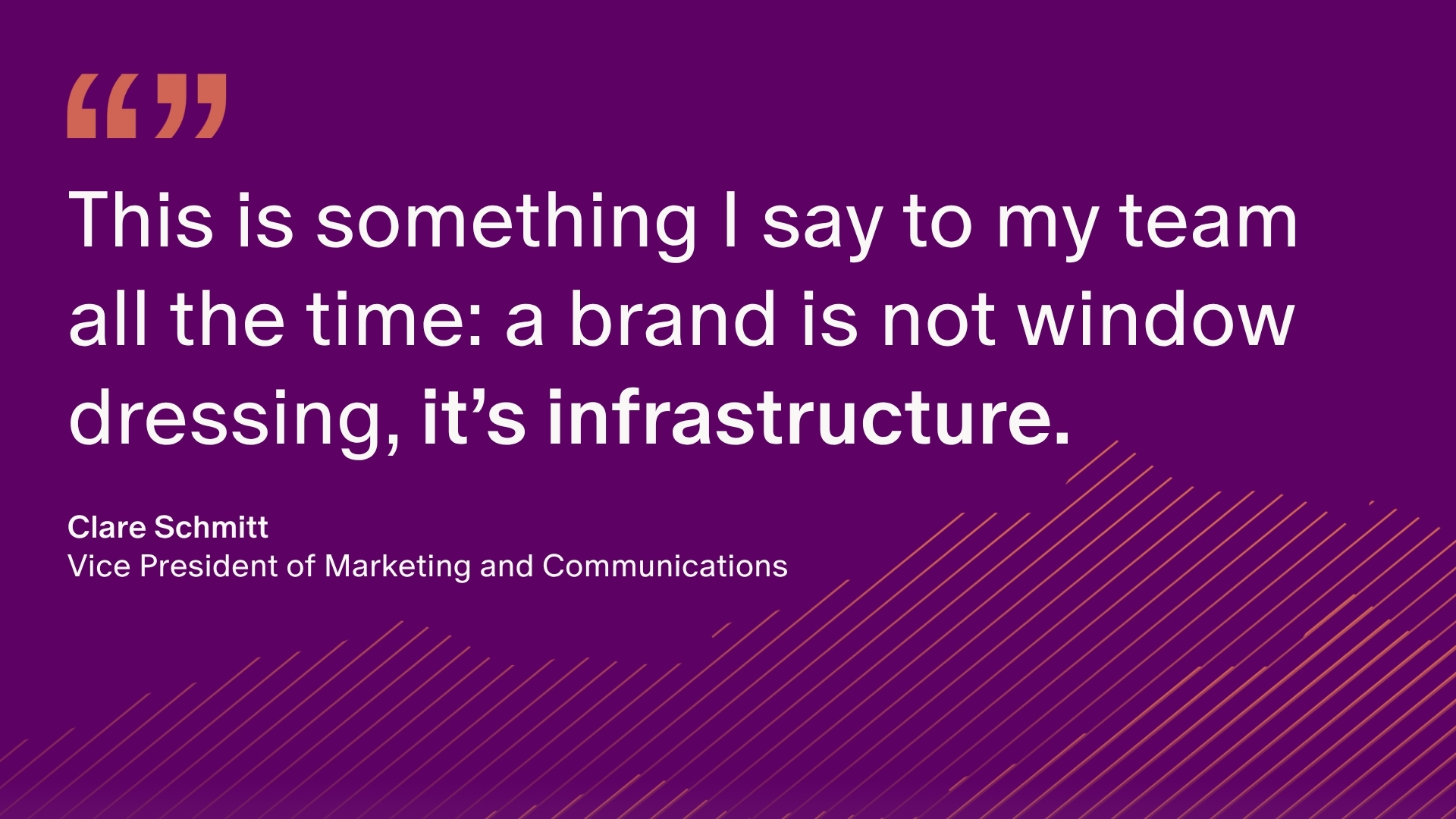
This is something I say to my team all the time: a brand is not window dressing, it’s infrastructure.

Quote from Clare Schmitt, VP of Marketing and Communications reading "This is something I say to my team all the time: a brand is not window dressing, it’s infrastructure."

A good brand is the thing that lets every part of the business answer, “What do we do, for whom, and why does it matter right now?”

It’s also what makes growth less chaotic. When you have a clear, well-anchored brand, you can launch new products, open new verticals, or add services without rewriting your story every time. It aligns sales, marketing, delivery, and even talent around one direction.

So we didn’t ask, “What’s trendy right now?” We asked, “What identity will scale with the company we’re becoming?”


Why our brand was ready for a refresh

There were three big drivers:

1.  The work expanded beyond the label 

Interpreting, translation, localization? Absolutely yes. That’s core, and for a lot of our buyers, that’s the front door. 

But we now also support:

  • tech-enabled delivery,
  • sector-specific and regulatory-aware solutions,
  • data and insight,
  • and the consultative work that drives seamless experiences across cultures.

So while language is still our core competency, it’s no longer the only thing we do.

2.  A name that once fit became a boundary 

The people we work with today — health systems, school districts, public agencies, global companies — have problems like:

  • “How do we make cross-cultural operations easier across 19 member districts?”
  • “How do we protect patient experience while we modernize language access?”
  • “How do we stop doing one-off translation tasks and move to something scalable?”

Those are reach problems. Systems problems. Consistency across languages and geographies problems.

“Language Solutions” tells part of that story, but not all of it.

3.  A new category demanded a new frame 

Around the same time, Mohamed started articulating the idea of a Strategic Globalization Organization (SGO) — a model for how enterprises can lead, operate, and adapt across cultures, in a world defined by interconnection and complexity. 

This meant, in addition to rebranding, we pioneered an entirely new category of company. We went from an LSP to an SGO.  

So yes, this was a rebrand—but it was also us saying: the category we’ve been working in no longer fully describes us.


Why “Piedmont” still fits — and “LS” didn’t

This part is personal. I met Mohamed first, and that’s why I joined the company.

He told me the story of how the company was founded in Virginia, in the Piedmont region, and then mentioned that Somalia (where his family is from) was an Italian colony until the 1960s. So you have this really specific cross-cultural thread: a founder with East African roots, an Italian linguistic influence in his background, and a company born in Virginia. All of that is about language, movement, and place. I love a good origin story, and what a story it was. 

Piedmont” anchors us to where we started. “Global” reflects where we operate now. 

That blend — local roots, global work — is also our clients’ reality. They’re serving people across languages and geographies and need a partner fluent in all of it. The name needed to reflect that reality more than it needed to list services.

And yes, we hired a naming agency, did the exploration, ran the process… and came right back home. We already had the right name. We just needed to remove the limiter.

Inside one of those early conversations, Mohamed literally picked up a marker and said, “What we’re doing now is slashing the LS,” and he slashed the LS on his office door. We took what people knew — PGLS — and removed the part that boxed us into “language services.” Not abandoning it, but widening it. That’s precisely what we had started doing for our customers, too: taking “this is translation” and opening it up to “this is how you operate globally.”


Endless Reach: our promise in practice

Every brand needs a backbone idea. Ours is “Endless Reach.”

We chose it because it speaks to both sides of the relationship:

  • it reminds us how far we’re willing to go for our clients, and
    it shows clients how far they can go with us when language and culture stop being barriers.

It also quietly nods to what many of our customers are trying to do — expand services, products, and impact across cultures and geographies without sacrificing quality. 

And it shows up everywhere in our work.

When a health system needs to reach a patient far earlier in the journey — in the parking lot, in the portal, in the intake process — our teams design solutions that make every step understandable and accessible.

When a public agency is navigating 19 member districts with inconsistent workflows, we build the governance, technology integrations, and cultural fluency that allow information to travel further, faster, and more reliably.

When an enterprise is entering new markets, our blend of intelligence, human expertise, and custom solutions removes the bottlenecks that typically slow expansion — helping them connect with more people, in more places, with more precision.

You won’t see “Endless Reach” shouted on every page, but you’ll feel it in the way our products scale, the way our teams embed, and the way our solutions make global operations easier, smarter, and more human.


Rebranding the company while defining the category

Here’s the part that made this project a little more complicated (and a lot more interesting): we were doing two things at once.

Track 1: The essential elements of the rebrand

  • What’s our logo and lockup?
  • What’s our palette?
  • What does our site need to say on day one?
  • How do we tell the story of Piedmont (the climb, the structure, the system)?

Track 2: The category-design workstream

  • What is a Strategic Globalization Organization?
  • How is it different from an LSP?
  • What capabilities have we actually built horizontally and vertically that justify that language?
  • And how do we keep talking to today’s LSP buyer (the person who wants to know we can staff interpreters and integrate with Epic) without losing the higher-level story?

Our company was rebranding. At the same time, Mohamed was defining what a Strategic Globalization Organization is. We needed a brand that could hold both: the business we run today and the way we want the market to think about us tomorrow.

That’s why I keep saying: this wasn’t just a change in how we looked. We were making sure the brand could hold both the business we run today and the way we want the market to think about us tomorrow.

We didn’t abandon LSP buyers; we still talk about minutes, integrations, and compliance. We just stopped letting that be the ceiling.

Here’s how we now describe what we do, externally:

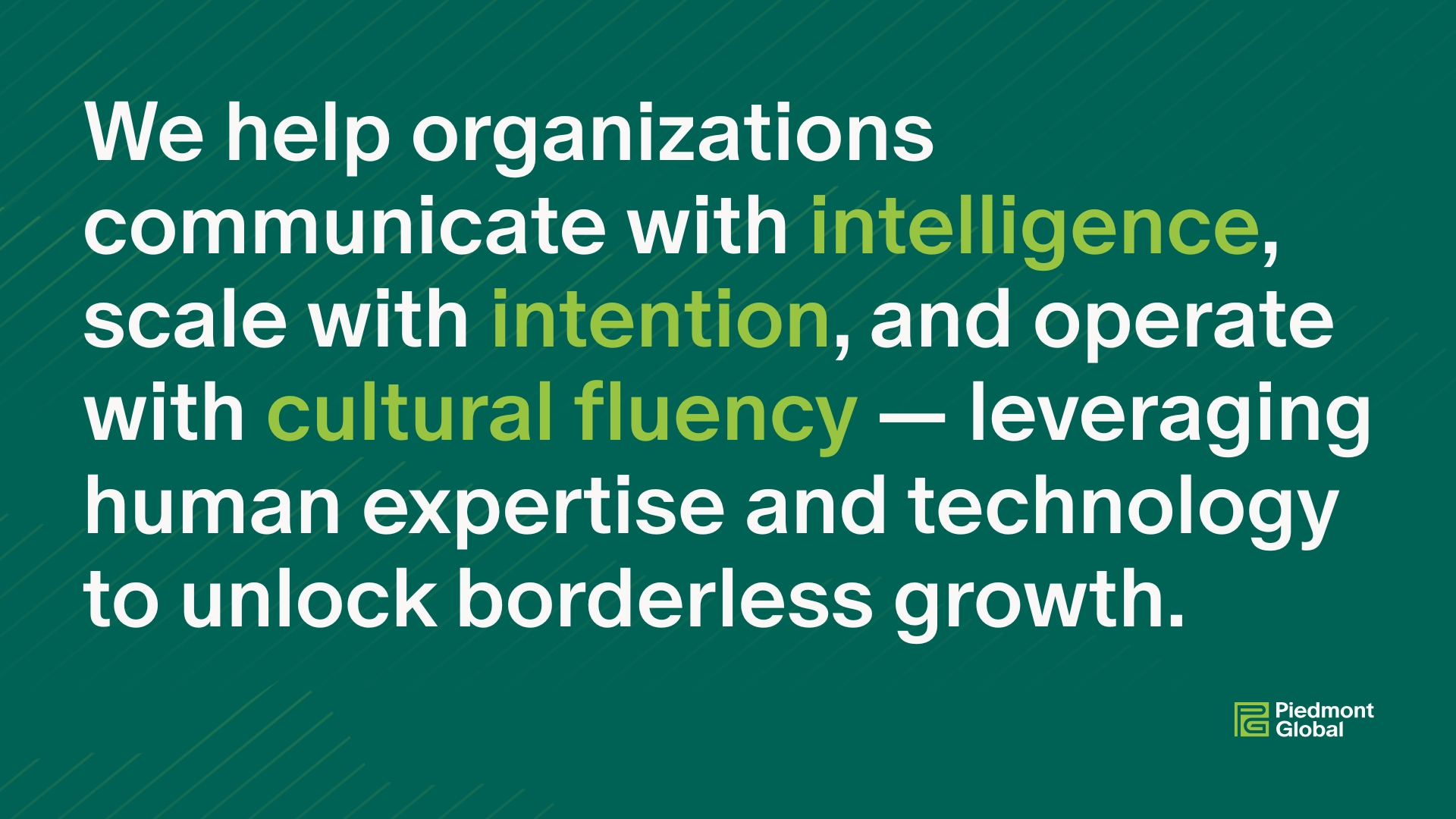
We help organizations communicate with intelligence, scale with intention, and operate with cultural fluency — leveraging human expertise and technology to unlock borderless growth.

Quote card reading "We help organizations communicate with intelligence, scale with intention, and operate with cultural fluency — leveraging human expertise and technology to unlock borderless growth."

That’s Strategic Globalization. And that’s what Piedmont Global is built to do.


The operating principles behind the brand system

We didn’t want this to feel like a startup rebrand that’s all color and no depth.

The three attributes we kept coming back to were:

  • Collaborative — because so much of our work is embedded. We sit inside implementation teams, school districts, and health systems to help them drive adoption. A vendor can’t do that; a partner can.
  • Mature — not old or rigid, but experienced. Our buyers need to know we’ve done this in high-stakes, highly regulated environments. We know the compliance piece. We’re not guessing.
  • Systematic — because Strategic Globalization isn’t a poster, it’s infrastructure. If you want to score high on a Cross-Cultural Index, you need repeatability, governance, and measurement.

Those three words — collaborative, mature, systematic — shaped both the voice and the visuals. We deliberately did not pick “disruptive,” “innovative,” and all the usual suspects, because what our clients need most from us is confidence and clarity.


A visual identity shaped by place, purpose, and progression

1. We started with the origin
“Piedmont” literally means “foothill.” We liked that as a metaphor — a strong, grounded place from which you begin a climb. The logomark reflects that: it’s a monogram with embedded pathways that subtly show strategic routes upward, outward, and forward.

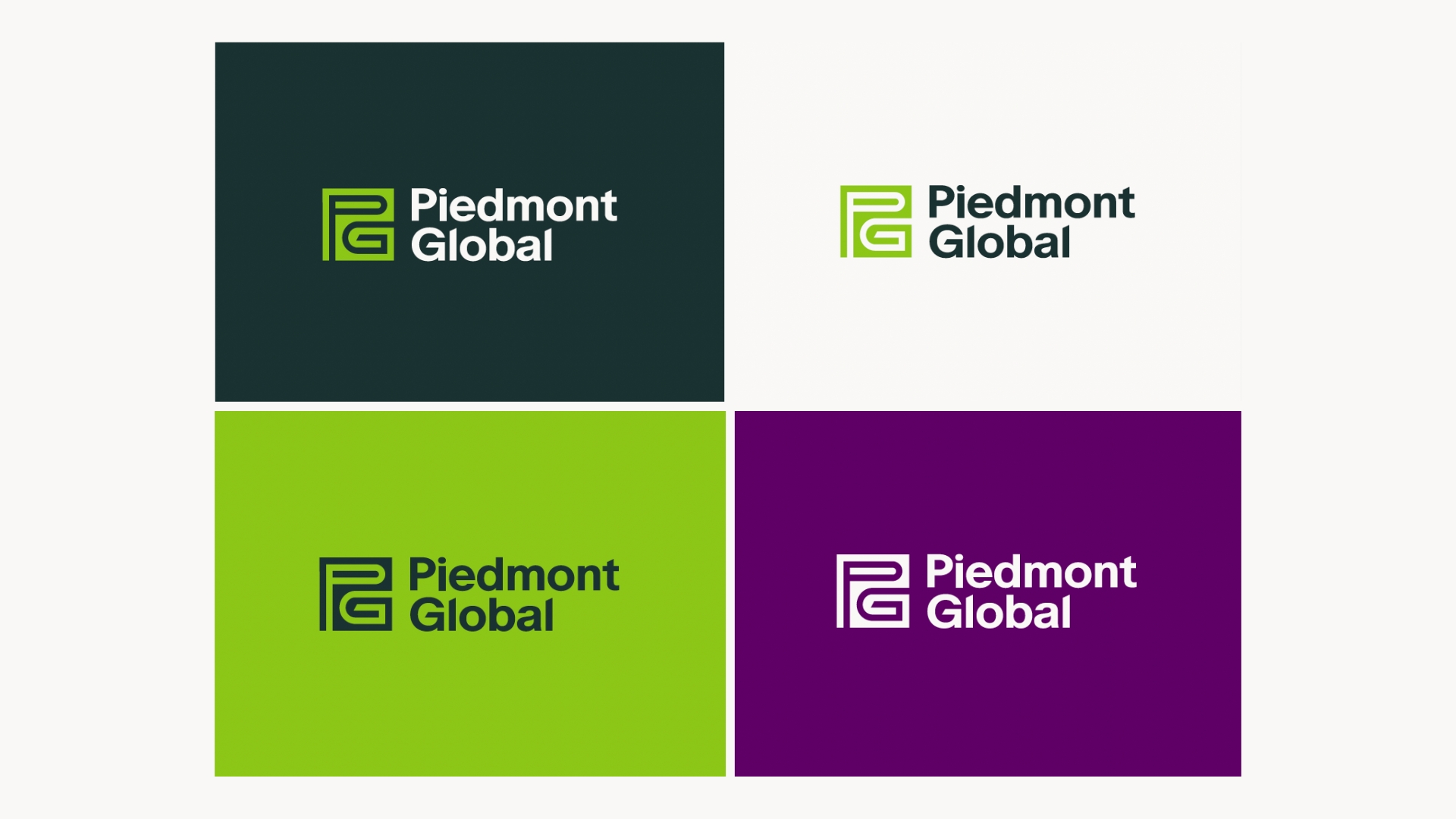
Piedmont Global logo branding

2. We chose a palette that speaks to growth
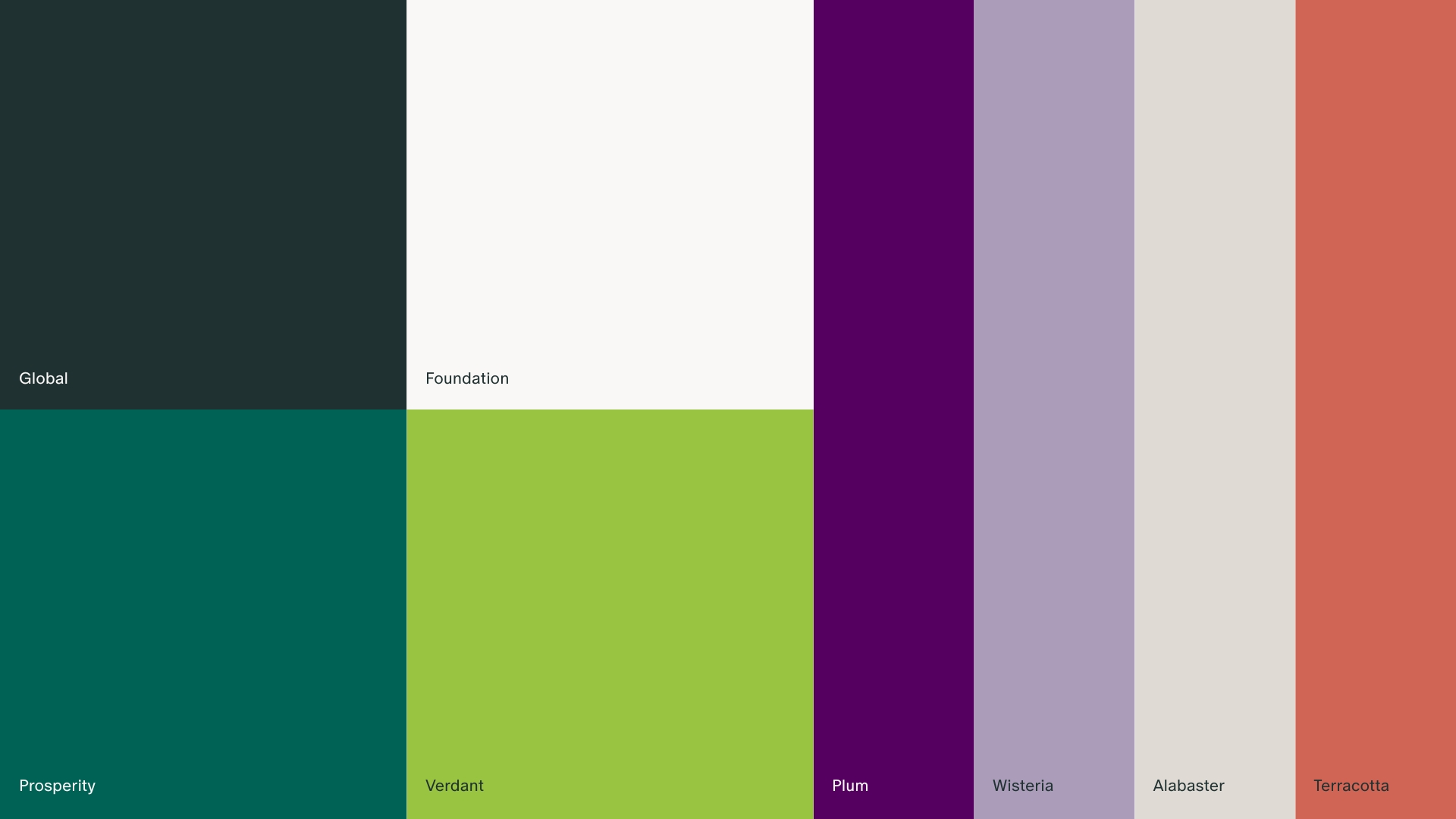
If you look at the names — Global, Verdant, Prosperity, Foundation — it’s all expansion language. It’s meant to feel global, modern, and still warm/human, not sterile.

Piedmont Global color palette

3. We incorporated the mountainscape and progression graphics
That was intentional. We guide clients through a strategic climb — from “we translate” to “we operate cross-culturally.” The visuals needed to narrate that.

Piedmont Global Mountainscapes

4. We broke away from typical consulting visuals
We could have done the safe navy-and-gray consultant look. Instead, we embraced the bold, entrepreneurial spirit that actually built Piedmont in the first place — the one that came from Mohamed’s vision.

Piedmont Global visual identity

The result is a system that’s:

  • ownable
  • extensible to products/verticals
  • and recognizable as us, whether it’s on social, in a deck, or on a product screen.


A rebrand built the way we work

We did this the way we do most things — across time zones, with a distributed team, and with partners who were willing to get in the weeds with us.

We worked with Villain Branding and Focus Lab as embedded partners. We weren’t looking for a one-and-done handoff; we needed people who could help us translate a pretty ambitious internal vision into something clear, ownable, and scalable.

We hold our partners to the same standard we hold ourselves to. We want embedded problem-solvers in the trenches with us. This matters because part of our brand promise to clients is, “we’ll be in it with you.” So the rebrand itself had to be run that way:

  • We spent 28 weeks in research, stakeholder interviews, and creative development
  • We reviewed more than 100 internal and external materials
  • And we left room for who we’re becoming, not just who we are right now

That mirrors the way we work with our own clients, so it felt right that the rebrand itself was run that way.


What’s different now

If you’re encountering Piedmont Global for the first time, here’s what should stand out:

  • A bigger name – Piedmont Global. Not just languages. Global — cross-cultural operations, strategy, and access.
  • A visual system built around movement and progression – foothills, climb, pathways, building blocks, because we’re helping organizations move from where they are to where they need to be.
  • A more direct voice – less corporate filler, more “here’s the friction we saw, here’s what we built, here’s how it helps you.”
  • A founder story that connects us – because Mohamed’s story is inspiring, and it’s why many of us joined this company.
  • A place to watch – we’ll be talking more about the Cross-Cultural Index (first edition coming next year!), about how to assess your organization’s readiness, and about how Strategic Globalization shows up differently in healthcare vs. education vs. the public sector.


What this signals to the market

If you work with us now — or want to — here’s what the rebrand should tell you:

  • We’re not leaving language behind. We’re elevating it into cultural fluency as a business capability.
  • We can help you close the gap between intent and impact. Not just “say it in another language,” but “make sure the right people receive it, understand it, and can act on it.”
  • We’re building for scale. The brand was designed to support products, data services, advisory, and what’s coming next.
  • We’re serious about the category. Strategic Globalization isn’t a marketing phrase. It’s the way we’re organizing our work and our partnerships.

What the transformation meant to the people behind it

I can talk about strategy, category, and visual systems all day, but the part that convinced me we got this right was watching the team react to it. I love hearing what it unlocked for people on my team:

  1. It pulled people out of silos

“The rebrand gave us a chance to work more broadly across the company, break down silos, and rally around the same goal. That sense of teamwork and alignment was really inspiring.”

That was the throughline in a lot of the notes I got: this felt bigger than marketing. People in ops, client services, and creative all got to see how their piece fits into “Strategic Globalization.” That’s what a good brand does — it gives everyone the same north star.

  1. It made the work feel bigger than ‘services’

One person put it perfectly:

“When we stopped listing ‘services’ and started mapping our core capabilities — cultural fluency, strategic insight, and custom solutions — and how they embed inside a client’s world… that was a powerful shift.”

That’s exactly what we were trying to do. Move the story from outputs to outcomes. From “we translate” to “we help you run cross-cultural operations.” For the content folks, that unlocked a ton — suddenly you can tell clearer, more impactful stories.

  1. It signaled growth and impact, not just ‘new look’

“To me, this brand represents growth and greater impact. With more capabilities, we can serve more people, solve bigger challenges, and make cross-cultural operations easier… While the new look is really cool, it’s about expanding who we are and what we can deliver.”

That’s the nuance I always want to protect. Yes, the system is beautiful. But if it doesn’t help us reach more people and solve harder problems, it’s just decoration. The team saw that, immediately.

  1. It was a courageous moment

Another teammate said:

“Focus, and courage. We’re boldly naming what we actually do — Strategic Globalization — and giving leaders a model that scales. We shaped a brand built to lead, not to chase trends.”

That’s exactly right. We could have stayed safely in “LSP,” but we didn’t. We named the thing we’re actually building.

  1. There were real ‘aha’ moments

My favorites:

“The day we did the brand voice workshop — it instantly made writing copy easier, and the output felt more confident and human.” 


“Finalizing the social templates — I literally sighed in relief because the graphics finally matched the energy of the brand we’ve been tirelessly building.”


“It took reading the Strategic Globalization content for the webpage for it to really click. Knowing it’s a living definition was the aha. It’s not one thing — it evolves, and we evolve with it.”

  1. And yes, there were fun, very human moments

“Definitely the video shoot at HQ. It was energizing to be part of the creative process in person… we’re often heads down in our own departments, so it was a powerful reminder of how much potential we have when we come together.”

  1. Becoming a butterfly 

One teammate said the new brand felt like “we’ve been a caterpillar and we’re becoming the butterfly we were always meant to be.” Is it a little whimsical? Sure. Is it accurate? Also yes. There was nothing wrong with where we came from, but it wasn’t our end state. Piedmont Global is the version that can fly.


Building a brand that grows ahead of us

I’ll end with this: rebrands should have a bit of stretch in them.

We were very intentional about closing the gap between who we are and who we say we are — but we also left space for who we’re becoming. That’s what healthy brands do. They name the next chapter in a way that allows the organization to grow into it.

Piedmont Global is that next chapter for us.

If you’re a health system trying to reach every patient, a district serving multilingual families, or an enterprise trying to operate across borders without breaking the experience, this is the work we’re doing now.

And now our brand says so.

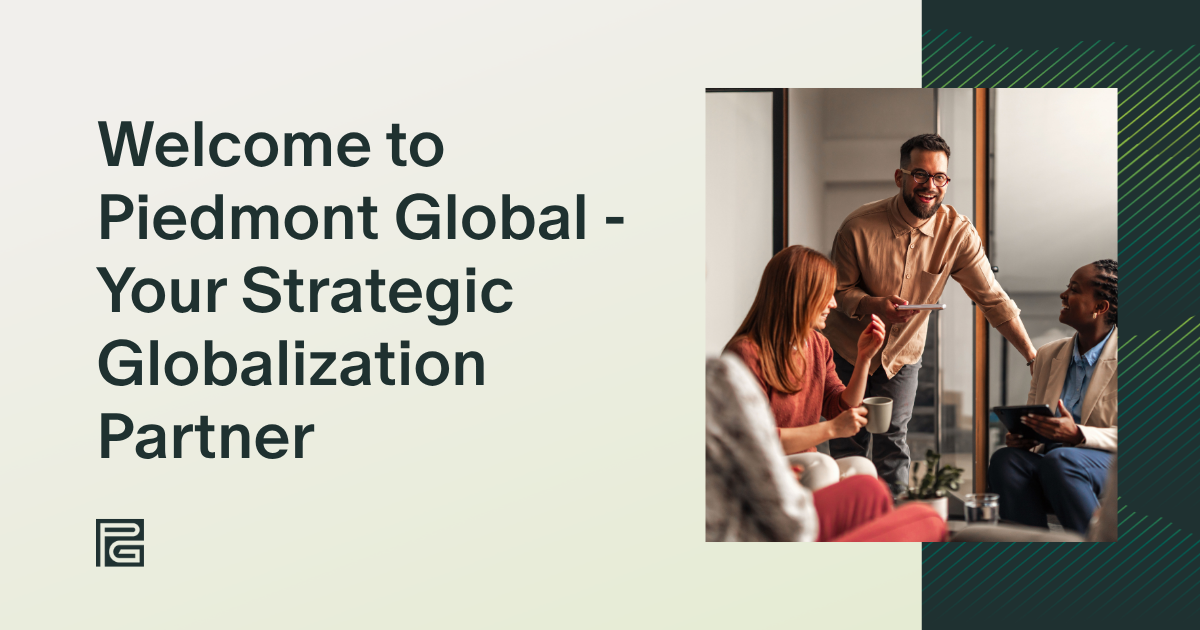
Welcome to Piedmont Global | Your Strategic Globalization Partner


The world has never spoken more — yet it’s never been understood less. That’s because most people still think globalization is just translation.

But real connection is something else entirely.

We began as Piedmont Translations — born from the belief that language should never limit opportunity. From Somalia to Virginia, from one Piedmont to another, our name honored elevation — and a vision that kept climbing.

But the world changed. The industry was dismissed. Disrupted. Declared obsolete.

We didn’t retreat. We engaged, expanded and evolved.


We built Piedmont Global — adding new solutions, new expertise, and a new way forward: Strategic Globalization.

A model that integrates culture, strategy, people, and technology into something greater than the sum of its parts. We stopped being the afterthought. We became the foundation. Not just translating words — but shaping how organizations connect, grow, and lead. Because growth isn’t one-size-fits-all. It’s custom-built — with the right solutions, at the right time.

We started on the first floor. Today, we take you higher. Because when barriers fall, opportunities rise.

From translation to transformation.

From behind the scenes to behind your success.

From our beginnings…to what comes next.


Welcome to Piedmont Global. Your Strategic Globalization partner.

From translation to transformation — start your Strategic Globalization journey today.

→ Partner with Piedmont Global

The Making of an SGO: Building the Next Era of Cross-Cultural Operations

Originally presented at CSA Research 2025


The moment behind the moment

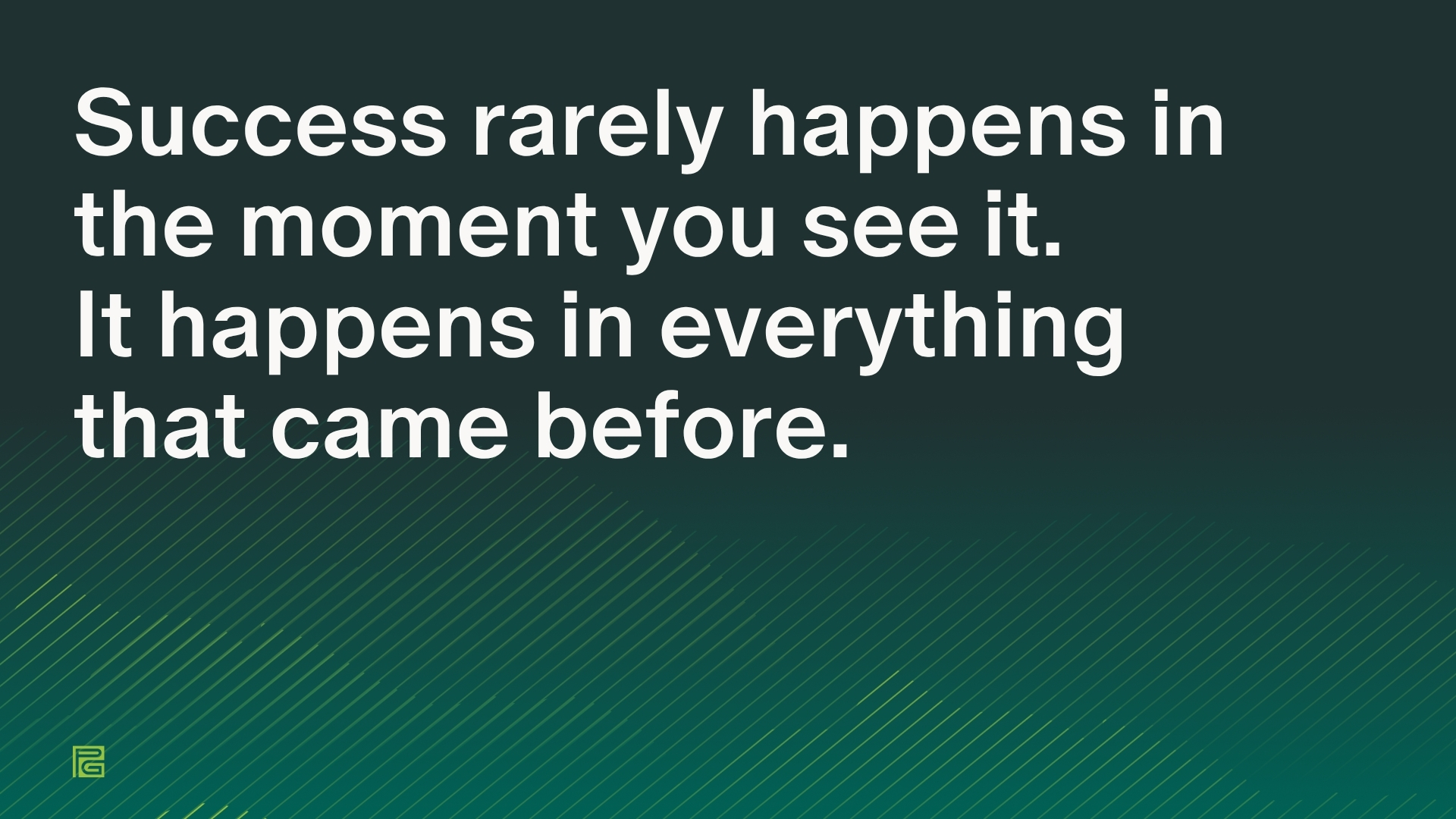
Success rarely happens in the moment you see it.
It happens in everything that came before. When you see a company rebrand, a new category announcement, or a market breakthrough, it looks like a single defining moment. But behind that moment are years of invisible work — reflection, risk, reinvention, and resolve.

At Piedmont Global, that work began with a single realization: we could no longer grow by doing more of the same.

The industry we inherited was a $50 billion marketplace of language and content providers — all chasing the same contracts, competing on speed and price. To lead beyond that ceiling, we had to redefine what business we were in.

We stopped asking, “How fast can we deliver?” and started asking, “How far can this scale?”


Making of an SGO - Building the Next Era of Cross Cultural Operations

From vendor to operator

That mindset shift expanded not just our capabilities, but the very market we serve.
When you operate as a Strategic Globalization Organization (SGO), you step beyond translation and content into adjacent, higher-value domains — consulting, accessibility, staffing, data, open-source intelligence, and operations.

The total addressable market doesn’t stop at $50 billion anymore. It’s north of a trillion.
That’s the difference between a vendor and an operator of global systems.

Strategic Globalization isn’t about what you sell.
It’s about what you enable — growth, connection, and clarity across borders, languages, and cultures.


The forks in the road

Every founder faces a few critical decisions:

  • Stay a vendor or become a partner?
  • Compete on price or redefine value?
  • Chase logos or build proof?

We chose the harder path — to influence upstream strategy before fulfilling downstream needs.
To be a lighthouse, not a land grab.
To build proof before we asked for praise.

That conviction shaped our core belief: ecosystems over isolated nodes, judgment over automation, partnership over provision.
Our edge isn’t any single tool or service.
It’s how we assemble the right solution for every context — a system that learns, scales, and lasts.


Rebrand ≠ marketing. It’s infrastructure.

When we decided to rebrand as Piedmont Global, it wasn’t cosmetic — it was architectural.
We rebuilt how we think, hire, deliver, measure, and govern.

We didn’t rename the company.
We re-engineered it.

The transformation took nearly two years and started with a simple question: “What would it look like if our brand reflected the way our clients already experienced us — embedded, strategic, aligned?”

The answer was a new model: the Strategic Globalization Organization.


The SGO flywheel

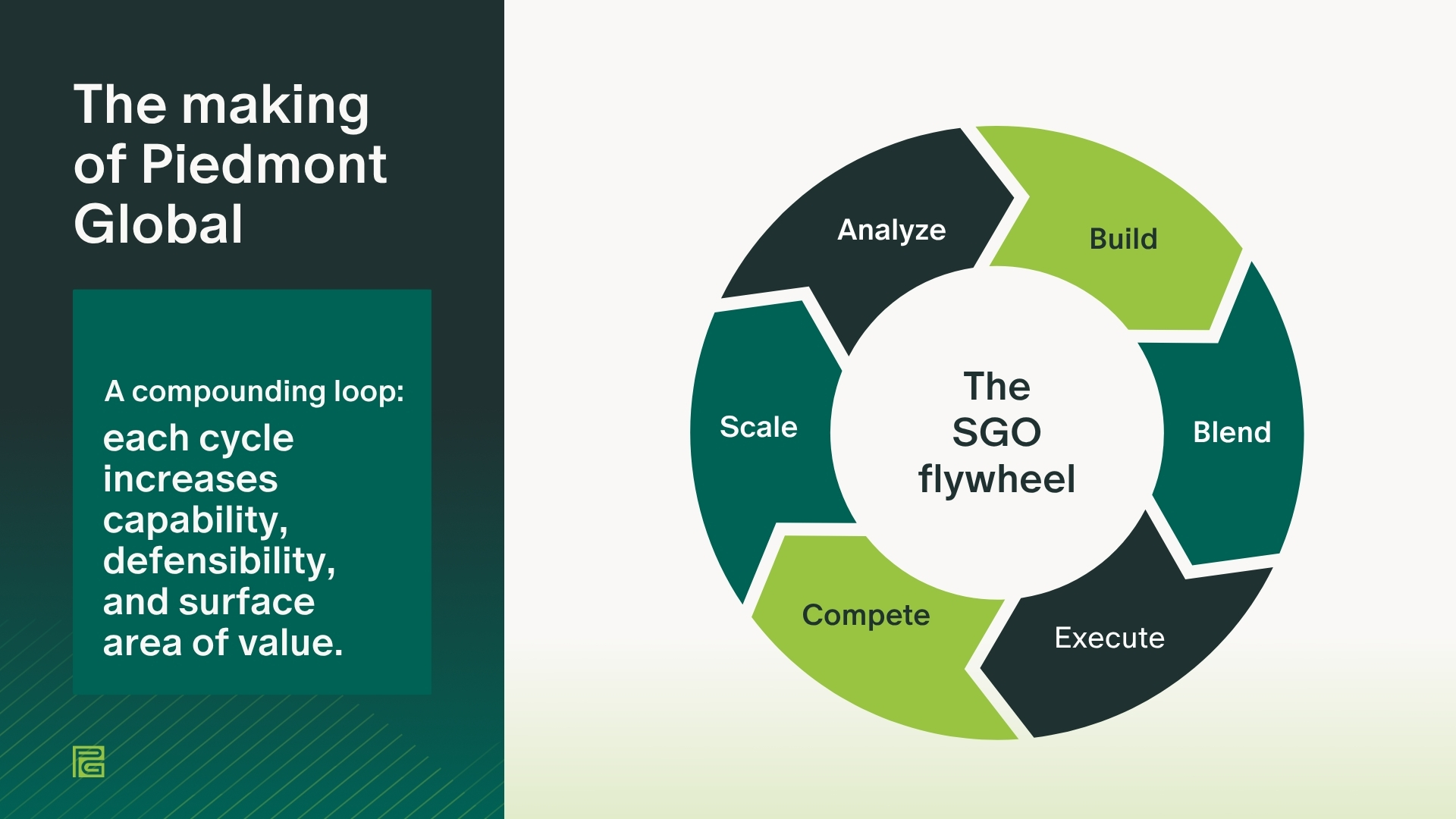
At the center of our operating model is a compounding loop — the SGO Flywheel:

Acquire → Build → Expand → Execute → Compete → Analyze → Repeat

Each cycle increases capability, defensibility, and the surface area of value. It’s how we keep climbing — iteration over perfection. This rhythm ensures that every investment strengthens the next, every lesson builds resilience, and every outcome sharpens the system. SGOs are not static; they are self-improving organisms.

Making of an SGO - Building the Next Era of Cross Cultural Operations_2

Risks and rewards

Redefining a category comes with trade-offs:

  • You’ll be misunderstood before you’re respected.
  • You’ll face resistance before alignment.
  • You’ll trade short-term comfort for long-term clarity.

That’s the tax on originality — and it’s worth paying. Because when you stay disciplined and let your lighthouse speak, the market eventually catches up. Durable growth follows durable conviction.


The SGO mindset

Becoming an SGO is as much a mindset as it is a model.

It requires:

  • Risk appetite to step where others haven’t
  • Independence to make hard calls
  • Curiosity to explore new disciplines
  • Resilience to climb again when it gets steep
  • Vision that outpaces fear
  • Structure that scales complexity
  • Courage to rewrite your own rules

As I often say, AI won’t kill our industry — complacency will. The future belongs to those who integrate across culture, data, and human judgment — the ones conducting the orchestra, not singing in the background.


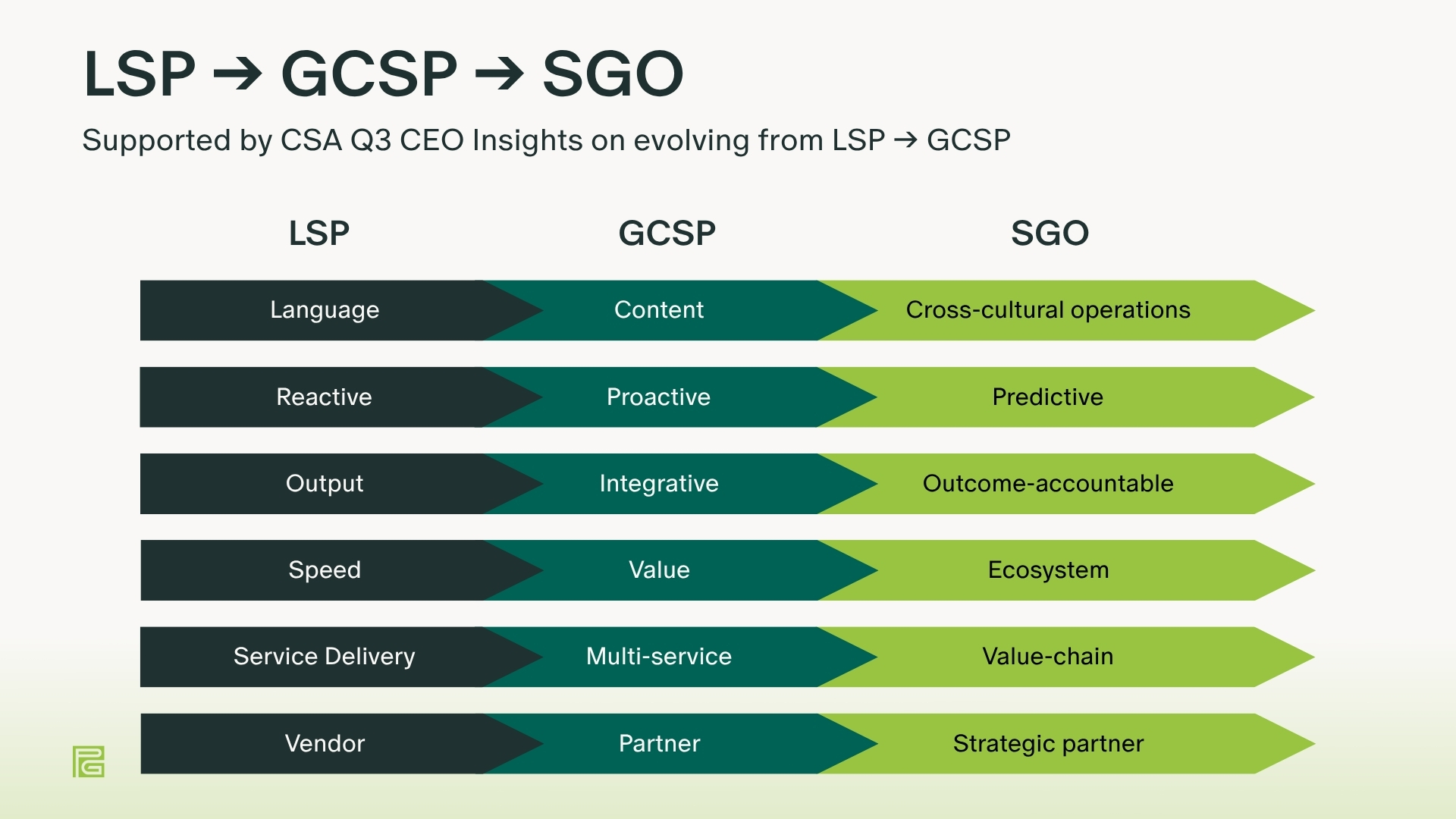
From LSP to SGO: the evolution of an industry

Strategic Globalization is the next logical evolution — from translating words to orchestrating systems that drive outcomes across borders. We don’t just help organizations speak globally. We help them operate globally.

Making of an SGO - Building the Next Era of Cross Cultural Operations_3

Proof before praise

When we began, there was no blueprint. No one was asking for an SGO. But conviction has to come before validation. We built the model before the market believed in it — because legacy is earned through measurable impact, not invoices. Leadership isn’t about waiting for recognition. It’s about proving what’s possible, then inviting others to climb with you.


The climb ahead

Piedmont means foothill — the place every climb begins. Strategic Globalization isn’t a destination; it’s a discipline. You climb, rest, build, and climb again. That’s how SGOs — and new categories — are made.

Making of an SGO - Building the Next Era of Cross Cultural Operations graphic


How to start building your own SGO

If you’re a leader wondering how to begin, start here:

  1. Start with purpose — not product. Know why you exist before deciding what you sell.
  2. Move upstream. Get closer to client strategy, not just service delivery.
  3. Design ecosystems — not transactions. Solve for the entire value chain.
  4. Build for resilience. Systems, people, and values that flex and endure.
  5. Keep climbing. Reinvention isn’t a campaign; it’s a habit.

The future belongs to those who create it. And the next era of cross-cultural operations is already underway.


About Piedmont Global

Piedmont Global is the world’s first Strategic Globalization Organization (SGO) — helping enterprises communicate with intelligence, scale with intention, and operate with cultural fluency. We integrate human expertise, technology, and strategic insight to make cross-cultural operations smarter, easier, and more human.

Learn more about the SGO Model and how we’re shaping the future of global operations.

Strategic Globalization: A Global Operations Framework for Smarter Enterprise Growth

Globalization is not new—but operating on a global scale is being radically transformed. The world’s top organizations are no longer mere seekers of new markets. They’re operating in a world that is marked by complexity: dispersed teams, multi-layer regulatory structures, new technologies, and customers who demand customization on a big scale.

For decades, “going global” used to mean adding other languages, locations, and suppliers. But success these days depends on something greater: instant connectivity of people, systems, and strategies across borders.

At Piedmont Global, we call this evolution Strategic Globalization—a framework that makes communication, compliance, and culture a single operating model. It’s how forward-thinking organizations are attaining scalability without complexity, resilience without brittleness, and expansion that becomes natural rather than piecemeal.


The new reality of global operations

Global expansion used to imply physical presences—new offices, vendors, and home-grown hires. It is now digital, distributed, and data-centric. But enterprise systems for the most part were built for a prior era of globalization—linear, siloed, and sluggish.

This gap causes problems:

  • Breakdowns in communication within international teams and local markets
  • Regulatory risk as content and data travel across borders
  • Cultural mismatch that erodes customer confidence

Companies aren’t able to deal with these issues simply by using translators or local project managers. They require a method of operation that clarifies rather than confuses.

Strategic Globalization meets that demand. It combines language, technology, and culture into a single smart system—making growth a matter of coordination.


From localization to Strategic Globalization

Localization once solved a tactical problem: how to make content clear in new markets. But as businesses changed, so did people’s expectations. Today, speed, compliance, and customer experience are as critical as getting the translation right.

That’s where traditional localization falls short—it reacts after the fact. Strategic Globalization flips the equation. It ensures that language, access, as well as intelligence are factored in at the beginning of every workflow.

Rather than bringing in outside vendors to localize content after it’s developed, Strategic Globalization integrates multilingual planning upfront. The end result? Each and every project—training module, compliance document, customer communication—is ready for its global audience when it goes live.


The four pillars of Strategic Globalization

Strategic Globalization is built on four connected pillars that transform complexity into capability:

1. Cultural Fluency

Beyond proficiency in languages, cultural fluency allows organizations to communicate authentically across communities and contexts. It’s the way international brands make sure communication doesn’t come across as unfamiliar. Cultural fluency:

  • Aligns messaging with local cultures and expectations
  • Decreases the risk of cultural missteps
  • Builds trust and credibility across diverse markets

2. Custom Solutions

True scalability requires systems that support strategy—not vice versa. Piedmont Global’s approach focuses on tech-enabled, not tech-dependent solutions that integrate seamlessly with existing enterprise platforms.

From AI-driven translation management to automated accessibility audits, technology becomes an enabler of connection, not a barrier to it.

3. Strategic Insight

Global operations generate a lot of data. The challenge isn’t access—it’s interpretation.

Strategic Globalization employs language abilities and data analysis to translate information into insights so leaders can make informed decisions with context and clarity.

4. Embedded Partnership

Unlike transactional vendors, embedded partners evolve with you. They align with your mission, adapt to your systems, and expand capabilities as you grow.

This pillar is where our brand’s strengths come alive: structure, stability, and trusted leadership delivered through collaboration.

Together, these four pillars form an architecture where communication strengthens every system, shapes every decision, and sustains every outcome.


Why it matters now

Globalization used to be a choice—now it’s a necessity. But scaling without structure creates vulnerability:

  • Language is rarely ahead of strategy
  • Accessibility is viewed as compliance rather than connection
  • Technology choices disregard important human context

Strategic Globalization fixes these tensions through preparedness in all aspects of international business operations, and in a world where markets shift overnight, clarity becomes a competitive advantage.


What Strategic Globalization looks like in action

Imagine a multinational healthcare company serving patients in multiple languages and regulatory regions. Each market had its own translators, its own training documentation, and its own compliance tools. Inadvertently, despite good intentions, there is duplication of efforts as well as regulatory risk.

In one modeled scenario, organizations applying Piedmont Global’s Strategic Globalization framework achieved:

  • Centralized and streamlined language and accessibility operations
  • Compliance content pipelines were automated for accuracy
  • Cultural consulting informed local patient outreach campaigns

Within six months, the organization is forecasted to reduce turnaround time by 68%, improve compliance accuracy to 99%, and achieve measurable increases in patient trust scores.

The takeaway: Strategic Globalization simplifies global operations and amplifies their impact.

In other industries:

  • Entire school districts engage and serve multilingual learners and their families
  • Government agencies strengthen public services and emergency response systems
  • Manufacturers adopt it to align safety documentation across borders

Wherever communication meets complexity, Strategic Globalization makes success inevitable


The future of fluent global operations

As artificial intelligence speeds up global communication, human knowledge is still what makes a difference. AI can understand language, but only humans can understand the nuances of culture, context, and the benefits of considering them from the start.

In the next decade, Strategic Globalization will evolve into the standard operating system for global enterprise leadership.

You can expect to see:

  • Language infrastructure managed like IT infrastructure
  • Cultural fluency metrics appearing on executive dashboards
  • Partnership ecosystems replacing vendor lists

Enterprises that adapt and adopt this mindset will scale faster—and smarter. They’ll be the organizations and teams able to operate confidently in any market, language, or moment.

Globalization once measured success by how far an organization could go. Strategic Globalization redefines success by how well it connects.

When communication becomes infrastructure, when culture becomes capability, and when partners become embedded extensions of your team, growth no longer feels chaotic—it feels inevitable.

That’s the power of Strategic Globalization: a system built not just to expand, but to lead.


Ready to transform complexity into clarity?

→ Talk to our team about building your Strategic Globalization roadmap.

www.piedmontglobal.com/contact

Piedmont Global Launches Sept 30

The Countdown Is On.

For years, we’ve helped organizations connect more effectively, operate more efficiently, and grow more confidently.

Now, we’re stepping into what’s next.

On September 30, PGLS becomes Piedmont Global — your partner in Strategic Globalization.

This isn’t just a name change. It’s a bold shift that reflects who we’ve become, how we work, and what our partners need in a more complex, globalized world.


Why We’re Changing from PGLS to Piedmont Global

Let’s face it: today’s growth challenges don’t stop at language. And neither do we.

Your teams are navigating shifting regulations, scaling to new regions, managing multicultural workforces, and launching services across populations and systems.

Translation alone isn’t enough.

That’s why we’ve evolved into something bigger—and more aligned to what the future demands.

Piedmont Global exists to help mission-driven organizations:

  • Navigate complexity with cultural fluency
  • Scale intelligently with integrated strategy
  • Grow sustainably with custom technology and human expertise


What You Can Expect

Our work has always been grounded in purpose:

To make cross-cultural operations easier, smarter, and more human.

That won’t change.

But as Piedmont Global, we’ll be showing up in a more powerful, more intentional way—with expanded capabilities, an evolved identity, and a clearer promise:

We help you lead—globally, fluently, and confidently.

We’ll still be the partner you trust. But now, we’ll help you go further — with deeper insight, broader capabilities, and a stronger path to global success.

What’s Coming September 30

On launch day, you’ll see:

  • A new visual identity: Bold, modern, and built to reflect our global mindset
  • A fully reimagined website experience: Streamlined, strategic, and easier to navigate
  • A new way of framing our work: Clearer outcomes, smarter services, and a category-defining model for Strategic Globalization

You’ll also gain access to:

  • Our comprehensive Strategic Globalization Model
  • Resources, guides, and frameworks to operationalize growth across cultures
  • Thought leadership to help your teams build capability—not just check boxes

And more to come.

Let’s Go Further, Together

This rebrand is an evolution—one that unlocks more impact, more insight, and more possibility for the people and organizations we serve.

So stay tuned.

The future is global.

And we’re just getting started.

📅 Launch Date: September 30, 2025

🧭 Follow along for what’s next.

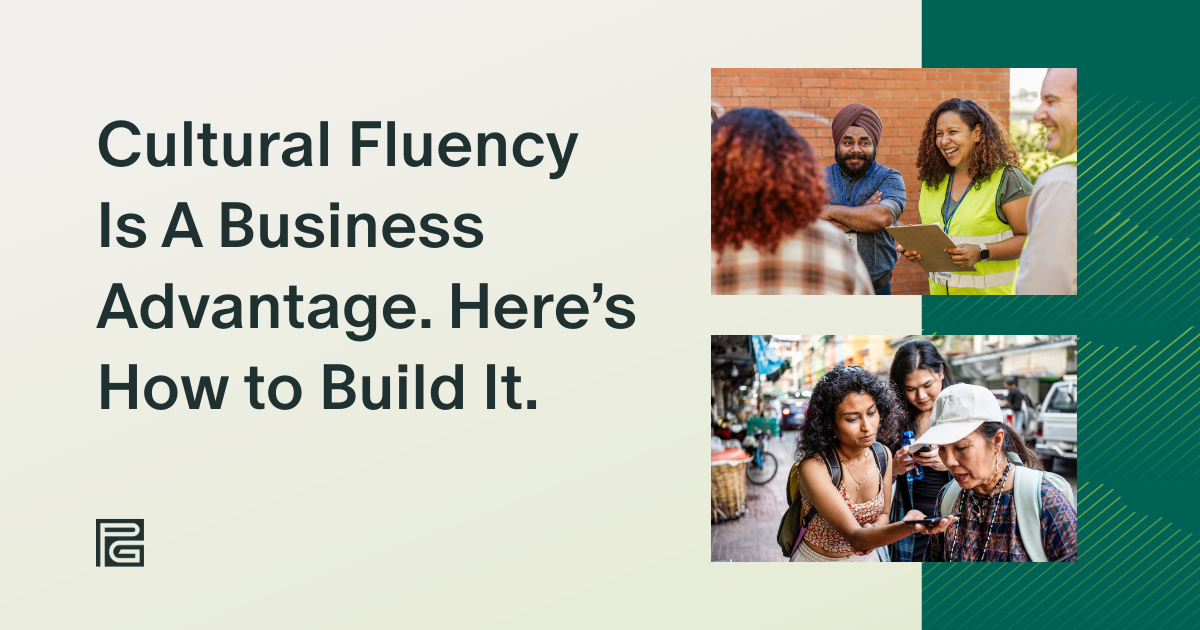
Cultural Fluency Is A Business Advantage. Here’s How to Build It.

In a world where goods move fast, people move faster, and expectations move fastest, cultural fluency is no longer a “nice to have.” It’s a competitive edge.Regardless of whether you’re working with diverse populations locally or expanding globally, your capacity to work with cultural fluency has a direct influence on business results. It influences how your enterprise is viewed, how your message is understood, and how successfully your mission is executed.So, what exactly is cultural fluency? And how do you acquire it?
Let’s break it down.

What is Cultural Fluency?

Cultural fluency is being able to comprehend, communicate, and function effectively across cultures.

That includes:

  • Language skills, verbal and written
  • Cultural context, values, norms, and sensitivities
  • Systemic awareness, such as legal systems, organizational policies, and community standards

At Piedmont Global, we see cultural fluency as something more than just communication. It’s alignment. Intention. It’s shaping your systems and strategies with cultural insight baked in, so nothing is lost in translation and every interaction earns trust.

Why Cultural Fluency Drives Business Results

Here’s the truth: the more global and diverse your audiences are, the less one-size-fits-all solutions will suffice. Organizations that value cultural fluency acquire three significant benefits:

      1. Fewer Mistakes
        Culturally literate teams anticipate risks before they arise. They avoid messaging that is off-putting. They prevent compliance gaps that happen when context is ignored. Whether in a product launch or government service rollout, cultural insight minimizes friction and misalignment.
      2. Quicker Market Entry
        When you’re familiar with a market’s language, systems, and expectations, you can act more confidently—and faster. Cultural fluency speeds up localization, content adaptation, team onboarding, and public engagement.
      3. Deeper Trust
        Whether you’re a doctor communicating with a patient or a manufacturer collaborating with global suppliers, cultural fluency builds trust. It shows that you care about getting it right, and that you care about making people feel heard, seen, and understood.

How to Build Cultural Fluency: Three Necessary Lever

At Piedmont Global, we help organizations in developing cultural fluency through three intertwined components:

      1. Expert People
        Linguists. Strategists. Analysts. All collaborating with in-depth knowledge of local subtlety, policy ramifications, and real-world dynamics. Cultural fluency isn’t “speaking the language”—it’s knowing what’s most important in a particular context, and why.
      2. Smart Systems
        Bespoke technology stacks get cultural intelligence where you need it most—across platforms, workflows, and communications. Whether that’s an AI-powered training module or multilingual customer service flows, we enable you to scale understanding, not just services.
      3. Strategic Insight
        Market studies, compliance audits, audience analysis—we turn sophisticated data into strategic guidance so your operations aren’t just informed by culture, they’re built for it.

What Cultural Fluency Looks Like in Practice

Here’s a picture of what this looks like in the real world:

      • A health system introduces multilingual appointment reminders that are tailored to the cultural norms of patients, reducing no-shows and rescheduled appointments.
      • A federal agency reshapes its online content to mirror the life experiences and [translate:vernaculars of its Spanish-speaking members], establishing trust and boosting engagement.
      • A multinational manufacturer translates safety training videos into local languages, avoiding misunderstandings that previously led to expensive delays and hazards on the production floor.

In every instance, cultural fluency not only prevented an issue—it turned the situation into a source of performance, clarity, and growth.

Ready to Lead with Cultural Fluency?

Cultural fluency is a capability–and like any capability, it must grow with your business. The more embedded it is across your people, platforms, and processes, the more powerful and successful you become in a world that’s increasingly complex.

When you pair cultural fluency with strategic insight and custom tech, you unlock something even more powerful: Strategic Globalization. And that’s where we come in.

At Piedmont Global, we help businesses make a shift from translation to transformation by developing globalization strategies rooted in cultural intelligence.

Whether you are expanding into new markets or reimagining the way you appear in your existing ones, let us develop the systems and intelligence that enable you to lead—globally, fluently, and confidently.

The Invisible Work Behind Visible Impact: Why Outcomes Start Before the Moment They’re Measured

Success rarely happens at the moment you see it.

It happens in everything that came before.

The decision gets made in the room, but was shaped by the quality of context leading up to it. The patient recovers in the hospital, but healing begins with the feeling of being understood. The emergency is resolved, but the real work was in the systems, trust, and training that made the proper response possible.

That’s the kind of work I’ve always been drawn to: the work that lives behind the scenes but changes everything.

At Piedmont Global, we talk about this as “creating the conditions around the moment.” Because when you operate across cultures, across communities, or continents, the moment itself is only the surface. Beneath it are layers of preparation, design, intent, and alignment. And when those layers are strong, the outcomes tend to follow.


Real outcomes are shaped before the moment of action.

We see it every day with our clients. Whether you’re in healthcare, government, education, or any other industry, the pressures you face are real: demographic shifts, global volatility, evolving expectations, competing priorities. Businesses are navigating complex realities where precision and humanity coexist. These are not static systems. The organizations that succeed are those that’ve invested in more than just tools; they’ve invested in readiness.

And the most forward-looking leaders? They are already working upstream.

What does that look like in practice?

It’s not about translating words; it’s about designing systems that create understanding.

It’s not just about interpreting one call; it’s about ensuring every interaction is delivered with clarity and care.

It’s not about fixing problems in real time; it’s about reducing the need for triage in the first place.


In other words, it’s about making cross-cultural operations easier, smarter, and more human.

Too often, organizations support global operations reactively – issues are addressed as they arise, translation happens on the fly, and individuals are left to bridge cultural gaps in real time. But the real opportunity lies further upstream: in designing systems that anticipate complexity before it appears.

Upstream work matters because surface-level solutions can only go so far. When systems are built to be culturally fluent from the start, they reduce confusion, friction, and costly rework. This proactive approach turns global complexity into an operational advantage.

Central to this is Cultural Intelligence (CQ) – the capability to work effectively across cultures. It encompasses four core components: motivation, knowledge, strategy, and action. High-CQ organizations adapt communication, collaboration, and decision-making with intention and agility. The impact is measurable: greater innovation, stronger engagement, and higher customer satisfaction across regions.


This is where Strategic Globalization comes in.

It’s not just about expanding into new markets but embedding cultural intelligence into every layer of your operations. That can look like:

  • Building internal cultural intelligence hubs to share knowledge
  • Training global teams in culturally adaptive communication
  • Partnering with local consultants during go-to-market planning
  • Designing governance models that reflect regional norms


I’ve come to believe that ease is a signal of integrity. If you’ve done the work—the strategic alignment, the systems thinking, the people investment—the moment won’t feel like a scramble. It will feel like a natural next step.


That’s where we focus our energy at Piedmont Global.

Not by reacting to chaos, but by helping our clients build something durable and adaptive. We call it Strategic Globalization, not as jargon, but as a serious commitment to solving the messy, meaningful challenges of operating across cultures, whether expanding into new global markets or serving multicultural communities at home.

We help organizations create the conditions for connection, clarity, and impact. That might mean redesigning internal processes to reduce friction and improve response time. It may mean helping leadership teams align around a shared sense of purpose before embarking on a significant transformation. It could also mean training teams in cultural fluency so they can build trust across borders before the first meeting even starts.

None of this is visible at first glance. It rarely appears on a project timeline or dashboard. But it’s the invisible infrastructure behind every moment that matters – the ounce of prevention that spares you the pound of cure. Because when organizations misstep early, the costs multiply downstream. At best, things are “good enough.” At worst, they’re misaligned, delayed, or ineffective. We don’t wait for that.


At Piedmont Global, we create environments where understanding is built-in, not bolted on.

We help healthcare teams reduce clinical errors—not just by following protocols, but by understanding each patient’s cultural context.

We support governments in designing public services that feel intuitive and inclusive, because the systems behind them anticipate needs before they’re voiced.

And we empower school districts to move beyond reactive translation, building proactive systems where every student feels connected and supported from day one.

As one client recently shared after a successful expansion: “We transitioned to Piedmont Global after years with a previous vendor. They made the transition extremely easy and seamless. Before we even launched fully, they translated our website, app, webinars, and live sessions into 12+ languages, all tied to a major contract win. Throughout the process, they were responsive, adaptive, and highly strategic. They didn’t just execute, they anticipated what we’d need before we needed it.


So if you’re aiming for impact, don’t just ask what needs to happen in the moment. Ask what needs to happen before the moment.

Because how you prepare determines how you perform.

This requires a mindset shift:

  • From transactional to relational.
  • From words to systems.
  • From surface inclusion to structural belonging.


We’ve studied the gaps. We’ve felt the friction. We’ve built something better. Not louder, but deeper.

And we’ll keep building the invisible infrastructure, so that when your moment comes, everything around it is already working in your favor.

The Partnership Shift: How Strategic Globalization Transforms Operations

In a world where complexity is rising and connection is constant, cross-cultural leadership requires more than translation or technology. It takes a partner.

For years, organizations have outsourced interpretation, localization, or training to fill specific gaps. But in today’s operating environment, those gaps are wider, deeper and harder to navigate. That’s why forward-looking teams are seeking more than service providers and transactional vendors. They’re seeking strategic partners that can embed, evolve, and scale with them.

At Piedmont Global, we believe meaningful connection starts with strategic alignment—not transactional tasks. Here’s what it means to be a Strategic Globalization Partner—and why it matters now more than ever.


From Provider to Partner: What’s the Difference?

Service providers complete tasks. Strategic partners accelerate outcomes.

A vendor may translate a document. A partner will ask: What is this content meant to accomplish, and how do we design it to work across audiences, systems, and languages?

A vendor may provide an interpreter. A partner will ask: Who is in the room, what’s at stake in this conversation, and how do we ensure everyone is truly heard and understood—across languages and cultures?

Here’s how true strategic partners show up:

  • They understand your business strategy and align to your vision
  • They help you navigate cultural, regulatory, and operational complexity
  • They build systems and capabilities that adapt as you scale
  • They build long-term value, not just short-term project deliverables

The key difference is this: vendors solve isolated problems; partners design systems that reduce friction, increase impact, and grow with you. Vendors execute. Partners embed. And that difference is everything.


Why Strategic Globalization

Globalization isn’t new. But maintaining clarity, cohesion, and compliance across diverse audiences, markets and geographies is harder than ever.

So how we approach it must change.

Consider this:

  • Your workforce may span five continents, a dozen languages, and multiple time zones.
  • Your customer base expects personalized, seamless experiences—regardless of language, culture, or region.
  • Your compliance risks, operational systems, and community relationships are all influenced by cultural context.

And yet, many organizations still rely on siloed solutions to manage cross-cultural complexity.

That’s where Strategic Globalization comes in. It’s an integrated approach that blends:

  • Cultural Fluency: Deep knowledge and nuanced understanding of language, culture, and context
  • Custom Technology: Agile platforms and AI-enhanced workflows that adapt to your systems
  • Strategic Insight: Market intelligence, risk mitigation, and tailored growth planning

This integrated model fuels connected, scalable growth—ensuring organizations aren’t just seen and heard but trusted and understood across every audience and environment.


The Piedmont Global Approach

As a Strategic Globalization Partner, we don’t show up with a playbook and leave.

We integrate with your teams and systems. We align to your mission. We evolve with you.

Whether you’re:

  • A healthcare leader working to improve patient outcomes across language barriers,
  • A government agency trying to reach every resident with clarity,
  • Or an education provider building inclusive learning systems,

We help you build the capabilities—not just content—you need to lead across cultures.

It’s not about being everywhere. It’s about showing up the right way. With the right systems. The right context. And the right partner.


Why It Matters Now

Every organization is under pressure to do more—with fewer silos, fewer vendors, and fewer missteps. But good intentions don’t bridge cultural gaps. Systems do. Strategy does. So does alignment, agility, and cultural intelligence.

That’s what Strategic Globalization delivers.

And it’s why Piedmont Global exists: to make cross-cultural operations easier, smarter, and more human—for every team, every system, and every community.

Ready to Rethink What Partnership Can Look Like?

If your organization is evolving and growing, your support model should evolve with it. Strategic Globalization isn’t a trend. It’s a capability. And we’re here to help you build it.

Why It’s Time to Rethink Global Growth: From Translation to Transformation

In today’s hyper-connected, fast-paced world, companies aren’t just growing geographically — they’re working with diverse populations, integrating across systems, and navigating increasing cultural and operational complexity. For decades, translation and localization services were considered the default solution for global communication. But the stakes are rising, speed is accelerating, and traditional approaches are no longer enough. 

At Piedmont Global, we believe it’s time for something more. 

It’s time to move from translation to transformation. 


The global reality has changed — has your strategy?

There was a time when translating a website or brochure was sufficient to “go global.” Today, organizations face a fundamentally different landscape. Whether you work in healthcare, government, or education, your audiences are no longer defined by geography — and neither are your teams, vendors, or stakeholders. 

Language is only one layer of what it means to operate across cultures. Cultural expectations, regulatory requirements, evolving tech infrastructures, and operational workflows all converge. Growth now depends on a more holistic fluency: not only in language, but in strategy, systems, and human connection. 


The weakness of translation-only models, and why professional translation agencies must evolve

Translation is still vital — but on its own, it’s tactical. It answers the question “What words do we use?” instead of, “How do we align, connect, and lead in new markets and with diverse audiences?”

Transform global growth with strategic translation and localization services built for enterprises, cultural fluency, and multilingual content operations.

When translation is commodified as a transactional service, even when delivered by a traditional professional translation agency or language service provider, organizations often experience: 

  • Disjointed customer experiences across languages
  • Delayed market entry from a lack of enterprise localization at scale
  • Overlooked compliance or cultural nuance
  • Fragmented communication across multilingual teams
  • Limited ROI from global marketing, training, and CX programs 

Translation solves for communication. Strategic Globalization solves for coordination, connection, and impact. 


What is Strategic Globalization?

 Strategic Globalization is a new category — and a new way forward for organizations operating across borders, systems, and cultures. 

More than a one-size-fits-all solution, it’s a comprehensive methodology combining cultural fluency, human expertise, custom technology, and actionable strategy. It’s built to support every phase of global expansion, from entering new markets to sustaining global content operations with clarity and confidence. 

It means: 

  • Embedding expertise — from interpreters and localization experts to consultants and cultural advisors — directly into your workflows
  • Integrating global readiness into customer experience, compliance, multilingual support, and service delivery systems
  • Designing programs and processes that work across cultures and contexts
  • Infusing cultural intelligence into marketing, HR, supply chain, and technology operations
  • Aligning strategy, people, and technology to drive growth and equitable outcome

This is a model built for organizations that require more than managed language services. They need integrated, future-ready infrastructure.


From vendor to partner: A new kind of global support

At Piedmont Global, we don’t parachute in with a playbook and disappear. We embed. We learn your systems, understand your audiences, and evolve with you. This embedded partnership model — powering translation and localization services within broader transformation — creates real advantages: 

  • Faster go-to-market execution without language lag
  • Seamless team alignment across departments and borders
  • Improved customer experiences in every language, for every individual
  • Reduced operational and compliance risk
  • Built-for-you capabilities that scale through enterprise localization at scale and multilingual operations 

Our clients don’t just need content translated. They need durable global systems, and we build them. 


Why now?

This is the tipping point for global content operations, and the stakes have never been higher. 

Organizations are being tasked with doing more across more languages, cultures, and channels, and with greater precision and speed than ever before. 

Because employee and customer populations are more diverse than ever. Expectations are rising. Equity matters. 

Because quick fixes and transactional models won’t prepare you for the future. 

And because the organizations that rethink global growth today are the ones that will lead tomorrow. 


What’s next

We’ve launched our new brand identity with exceptional reception, and we’re excited to share how we’re redefining what it means to be a global partner. As we move into the new year, we’ll continue to explore the building blocks of Strategic Globalization — and how Piedmont Global is delivering smarter, more human, more scalable solutions for a changing world.


Ready to move from translation to transformation? 

Connect with our team →