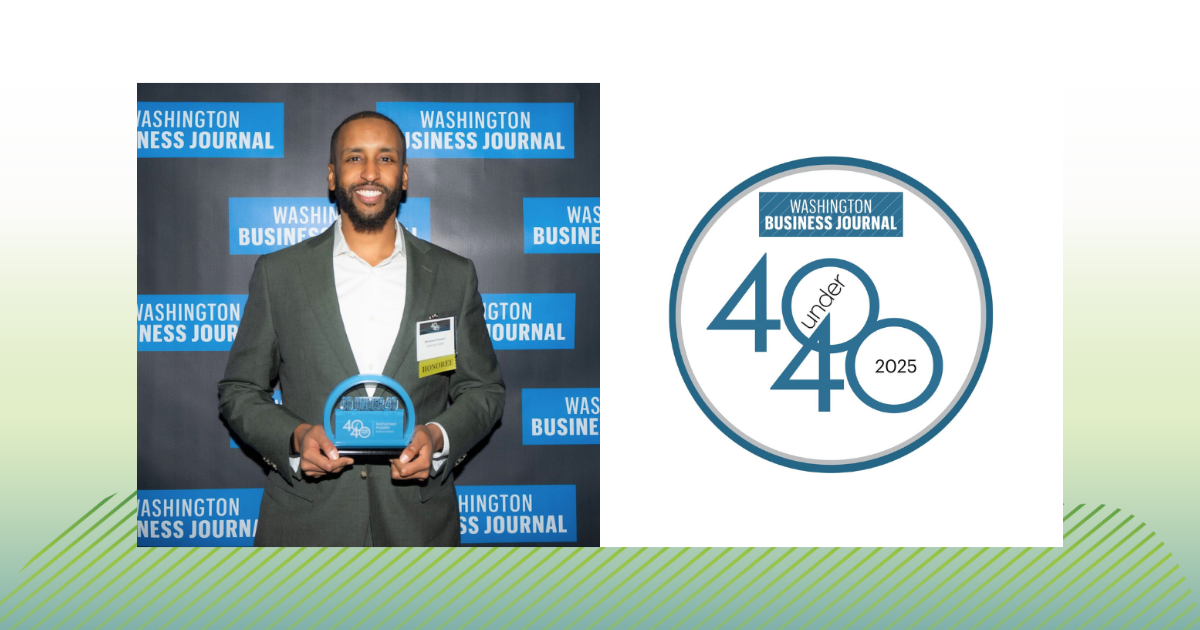
PGLS CEO Mohamed Hussein Named Washington Business Journal’s 2025 40 Under 40 Honoree

Arlington, VA – Piedmont Global Language Solutions (PGLS) is proud to announce that CEO Mohamed Hussein has been named a 2025 honoree on the Washington Business Journal’s prestigious 40 Under 40 list. This annual award recognizes young leaders who have made significant strides in driving innovation, shaping industries, and creating lasting impacts in their communities.

Mohamed’s selection for this distinguished honor highlights his unwavering commitment to leadership, vision, and impact. Under his guidance, Piedmont Global has grown from a startup to one of the fastest-growing language services companies, revolutionizing the way organizations communicate across industries and borders.

“Being named to this list is a true honor, and I am incredibly humbled. This recognition reflects the hard work of my entire team, and I’m so proud of the meaningful work we’re doing at Piedmont Global to bridge cultures, drive innovation, and create opportunities for individuals and organizations worldwide.”

As a self-made entrepreneur, philanthropist, and visionary leader, Mohamed has built a company that not only delivers exceptional language and business solutions but also contributes to improving critical areas like healthcare, education, and public safety. His ability to blend a passion for making a difference with a deep commitment to excellence has shaped PGLS into a leader in the language services space.

“Mohamed’s leadership goes beyond growing a successful business. It’s about making a real difference in the world. He leads with humility, integrity, and an unwavering commitment to impact, which inspires everyone around him. This recognition is well-deserved and a testament to his extraordinary leadership.”

Celebrating a decade of growth, Piedmont Global continues to be recognized in the industry by providing solutions that improve patient experiences, expand access to essential services, and help organizations break down language barriers globally. Mohamed’s vision is not just shaping the future of language services but redefining how companies create opportunities for collaboration and change in an increasingly interconnected world.

To read more about Mohamed’s journey and his impact, visit Washington Business Journal’s feature.

PGLS is a leading provider of global language and business solutions dedicated to unlocking the full potential of communication – empowering our clients to achieve growth, enhance experiences, and transform information into actionable insights. Committed to innovation and excellence, PGLS offers a range of services designed to meet the evolving needs of our diverse clientele. From language and communication solutions to market intelligence, staff augmentation, and growth advisory, PGLS is redefining the landscape of global business and communication, empowering organizations to succeed in a dynamic world.
Humor, Culture, and Streaming: How Comedy Translation and Localization Shape Culture Worldwide

As a complex phenomenon that every society shares—but creates and experiences differently—humor is among the most difficult content for translators to adapt successfully into other languages.

What makes the task of translating comedy so challenging? In addition to a required fluency in the source and target languages, the linguist must possess a deep working knowledge of how audiences perceive, understand, and enjoy humor. Writing jokes comes with a particular set of rules and skills, where comedic impact, context, and nuance must take precedence over the specificity of the source text. The end result may have a completely different meaning, but ultimately what matters most is fidelity to the characters, context, and audience.

The process of adapting translations to align with local preferences and culture is known as localization. Since exported comedy content is rendered culturally relevant through localization, there is no global standard governing the creative decisions that shape a translated comedy project. As a result, a significant degree of variance can exist due to the decisions of different linguists.

Additionally, just because linguists can skillfully translate romantic comedies and sitcoms does not mean they are equipped for dark humor, standup, parody, or other comedic forms. In all, measuring success can be difficult.

With the steep rise in global streaming services and the demand for content in local languages, comedy localization has become a competitive and coveted offering. Let’s review how the top streaming services are tackling this challenge to satisfy their growing global subscribership.

Rising Demand for Comedy Localization

Only in the last decade has the demand for comedy localization become so urgent. About 101 of Netflix’s 300 million subscribers are located in Europe, the Middle East, and Africa (EMEA), one of the most linguistically diverse regions in the world. Amazon Prime counts on an estimated 200 million subscribers worldwide, of which approximately 88 million live outside the United States. By 2029, subscription video on demand (SVOD) is predicted to reach 1.8 billion global subscribers.

The explosion of global SVOD content has placed a spotlight on the fast-growing field of media localization. With the rise of new technologies that support large-scale translation, such as machine translation (MT) and generative AI, linguistically diverse audiences have questions about how streaming services localize content, whether through subtitles (subbing) or replacement audio in the target language (dubbing), to land jokes effectively. How much tech involvement is appropriate to balance scalability and comedic impact?

Machine Translation and Comedy Subtitling

Netflix released some fascinating data in 2023. TV streamers collectively watched over 93 billion hours of Netflix in the first half of 2023. With 4,500 of its shows available globally, Netflix stated its top-watched languages were English, Korean, Japanese, Spanish, Portuguese, German, French, Italian, Arabic, and Russian.

To localize this many shows, the scalability of subtitling is a crucial factor. At the same time, giving up creative license to a third party can be of concern to comedians and show creators who want to maintain ownership over their work. Tech integration is inevitable, but the finished product has to be guided by many experienced, trusted experts.

Machine translation is one such tool that brings speed and scale to translation services through linguistic databases and algorithms. Of course, MT processes have their limits and cannot fully grasp context, idiomatic language, and cultural nuances. This is especially true for comedic content, where jokes and expressions are grounded in collective experiences, situational awareness, historical references, and irreverence.

Machine translation post-editing (MTPE) is a human-led process where linguists review and refine machine-translated text to secure a closer alignment with the source material. In, the case of comedy subtitling, while MT may be used to kick off the project, MTPE, creative consultations, and additional interventions are required to achieve a high-quality finished product.

Without this important work, global viewers may struggle to connect with the content. At the same time, if subtitling is poorly executed, viewers may also become frustrated and lose interest. Netflix, Prime Video, and other global streamers must walk a fine line between investing in quality and leveraging scale to develop and delight their audiences.

The Evolving Role of AI in Comedy Dubbing

Some streamers prefer to watch dubbed content, as it allows them to focus on the action instead of reading the subtitles. For the professionals responsible for generating dubs, the process often comes with significant constraints to protect the viewer’s experience. The aim is to match dubbed voices to the original actors’ lip movements as closely as possible to minimize distractions to the viewing experience. However, these constraints can result in greater context loss compared to subtitling.

Historically, dubbing has counted on interpreters with a voice-acting background. In comedy, where delivery, timing, and intonation can determine whether a joke lands or falls flat, choices here can be as important as decisions made about the script itself.

Today, technology interventions powered by generative AI are challenging the industry with new opportunities and ethical dilemmas. For example, YouTube recently rolled out automated dubbing from English into French, German, Hindi, Indonesian, Italian, Japanese, Portuguese, and Spanish, plus “experimental languages that might contain errors.” However, users noted the voices sounded robotic and unnatural, sometimes selecting voices that did not represent the original speaker. YouTube has acknowledged that the tool is still in its early stages.

Media and Comedy Localization: Shaping Global Culture

It is fascinating to consider the impacts that media localization and comedy translation can have on global culture.

Decisions about whether to localize a joke or maintain fidelity to the original joke depend on a number of factors. In sketch comedy shows such as Saturday Night Live, where the storyline tends to be topical to current events, it might not make sense to localize the content, even if it is not particularly relevant in the target audience’s location. The linguists have to trust that SNL watchers outside the United States have a vested interest in American politics and popular culture.

In popular sitcoms that feature an emphasis on wit, wordplay, and identity-based humor, the task of localization is even more difficult. Famously, Seinfeld has been one of the more challenging television shows to localize in select markets for this reason. One-to-one translations of the jokes simply do not make sense in other languages, and the reliance on wordplay made adaptation without recasting the long-running character arcs a significant undertaking.

The philosophical question can come down to understanding the particulars of specific target audiences. Are viewers tuning into a foreign show in the interest of a new and authentic cultural experience? Or, do they expect to enjoy comedy realigned to their tastes? Viewers may be smart enough to recognize “bad” translations and dubs, but they also can tell when their local preferences have been recognized. This effort goes a long way.

Decisions made here have an impact on profits by way of views, subscriber growth, and retention. At the same time, these creative decisions also have the potential to generate fandoms, buzz, loyalty, and cultural affinities. As linguists and consumers of streaming content, we at PGLS will continue observing how streaming houses continue to push boundaries and strike a delicate balance between authenticity, feasibility, and audience satisfaction.

Language and Localization: How to Convert and Retain Global Consumers with Localized Content

Today’s leading brand marketing teams are increasingly asked to engage global audiences more effectively. It is in their interest to find the most accessible opportunities that align with budgetary requirements and can scale effectively. As digital communication and e-commerce have reduced the barriers to reaching global audiences, authentic and culturally attuned content is key to improving performance and should top the list of considerations.

In an era of noisy feeds and infinite scrolling, brands are up against a significant amount of competition in the attention economy. What drives customer engagement in your region may not translate into another culture. Translating ideas and repurposing existing concepts one-to-one is not the way to stand out.

survey by CSA Research asked English-as-a-second-language (ESL) consumers in Brazil, China, France, Germany, Japan, Russia, Spain, and Sweden to comment on shopping experiences in English. More than nine out of ten indicated they were much less likely to consider buying a product if it was neither presented in their native language nor adapted to their local preferences. One in six survey respondents would never consider investing in software if it was not offered in their native language.


Do these results surprise you?

Plenty of marketers still assume that campaigns and merchandising in English will work for the 1.46 billion people who speak English worldwide. This theory works when language and concepts rely on simple, universal themes. However, with only a fraction of these 1.46 billion people speaking English as their first language, and few campaigns clearing the bar for simplicity, failing to localize content could mean losing out on customers and engagement.

Individuals are more emotionally engaged when interacting with content in their native language. Why? Because familiarity and comfort significantly impact consumer decision-making. Translation and other language services can help bridge the language divide, but this is only the beginning of the process. To improve global reach and performance, brands need to go further, bringing localization into the global go-to-market planning process earlier.

Effective localization adapts translations to convey cultural references, idioms, design sensibilities, humor, and tone. When attempting to reach international markets, remember that translation is only the starting point, and that localization is the key differentiator to help you achieve your objectives.


What Role Does Language Play in Consumer Behavior?

Before we explore the applications of localization in global marketing and merchandising, let’s explore why language is such an important indicator of consumer behavior.  

Language shapes how individuals process and perceive information. When applied to a marketing context, language shapes consumers’ emotional connections with brands. Consider the impact if a consumer does not benefit from the ease and access provided by content in their native language. One can extrapolate the challenges to eliciting a comparable emotional response.  

For limited-English-speaking audiences, localization reduces the barriers to building a connection to and affinity for brands. This is true even if they have a working knowledge of the language.


How Localization Drives Consumer Engagement

Translation is part of the effort to connect with international customers, but localization is even more expansive. Localization enables brands to reflect locally held beliefs, traditions, context, current events, restrictions, faux pas, and humor 

Getting localization right signals to audiences that brands understand them. Brands perceived to be culturally aware tend to foster deeper emotional connections with their audiences, translating into greater, more enduring customer loyalty.  

Reporting over one billion in revenue in 2024, the cosmetic brand e.l.f., a New York-based company, is currently sold in 18 countries. e.l.f. recently launched a localized campaign called “e.l.f. von zehn” (eleven out of ten) that unites the brand’s commitment to quality with German consumers’ preferences for highly rated products. As a play on words, this campaign could only work for German-speaking audiences. Its success comes directly from a well-considered localization strategy, demonstrating the value of elevating local culture through partnerships with localization experts. 

Getting culture and localization wrong can be disastrous to engagement, sales, and retention metrics. You would not base your domestic marketing strategy on assumptions; the same must be true for international campaigns. Insufficient local market research or (sometimes) reliance on one-to-one translations of English-language materials can alienate audiences and lead to wasted investments. It is important to gain a thorough understanding of your audience’s culture and language, with the help of trusted market localization experts, to deliver relevant and engaging content that leads to increased sales and conversion.


Impact of Localization on Sales and Conversion Rates

Brands that invest in knowledge of local customs, idiomatic expressions, and societal values are rewarded with elevated trust and loyalty. Studies on neurocognitive processing support this claim, showing that the brain is more efficient at decoding familiar linguistic patterns. This heightened engagement is likely due to the cognitive ease of processing information in one’s native language.

For this reason, localization can also be a strategic investment in higher sales and conversion rates. According to Stripe, customers may abandon purchases when the checkout process is confusing. CSA Research has also consistently found that consumers in non-English-speaking regions are almost always more likely to complete a purchase when product information is available in their local language. To avoid this common pitfall, localizing your checkout workflow can improve sales and conversion rates by reducing unnecessary friction points in the customer journey.


Increase Marketing ROI with Localization

For global brands, the return on investment in localization is clear. Not only does localized marketing lead to increased brand recognition and trust, but it also drives significant improvements in sales conversions. Companies that fail to localize their marketing strategies are missing out on substantial growth opportunities, particularly in non-English-speaking regions, suggesting that brands should prioritize localization in their global expansion efforts.

Brands should not overlook this strong link between localization and long-term performance outcomes. For global brands, localization is not just a marketing tactic but a critical strategy for building trust, loyalty, and long-term growth in international markets. Customers who engage with localized content are more likely to become repeat buyers and advocates for the brand. This loyalty is tied to the emotional connection that localization fosters and the sense of respect and understanding that consumers feel when brands invest in culturally relevant communication. The correlation between localization and long-term retention is especially important for businesses looking to build lasting customer relationships in emerging markets, where brand loyalty can lead to sustained growth.

Learn more about localization from a Piedmont Global expert: contact a language access consultant today.

4 Trends for Global Go-to-Market Planning in 2025

Are you getting ready to launch a new product in more than one country? If so, global go-to-market (GTM) planning is on the agenda. Launching new products is already complex when preparing for one market, let alone many. Introduce differences in language, cultural values, and preferences, and the challenge multiplies.

Whether your brand is a small startup or an established small/medium-sized business (SMB), global GTM planning must incorporate localization as a foundational process. Localization builds a durable link between your headquarters and your global customers, enabling you to connect with new audiences authentically and maximize buzz, growth, and profitability.

All too often, localization enters the picture after a GTM strategy has been set.

This common mistake can lead to delays, lackluster launches, and failure to achieve stickiness. You can avoid these pitfalls by bringing on localization experts earlier into the process who can help you weed out mistakes long before they become disruptive. Localization experts contribute significant value by elevating brand identity and product messaging beyond one-to-one translation into a context that resonates with clearly defined, linguistically diverse audience segments.

As we review some of the most exciting and impactful trends in global go-to-market planning in 2025, we will also consider how and where localization fits into the picture. The following opportunities are proven to build awareness, desire, and demand. When combined with strategic localization, you can achieve positive cultural impact in every target market you wish to reach. 


Trend #1: Create Legitimacy with Native Content

In 2024, U.S. adults between 18 and 24 spent 186 minutes scrolling daily. For adults 65 and older, that average was 102 minutes. Social media remains among the highest-performing (albeit expensive) channels for reaching your ideal audiences. While beating the algorithms can feel like a moving target, one format continues to rise to the surface: native content.

Marketers are always looking for the perfect channel, message, and aesthetic alignment to drive impact. In the case of global GTM planning, that impact ultimately should lead to sales, so brand campaigns ought to be complemented with engaging, informative calls to action. This is precisely where native content shines. Native content often strives to answer the “what, how, and why” through a consumer lens, providing a relatable, low-friction pathway to purchase.

Strategic GTM leaders must push back against the conventional wisdom that marketing content needs to be flawlessly presented 100 percent of the time. While native video may require storyboarding, basic staging, and competent talent, it does not require elevated videography, studio lighting, or professional actors. Why? The “realer,” the better—it’s all about blending in.

Most scrollers do not appreciate their feed experience being interrupted, and the majority of user-generated content on social media is not created with sophisticated production resources. Overly polished ads can, ironically, become an eyesore, and it is all too easy for users to move on to the next post or video. You should still produce brand campaigns with refined creative and messaging, but consider how native content can reinforce your brand strategy.

Localization tip: Targeting native content to reach customers with specific attributes, including language spoken, requires authenticity. If featuring talent, they should be local. Consider creating content that speaks to the themes, expressions, sentiments, and other cultural identity markers unique to each global audience segment. One-to-one translations may not land as effectively or miss opportunities to capitalize on local trends aligning with your brand and customers. 


Trend #2: Localize Your Influencer Strategy

If the production value of social media content exists on a spectrum, with user-created content on one end and studio creative on the other, influencer-produced content falls somewhere in between. Influencer marketing offers a credible endorsement from a trusted voice, which ideally unlocks a new pool of potential customers.

In an era of noisy feeds and split-second decision-making, there is little downside to tapping into a curated corner of the internet where your target audiences are opting to spend their time. The barrier to entry, for most, is price. While the global influencer market reached an estimated valuation of $24 billion in 2024, much of this figure comes from the millions of micro-influencers with 150,000 or fewer loyal followers.

Micro-influencers do not necessarily translate to micro budgets, as many have invested time and resources into creating valuable content that keeps their users happy. Their engagement rates tend to skew higher, leading to overperforming click-through rates compared to brand-hosted sponsored content. Depending on their track record with other high-quality brands, you ought to be able to find partnership opportunities that fit your budget and expand your reach. 

Localization tip: A localized marketing expert can help you identify regional influencers with proven engagement in your niche. Some micro-influencers may offer a more approachable pricing scheme and can advise on the culture and values of their followers to ensure your messaging will resonate.


Trend #3: Persuade with Independent Research

According to Google, 53 percent of shoppers research products online before purchasing, and this may be undercounted. If you aren’t already sourcing original, third party-verified research to reinforce your product story, 2025 may be the year to start. 

Where data science, thought leadership, and marketing converge, an independent research study is an invaluable asset to a go-to-market strategy. Adding a research component to your GTM plan is not something to jump into hastily, and there are ethical and legal considerations to put first. However, if executed correctly, research can pack a powerful punch to campaign results by capturing interest, establishing trust, and driving sales. Without this asset, you run the risk of shoppers visiting competitor websites to find the answers they seek. 

How you conduct independent research will vary based on industry. A skincare brand may host a clinical trial to test product efficacy. A B2B organization may run a consumer research study to provide clients with valuable insights for their businesses. Use a reputable, independent agency should facilitate the process and certify the results, and plan for six months to a year for the project lifecycle.

Localization tip: When launching in more than one country, your product’s unique value proposition may need to be tweaked. Consulting with in-market experts in the discovery phase will help ensure the scope of product research examines the benefits, attributes, or themes that local markets are likely to find useful.


Trend #4: Close the Deal with Localized AI Chatbots

In 2023, 44 percent of shoppers used chatbots to ask questions while considering a purchase. Eighty-two percent of customers indicated they prefer interfacing with chatbots over waiting for a representative. 

Investments in awareness and engagement strategies should be matched with investments in lead nurture and conversion. An expertly deployed AI chatbot can make a difference by providing streamlined access to common pre-purchase questions about product attributes, reviews, shipping and returns, and other relevant information.  

Alignment with sales and customer service can increase the mileage of your chatbot. It should also be trained to connect customers with product FAQs, account and subscription management information, and other post-purchase advocacy content that support satisfaction and retention.

Localization tip: Since people are more likely to make purchase in the language they are comfortable with, train your chatbot to offer multilingual workflows. Your global customers will thank you.


Localize Your Go-to-Market Plan with Piedmont Global

From website, campaign, and chatbot content translation to brand, product, and marketing localization, Piedmont Global brings cutting-edge expertise to drive global growth. Reach out to a team member to learn about our innovative localization, translation, and interpreting solutions for enterprises, SMBs, and startups. 

5 Best Practices to Optimize K-12 Language Access Planning

English learner (EL) students often face achievement gaps compared to their peers. Recent National Center for Education Statistics data found that 6.1 percent of twelfth graders remained English learners through graduation. With 15 percent of first graders entering elementary school as English learners, as many as 40 percent of EL students could be slipping through the cracks.

The factors contributing to these outcomes are multivariable and complex, which means promoting language access is not the sole responsibility of one person or department. Rather, it is the responsibility of the entire school system. A cohesive language access plan is essential to helping multilingual students and families receive equitable access to opportunities. Without a plan, EL students are at risk of falling behind, parent engagement will be impacted, and school districts could someday face litigation.

We spoke with experts in K-12 language access planning to create the following best practices guide. Administrators and teachers can use these tips to map out, fund, administer, and refine a plan that works for their schools and student populations. Each best practice contributes to an overarching goal: improving outcomes for students by engaging with EL families competently and compliantly.


Best Practice #1: Identify Your Language Access Champions

It’s no secret that most K-12 professionals work long hours. To increase awareness and adoption of language access resources, you need to make the process streamlined, and you need champions committed to cultivating enthusiasm. This is true whether you are designing your first language access plan, working to improve existing policies, or expanding a plan’s scope to support more students and families.

A language access champion may help with some or all of the following: 

  • Inform parents about their rights  
  • Show parents how to request language access resources  
  • Facilitate staff adoption of language access services 
  • Answer questions and pass along staff feedback 
  • Advocate for funding

Language access champions bring energy, awareness, and follow-through to maximize the reach and impact of this important work. Your champions may be responsible for the internal adoption of policies, while others may focus on encouraging parents to take advantage of services. In either case, the best way to locate your champions is to find out who is already making an effort.

Consider hosting a training that covers how to work with interpreters, engage with technology, and understand when it is appropriate and compliant to deploy language access. The teachers and administrators who show up with enthusiasm might be open to formalizing their role as language access champions.


Best Practice #2: Quantify the Need for Language Access

In many school districts, the need for language access is underestimated. This can lead to a false assumption that a larger investment in language services is unnecessary. Instead, follow the data: often times, you will find that EL families and students are underserved. 

Quantifying the need for language access is a foundational step of language access planning. One straightforward method to gather this data is tagging EL students and families in your student information system (SIS). This process should be repeated with every new school year. 

Understanding the scope of language access needs will not only help allocate internal resources. You will also need this data to take full advantage of ESSA Title III funding for EL programming.


Best Practice #3: Identify When Professional Language Services Are Required

In certain situations, language access is not just helpful—it’s mandatory. When meetings or documents influence decisions or outcomes related to student academic performance, enrollment, safety, or disciplinary action, professional language services must play a role. Without it, there is a risk of families not fully understanding their rights, responsibilities, or the impact of a decision on their child’s education. 

Common scenarios that require professional language services include: 

  • IEP meetings 
  • 504 plan meetings 
  • Parent-teacher conferences 
  • Emergencies 
  • Disciplinary hearings and legal proceedings

Activating professional language services for any of the above scenarios should not present bottlenecks. Procedural guidance ought to cover the following proactive steps:  

  • Schedule interpretation services in advance—don’t wait until the last minute. 
  • Add 50% more time to scheduled meetings to ensure all parties have adequate time to communicate with each other. 
  • Provide interpreters with key documents in advance to prepare for the conversation. 
  • Assure families of confidentiality by confirming that interpreters adhere to FERPA regulations.

Last but not least, there is one policy every school must follow: multilingual students are not interpreters. Using students or untrained staff can compromise the accuracy of communication, jeopardize trust, and expose the school to lawsuits. 


Best Practice #4: Clarify the Role of Multilingual Staff

Multilingual staff play an essential role in schools with diverse populations, but it’s important to recognize they are not a replacement for professional linguists. 

Teachers who speak more than one language can offer valuable support for informal communication needs. In contrast, interpreters are trained to facilitate accurate, culturally competent communication in formal settings with higher stakes. 

Experienced interpreters have the knowledge and skills to handle complex educational terminology, navigate sensitive topics, and build trust with families. They have experience in situations like IEP meetings, 504 planning sessions, school board meetings, parent-teacher conferences, and disciplinary hearings, where neutrality and confidentiality are essential. 

While multilingual staff bring language skills to their classrooms, they may not have the formal training or experience to provide unbiased, accurate interpretation. It also introduces liability to the school district if a bilingual staff member handles interpreting and a misunderstanding occurs. 


Best Practice #5: Create (or Refresh) Your Language Access Plan

Recent settlements between school districts and the Department of Justice have made requirements clear: 

  • Have a consistent, accurate process for identifying families with language barriers 
  • Provide essential information to families in a language they understand 


Maintaining an up-to-date language access plan is essential to increase engagement with EL students and families and comply with anti-discrimination laws. It should detail the who, what, when, how, and why—and identify the procedures to access language services in a timely manner. 

For low-risk, informal communications, texting apps and devices can be useful. Be mindful that these tools leverage machine translation, which is not guaranteed to be accurate without expert linguist supervision. For conversations that require more nuance, persuasion, impartiality, or trust-building, your language access plan must identify how to reach a professional interpreter. They may be accessed over the phone, via a virtual platform like Zoom or Google Meet, or in some cases work onsite. Additionally, forms and handouts for parents should be translated into your district’s most commonly spoken languages. 


Partner with Piedmont Global for K-12 Language Access Planning

Ready to work on your language access plan? Whether you are starting from the beginning, making improvements, or simply looking for a language services provider with education-focused linguists, Piedmont Global can help.

Piedmont Global works with school districts across the United States to build a pathway to compliance and support better outcomes for EL students and families. For more information on creating, implementing, and optimizing your school’s language access plan, reach out to our team of experts today.

How Manufacturing Translation Services Drive Global Growth and Compliance

In response to the global disruptions and harsh lessons of the COVID-19 pandemic, most manufacturers are working to de-risk their supply chains. As commerce continues to trend towards increasing interdependence, the risk of disruptions—due to geopolitical conflict, war, tariffs, and other circumstances out of the industry’s control—remain prescient.

According to Accenture, manufacturing success in this decade and onward depends on lessons learned and accelerating value chain transformation. Manufacturing businesses that prioritize people-first, technology-led solutions can better protect against future supply chain disruptions. Better yet, if the solutions can also match accelerating consumer demand, a handful of manufacturers have an opportunity to lead.

One such area ripe for transformation is the relationship between global manufacturers and language service providers (LSPs), brokered by advanced technology, such as generative AI.

A recent McKinsey report named generative AI “a new frontier for problem-solving, illustrated by recent innovations in content creation, insight generation, and human-like interaction.” In the manufacturing sector, generative AI can be used to guide and supplement predictive maintenance, automated root cause analysis, production plans, route design, and more. For LSPs, generative AI presents the possibilities for greater scalability, precision, and data security. In both cases, human oversight remains essential to quality assurance.

Combine the two, and manufacturers can expect measurable efficiency gains, consistent quality outcomes, and enhanced safety and compliance. 


How Manufacturing Translation Services Can Improve Production Efficiency

Increasing production efficiency is a call to every plant manager. Which levers are the right ones to pull?

Staff utilization is a core metric that almost always has room for improvement, and it can be one of the most challenging to impact. Immediate gains in human-led outcomes are not easily won. Introduce language barriers, and the challenge increases.

Is it possible there is a knowledge gap between management’s expectations and current performance? When working with a multilingual workforce, the quality of content provided—through written materials, videos, seminars, and onboarding—has a direct impact on on productivity outcomes. Facilitating effective team meetings across language barriers also matters.

Manufacturing translation services can help identify and address current gaps in translation quality, which may be contributing to lags in production efficiency. Then, your LSP can use generative AI to transform or modify existing content to land more effectively with multilingual staff. The aim is to deliver a consistent training experience, no matter which language your staff speaks at home.

An investment in clear communication sets a higher bar for performance, which lays the foundation for increased production efficiency over time. On the other hand, skimping in this area exposes the operation and personnel to significant risks. 


Ineffective Communication Worsens Safety, Compliance, and Performance Outcomes

Poor communication, mediated by low-quality translations, can lead to tragic outcomes and costly mistakes.

According to the Department of Labor, Hispanic and Latino workers are projected to make up 78% of new workers by 2030. The job fatality rate of Hispanic and Latino workers is 24% higher than the national average, increasing again last year to 4.6 per 100,000 workers.

Also, the total cost of work injuries in 2022 was $167 billion, which included wage and productivity losses of $50.7 billion, medical expenses of $37.6 billion, and administrative expenses of $54.4 billion.

Companies have a legal and ethical responsibility to communicate safety and training resources in the languages spoken by their workers. Without multilingual support, it is impossible to expect equivalent safety, productivity, and quality outcomes for all workers.


How to Streamline Workforce Communications for Efficiency and Compliance

According to the National Association of Manufacturers, more than 71% of manufacturers said their leading challenge is attracting and retaining employees. Turnover might seem like an inevitable reality for many plant managers, but there are steps you can take to mitigate it.

Your partnership with an LSP can lead to safer outcomes for workers, while also targeting enhanced performance, by taking the following steps.


#1: Ask, do not assume, about workforce language needs

By engaging with migrant and non-native-speaking workers directly, manufacturers can more effectively recognize and address the diverse needs of their workforces.


#2: Document processes thoroughly

Accurate translations for manufacturing safety guidelines and procedural steps can mitigate safety risks and improve performance and job satisfaction.


#3: Localize documentation for worker groups

ESL or non-English-speaking workers deserve clear communication. Technical translation services for manufacturing and accurate interpretation strengthens your relationships and trust with frontline workers, which support better performance and retention.


#4: Offer language training

Language training can improve workforce communications, enhance safety and compliance, boost efficiency and productivity, and increase employee satisfaction. 


The Role of Generative AI in Global Manufacturing Language Services

In response to increasing demand for speed and precision, leading LSPs are scaling manufacturing language services with the help of generative AI. Together with human oversight, Gen AI increases productivity, aligning better with production schedules without overtaxing budgets.

The technology has enabled transformations to language service providers’ value proposition, including: 

  • Enhanced security: API-based data transmission ensures greater security than browser-based machine translation (MT) tools. Clients can also choose self-hosting for extra protection. 
  • Customizable large language model (LLM) integration: Incorporating large language models enhances the translation quality of complex, context-sensitive content. 
  • Text optimization and post-editing: Tools can automatically rewrite source text for better MT results and apply automatic or human post-editing for a refined output. 
  • Integration of translation memories and style guides: Ensure consistency by leveraging your company’s translation memories and incorporating your brand style with glossaries and custom prompts.


Selecting Your Global Manufacturing Translation Services Partner

Effective communication, well-documented processes, and accessible training that reach across language barriers can increase production efficiency, personnel retention, and compliance.

Your manufacturing language services provider should offer all the necessary services to support your required outcomes:  

  • Expertise in global manufacturing operations 
  • Remote and virtual interpretation 
  • Generative AI capabilities

As a leading provider to global manufacturers, Piedmont Global brings deep expertise and a commitment to excellence for automotive, chemical, heavy equipment, and machinery industries. Get in touch today to discuss a global partnership.

The Future of Multilingual Learning with Dr. Misael Nascimento

The Language Access Lectern | a Piedmont Global Podcast | Episode 3

In the latest episode of The Language Access Lectern, host Mark Byrne speaks with Dr. Misael Nascimento, president and CEO of Camino Education Consulting Group and former executive director of bilingual and multicultural services at Rockford Public Schools. Misael has had a distinguished career servicing multilingual families across the country and, as a result, has observed the evolution of language access to better support multilingual students and families.

You can listen to the full episode here. Keep reading for an engaging recap of Mark and Dr. Nascimento’s conversation, including Dr. Nascimento’s vision for the future of multilingual learning. 


From Multilingual Student to Language Access Advocate

Mark: Tell us about your experience as a multilingual educator and language access advocate.

Dr. Nascimento: I’ve been doing this for a long time. I love it because I’m an English learner. I came to the United States without knowing the language. I come from Rio de Janeiro, Brazil.

Mark: How did language barriers impact your experience moving to the United States?

Dr. Nascimento: I came at age 22, and learning English when you are older is pretty rough. I was going to college, but I couldn’t go [in the U.S.] because I couldn’t speak the language, so instead, I went to ESL courses. The first impact of coming in with an education and not being able to continue at school was very frustrating. But, I was able to learn enough English to go back to school, and since 1987, I’ve never left. To this day, I still make an effort to learn it.

Mark: How did you feel that you were received as somebody who had challenges speaking English?

Dr. Nascimento: That first impact, how diverse America is, it was fascinating. The mix of learners within the ESL courses was mostly Spanish speakers, fellow Portuguese speakers, and also people from everywhere. I went to Lake View Learning Center in Chicago. I’m not sure if it’s still around. There was a teacher there, Mrs. Rivera, I never forgot her name. She helped me to keep on and get to university.

Mark: Teachers who are supporting multilingual families, just know that there’s incredible warmth, respect, and admiration for the work that you do.

Dr. NascimentoOne of these days, I’m gonna go back in there and say thank you for what you do, because a lot of times people don’t think that they have that kind of impact.

Mark: There are 7,000 multilingual learners within Rockford Public Schools, which is the third largest school district in Illinois and certainly among the most diverse.

Dr. Nascimento: Working in a large school district with 29,000 students and 7,000 multilingual learners, to know I have helped a bit in their journeys—10, 20, 30 years down the road—is such a humbling experience.  


Developing ESL Programs for Multilingual Students

Mark: Talk to me about the strategy for developing programs to support these students. A lot of listeners are multilingual program directors.

Dr. Nascimento: I kept building on what we had: the translation department, the data department, the family support groups, hiring teachers, an ESL program. When I started, there were ESL classes in only some schools. There were 41 total schools, and so many students were not receiving the proper services.

I went to the superintendent and proposed ESL classes in all 41 schools. He said you’re going to need a lot of teachers. We had 13 ESL teachers when I arrived, and by the time I left, we had 38. When people believe in what you’re doing, that allows everything to change, but it takes a little bit of time.

Mark: Talk to me about building that support and getting that trust. When somebody who’s in your shoes wants to bring this information to a school superintendent, how do you recommend they go about doing that?

Dr. Nascimento: First, be patient. Show people that you know what you’re doing because you’re talking about taxpayers’ money. You want to create things that are effective and cost-effective. Let people see that you have every good intention to get there and that you are taking steps. You will make mistakes, of course, but you keep on moving. Be creative, go to a conference or workshop, learn something and bring it in. 


The Past, Present, and Future of EL Instruction

Mark: Your career spans 40 years. Say more about the evolution of educating multilingual learners. 

Dr. Nascimento: When I hear, my grandparents came to America and they learned English by themselves, in many cases they had a supervisor or a foreman who spoke their native language and they found a job to survive. That’s not what we want for students today. Instead, we want them to be taught English through content so they can leave and be successful in college or a career. Today, we teach English through social studies, science, math, and language arts. We want teachers to take the content of the English language and teach English as a second language (ESL).

Mark: Say more about the impact of shelter instruction.

Dr. Nascimento: When teachers go to college, they don’t expect people from other countries to come into their classrooms. But there are strategies, including shelter instruction, to help general education teachers do what ESL teachers do.

Mark: What advice do you give to teachers learning how to support multilingual students?

Dr. Nascimento: My advice to them is to be patient and get creative. We can’t expect the kids to learn English overnight, and every student comes to us from a different situation. But you can’t keep teaching them the same way. People will gripe that it’s more work, and it is. This teacher I know is spending 15 minutes before a lesson, and their four EL students are learning. They are now excited to learn. If you can get that excitement going, it will bring results. In my district, they launched a double period of ESL that is 90 minutes long, so the teachers can really get in their element and students have the opportunity to grow.

Mark: What are your strategies for creating that spark within students and bringing out their best?

Dr. Nascimento: Tap into available resources. For example, I was observing an eighth-grade math classroom and twelve of them were English learners who spoke Spanish. The teacher did not know what to do. I grouped the EL students together. They would not be teaching what the teacher is saying, but at least they would get an explanation from their peers. Then, I said, let’s talk to the principal and see if we can find someone. They had a paraprofessional who was a Spanish speaker, and we brought them in to help with those groups. The teachers who do these things help get their students excited about learning and coming back. It takes patience and creativity to make it work. 

Listen, Watch, and Subscribe

Listen, watch, and subscribe to The Language Access Lectern on YouTube and piedmontglobal.comLearn more about Piedmont Global interpreting, translation, and language training services for K-12 schools here 

The Importance of Manufacturing Translation Services for Technical Documentation

With margins under a magnifying glass and workforce retention a top priority, services that enhance performance efficiency and workforce engagement, such as generative AI and manufacturing translation services, will play a critical role in 2025 and onward. Efficiency, safety, quality, and other core metrics are in focus, and most leading manufacturers plan to make significant investments in these areas, especially through technology-led solutions.

When integrating new processes and technology, language barriers add to the complexity. High-quality translation—of technical manuals, plant documentation, training videos, and other operational documents—presents an opportunity to bridge this divide. With advanced technology-powered language services, you can attract, train, and motivate a linguistically diverse workforce for optimal performance. Here’s how you can take advantage. 


How Manufacturing Translation Services Advance Production Efficiency, Compliance, and Safety

When advancing efficiency goals, optimizing existing practices can make all the difference. For example, replacing generic or machine-only manufacturing documentation translations with professional-grade translations can improve accuracy, leading to better comprehension and increased efficiency. 

Accuracy of translated content also matters to compliance, especially in regulated industries, such as pharmaceuticals and industrial chemicals. For example, as manufacturers face increased scrutiny of products sold in the European Union, documenting such factors as carbon emissions, energy usage, product ingredients and formulas, and other attributes has become an increasingly important (and regulated) practice. If executed poorly, the penalties can be steep, and language barriers are unlikely to be an acceptable excuse.  

Finally, manufacturing translation services support better safety outcomes. Among stateside employers, statistics show that Latino workers experience a job fatality rate that is 24 percent higher than the national average. Accidents and downtime are costly, and the harm to individual health and well-being can be irreparable. 

While the factors contributing to this outcome may vary, one tactic to help improve workplace conditions is consistency in communications. High-quality translations support a more thorough understanding of operational manuals and safety guidelines, ensuring workers receive equal opportunities to succeed and thrive at work. 


Generative AI in Manufacturing

Generative AI will also inevitably play a role in scaling production quality and efficiency. According to Deloitte’s 2024 Future of the Digital Customer Experience survey, 55 percent of product manufacturers already use generative AI as part of an overall digital transformation strategy. More than 40 percent plan to increase their investment in gen AI over the next three years.

Among its many applications, generative AI in manufacturing has led to significant, cost-saving innovations related to predictive maintenance, route design, supply chain optimization, and much more. Similarly, gen AI is transforming the language service provider (LSP) industry’s value proposition. Large language models enhance the translation quality of complex, context-sensitive content, creating opportunities for consolidated, global partnerships that deliver optimized technical manual translation and other training content at scale.

Investments in advanced technology like gen AI must come hand-in-hand with investments in personnel training to maximize impact. Human supervision of data structuring, AI output quality control, and other tech-driven operations remains essential. 


Engaging Diverse Workforces with Language Services

The digital transformation of manufacturing has as much to do with workforce engagement as it does production. Since employee turnover remains a top concern this year, per a 2024 National Association of Manufacturers survey of member companies, leaders are seeking ways to overcome the curse of frequent turnover. If your workforce is linguistically diverse, manufacturing translation services (including highly efficient, technology-led solutions) can assist with enhancing communication and engagement.

A strategic effort to bridge language barriers can help staff feel valued and heard, encouraging and empowering individuals to do their best work. Plus, when companies invest meaningfully in their employees over the long term, they are more likely to receive positive word-of-mouth referrals that enhance employer brand perceptions. It is difficult to track attribution, but investments in a positive workplace reputation can not only help attract high quality employees, but retain them, too.


Top Benefits of Manufacturing Translation Services

In summary, manufacturing translation services offer the following benefits in 2025:  

  1. Employee engagement: Remote interpretation services offer significant cost savings while providing employees with what they need to communicate and comprehend essential safety information. Affirming interpreted messaging with translated, localized training materials and safety instructions will enhance compliance and comprehension.
  2. Increased capacity: Technical manual translation and other training content can help drum up additional productivity without overtaxing budgets.
  3. Volume discounts for consolidated partnerships: When considering a comprehensive partnership across the organization, leading LSPs can often provide a volume discount. This financial benefit also leads to increased quality and consistency, as a manufacturer can count on its LSP leveraging the same translation memory for content, regardless of plant location.


Develop Your Manufacturing Translation Services Partnership

Don’t allow your investments in technical manuals and plant documentation to stop short of reaching your multilingual staff. When language barriers are present, and those responsible for high-volume tasks have a limited English-speaking proficiency, technical manual and plant documentation translation creates the opportunity for all employees to contribute effectively, leading to better overall production efficiency.

Ready to build your comprehensive manufacturing translation services partnership? Piedmont Global offers translation, localization, and interpreting solutions for global manufacturing enterprises in over 200 languages and regional varieties. 

Read our eBook and contact Piedmont Global to learn more. 

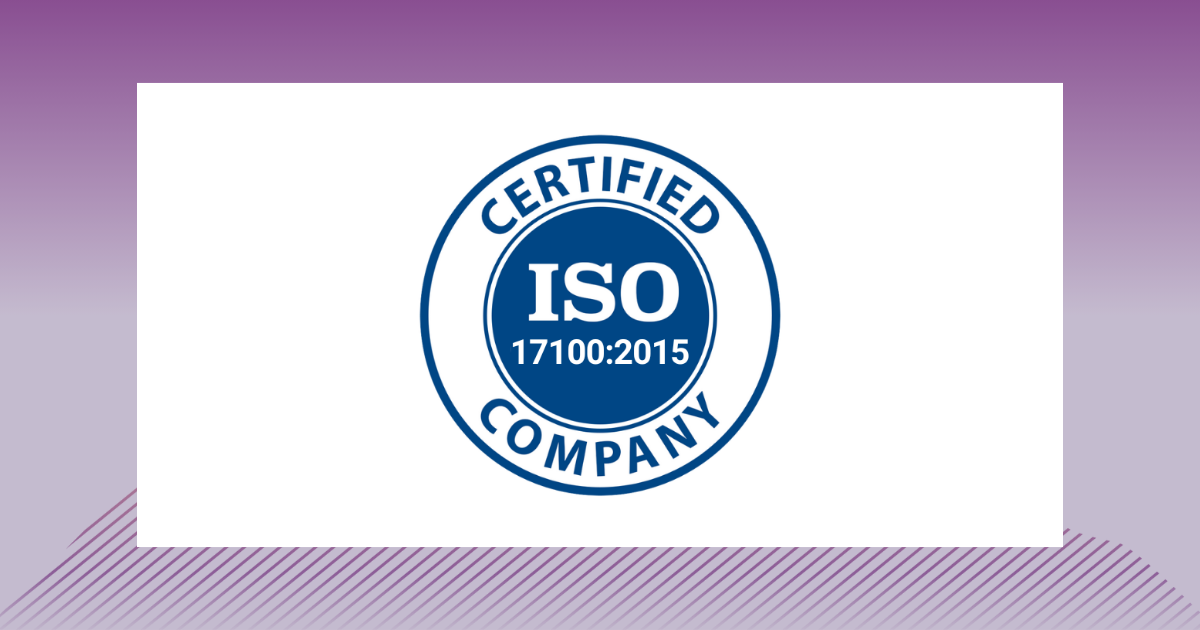
PGLS is Awarded ISO 17100:2015 Certification

PGLS Achieves ISO 17100:2015 Certification for Translation Services

Piedmont Global Language Solutions (PGLS), a global leader in language and communication solutions, is proud to announce that its translation team has achieved ISO 17100:2015 certification. This prestigious international standard specifies the requirements for core processes, resources, and other aspects necessary for delivering high-quality translation services.

The ISO 17100:2015 certification is a testament to PGLS’s commitment to quality, consistency, and excellence in every project. This achievement reflects the company’s dedication to adhering to globally recognized best practices for translation services. By meeting these rigorous standards, PGLS ensures that its clients receive professional translation solutions that meet their unique needs.

“Achieving ISO 17100:2015 certification underscores our unwavering commitment to providing exceptional translation services to our clients. This certification not only validates our processes but also strengthens our ability to support clients in industries where accuracy and reliability are critical.”

The certification enhances PGLS’s ability to serve clients across various sectors, including government, healthcare, legal, and technical industries. By implementing ISO 17100:2015 standards, PGLS ensures:

  • Qualified Translators and Reviewers: All linguists meet strict competency and qualification requirements.
  • Robust Project Management: A streamlined process to deliver consistent, high-quality results.
  • Improved Client Communication: Clear and effective communication to understand and meet client requirements.
  • Risk Mitigation: Adherence to stringent quality control measures reduces the likelihood of errors.

Clients can trust that PGLS operates at the highest level of professional integrity, with quality at the forefront of its translation services. This milestone positions PGLS as a trusted partner for organizations seeking reliable and precise language solutions.

PGLS is a leading provider of global language and business solutions dedicated to unlocking the full potential of communication – empowering our clients to achieve growth, enhance experiences, and transform information into actionable insights. Committed to innovation and excellence, PGLS offers a range of services designed to meet the evolving needs of our diverse clientele. From language and communication solutions to market intelligence, staff augmentation, and growth advisory, PGLS is redefining the landscape of global business and communication, empowering organizations to succeed in a dynamic world. 

2025 Predictions: The Future of Language Services Will be Defined by Generative AI

As we reflect on another exciting year in the language service provider (LSP) industry, PGLS executives are also considering the future. Between the rise of generative AI, evolving geopolitics, emerging high-growth markets, and accelerating demand for scalable yet tailored solutions, we expect the year ahead to be dynamic.   

Our internal experts predict that language services will continue to evolve its all-new, AI-enabled value proposition. These tools are opening doors for LSPs to expand their offerings, from overcoming language barriers to enabling even broader strategic goals. 

Here is what our executives have to say about 2025, which they are calling the “Year of Transformation.”  


Meet the PGLS Executives

Picture of Mohamed Hussein
Mohamed Hussein – Founder & CEO
Picture of Gilberto Segura
Gilberto Segura – VP of Technology
Picture of Kenneth Anders
Kenneth Anders – VP of Operations
Picture of John Redd
John Redd – VP of Finance
Picture of Sarah Hamilton
Sarah Hamilton – VP of Human Resources


Where is the language services industry headed in 2025?

Author picture

Mohamed Hussein, on transformation
2025 will not be a typical year. Our changing industry is poised to transform the means of human connection. The ascent of speech AI technologies and native large language models (LLMs) present scaled opportunities for rich, nuanced language products—but only if expertly deployed with context-specific data.


Author picture
Gilberto Segura, on tech evolutions

The rise of agentic LLMs is transforming everyday workflows, but chatter about innovative new modalities, such as speech-to-speech or even multimodality X-to-Y combinations, such as speech-to-video, is gaining traction. Customers will continue to ask, “Which engine/model is the best?” The answer will continue to be, “The one that works best for your use case.”

Author picture

Kenneth Anders, on globalization
The demand for language services will surge as globalization accelerates and organizations seek to expand into high-growth markets. Regulatory pressures and increased public awareness around language access, especially in critical service sectors like international commerce, healthcare, and legal will continue to drive growth.


Author picture

Sarah Hamilton, on linguist talent
As much as we see the industry bracing itself for a trend towards generative AI and software solutions, the individuals performing the services in our community are always going to be needed. PGLS has always kept a human-centric approach in this industry, and this year, we are going to see a swing back to the importance and value of language service providers as individuals.


Author picture

John Redd, on mergers and acquisitions
The momentum from mergers and acquisitions (M&A) activity in 2024 should continue into 2025, and it may even accelerate. Private equity-backed companies have been buying up mid-market-sized companies to create larger LSPs, putting pressure on increasing valuations and achieving economies of scale.


Where will AI and machine translation play a role?

Author picture

Mohamed Hussein, on AI’s value proposition
This rapid paradigm shift comes with an urgent need for responsibility. As AI continues to transform our relationship to language, and to one another, increased controls regarding privacy and compliance, risk management, and intellectual property will strengthen AI’s value proposition.


Author picture

Gilberto Segura, on balance
There will continue to be tension between in-human capacity and AI-powered outputs, and both sides will press to establish a balance. In response, retrieval augmented generation (RAG) models and smaller LLMs will become more common. Certain semantic and other technologies will establish a more knowledge-based sense of veracity in LLM content, with fewer instances of hallucination, but standards for validation and accuracy must be established.


Author picture

Kenneth Anders, on human expertise
We must embrace AI as a partner rather than a threat while remaining vigilant against its misuse. In critical contexts like healthcare diagnoses or legal proceedings, human expertise is still irreplaceable. The nuances of language, tone, and cultural sensitivity require human judgment to ensure accuracy and clarity.


Author picture

Sarah Hamilton, on productivity
As in most industries, we will see an improvement in efficiency and productivity thanks to AI. This will allow our team to provide more strategic and comprehensive support to clients.


Which key challenges are PGLS clients and partners facing?

Author picture

Mohamed Hussein, on expanding partnerships
LLMs become more valuable when leveraged comprehensively across global content needs. LSPs will need to tap into this to increase their value and stickiness through more expansive global partnerships.

Author picture

Gilberto Segura, on quality
Challenges of market commoditization will force a return to quality assessment. Unsupervised AI processes can churn out translations in another language, but are they any good? The burden of proof falls on the LSP with AI services on offer.

Author picture

Kenneth Anders, on privacy and security
Under a rapid technological transition, ensuring data privacy and security will be a leading challenge. Protecting client data has to be priority number one. 

Author picture

Sarah Hamilton, on client budgets
We will continue to see a squeeze from the top when it comes to client investment in language solutions and from the bottom when it comes to the perception of language professionals that we work in a high-risk, low-yield environment.


How will PGLS solve key challenges in partnership with its clients?

Author picture
Sarah Hamilton, on differentiated solutions

The standard industry model has brought language services too late into the customer journey. We are positioning ourselves differently: playing a comprehensive part in eliminating language barriers to drive customer satisfaction and seamless access to business services. This is a win-win for our clients.

Author picture
John Redd, on comprehensive partnerships

PGLS works with our clients on a comprehensive basis because long-term relationships create optimal conditions for success. Clients are looking for companies that understand their unique requirements and industry in a way that helps them build higher-value, integrated solutions to solve emerging challenges. Deeper collaborations enable the formation of sustainable language programs that address unique language access requirements, keep technology current, and streamline costs.

Author picture

Kenneth Anders, on human connection
PGLS is committed to blending human expertise with cutting-edge technology to deliver high-quality and efficient services. We are investing in AI to enhance productivity but will always keep human connection at the core of our business to ensure quality and accuracy.


How does PGLS make a difference?

Author picture

Mohamed Hussein, on transformation
PGLS makes a difference with purpose-built solutions that blend the irreplaceable elements of human capabilities and top-shelf products. By embracing industry evolutions and retaining the best linguists and most innovative tech leaders, we are showing up in 2025 with the same commitment to excellence and a transformative vision for the future of language services.


Author picture

Kenneth Anders, on empowering clients
At PGLS, we don’t just provide services, we create solutions that empower clients to communicate effectively across languages and cultures. Our emphasis on quality, cultural competency, appropriate technology, and client partnerships is what truly makes a difference.

Author picture

Gilberto Segura, on advanced technology
PGLS has begun working on agentic language evaluation, measurement, and LLM-driven language access tools that use dynamic insights to help public and private institutions better adapt to changing populations. We are also supporting an industry effort to establish evaluation and qualitative criteria for generated content. 

Author picture

John Redd, on client relationships
As a customer-centered company, PGLS recognizes we are providing solutions to our clients as well as our clients’ end customers. Understanding the needs of all stakeholders can lead to collaborative opportunities to solve challenges comprehensively with language services.

Author picture

Sarah Hamilton, on service commitments
We are not just a service provider. We are educators through Piedmont Academy, philanthropists through Piedmont Cares, and leaders in developing product-driven solutions to help our clients and their customers enjoy seamless experiences. When we see hardship or challenges in our industry, we put all our efforts into solving them, and we do it with creativity and care.


Embracing Transformation in 2025

There is much to be excited about in the year ahead. With a roadmap defined by transformation (and perhaps a few surprises!), you won’t want to miss a moment. Subscribe to our channels —LinkedIn and the Piedmont Global Blog—to stay ahead of the curve with analysis, news, and exclusive insights.