PGLS Named as Finalist for 2023 SECAF Awards

Piedmont Global Language Solutions (PGLS) is pleased to announce that it has been selected as a finalist for the Small and Emerging Contractors Advisory Forum (SECAF) 2023 Government Contractor Awards. Winners will be announced at the 15th Annual SECAF Awards Gala on Thursday, May 4, 2023. The event celebrates SECAF members and other government contracting organizations that have demonstrated a commitment to industry excellence.

PGLS was named a finalist in the category of Government Project of the Year.  This prestigious award is given to recognize the efforts of an exemplary program delivering significant value to the federal government.

About The Small and Emerging Contractors Advisory Forum

For more than 20 years, the Small and Emerging Contractors Advisory Forum (SECAF) has empowered government contractors to scale and succeed.  SECAF is comprised of senior leaders from active government contractors and established service providers. Members have access to the connections, events, education, tools, and resources needed to stay on top of industry trends, win government contracts, and experience exponential growth. For more information, visit www.secaf.org.

PGLS is a leading provider of global language and business solutions dedicated to unlocking the full potential of communication – empowering our clients to achieve growth, enhance experiences, and transform information into actionable insights. Committed to innovation and excellence, PGLS offers a range of services designed to meet the evolving needs of our diverse clientele. From language and communication solutions to market intelligence, staff augmentation, and growth advisory, PGLS is redefining the landscape of global business and communication, empowering organizations to succeed in a dynamic world. 
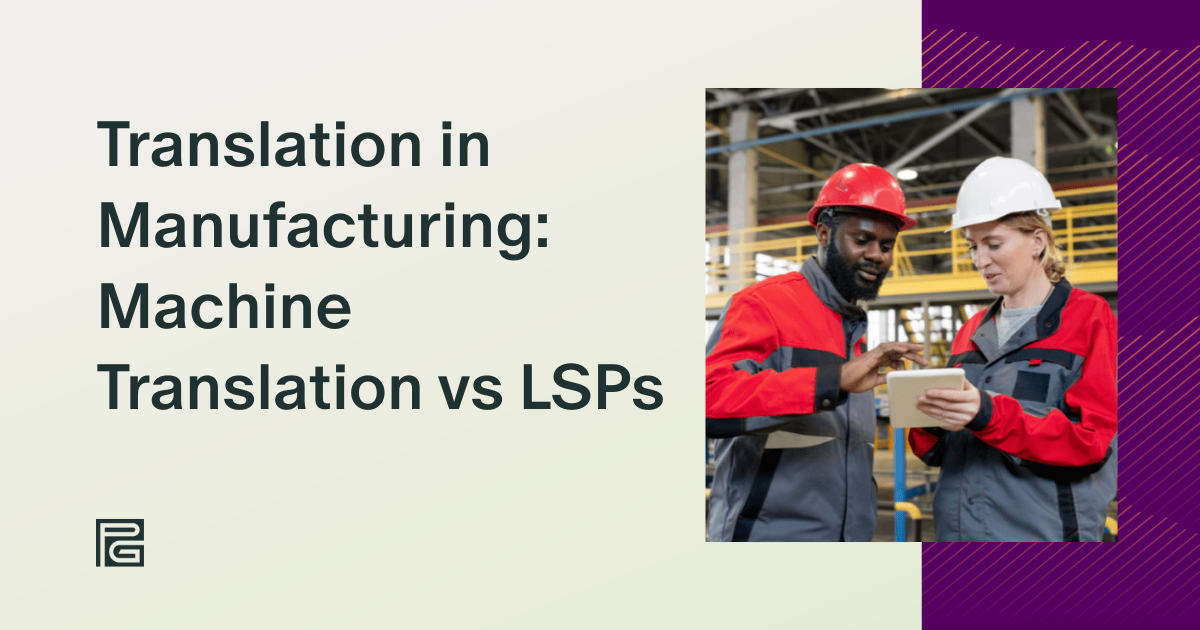
Translation in Manufacturing: Machine Translation vs LSPs

Manufacturing is an essential sector of the global economy, and many manufacturers are looking for ways to expand their businesses into new markets. However, language barriers can often stand in the way of success.

In today’s globalized economy, it’s more important than ever for manufacturers to be able to communicate with their suppliers and customers in multiple languages. Manufacturers who need translation services may consider the pros and cons of both publicly available machine translation (MT) and partnering with a language service provider (LSP).

In this blog post, we’ll look at each option’s pros and cons to help you decide which is right for your international business.


Language & Translation Services for Manufacturing

Before pitting our contenders against each other, let’s take a closer look at the language services landscape in manufacturing.

The demand for language services is growing rapidly as the world becomes increasingly connected. In fact, the global language services market is expected to grow by $21.67 billion by 2025.

This growth is driven by several factors, including the rise of e-commerce, the globalization of business, and the expansion of the sharing economy. These trends are particularly relevant to the manufacturing sector.

Most manufacturers use these services for:

  • Technical documentation
  • MSDS/SDS
  • Marketing and advertising
  • Text driven technology
  • Sales and customer support
  • Human resources
  • Research and development
  • Quality control
  • Logistics
  • Compliance
  • And more

Now that we know what they’re used for, let’s start by defining both types of services.


Language Service Providers (LSPs)

A language service provider is a company that provides translation and/or interpreting services. LSPs employ technical translators and interpreters who are experts in specific languages and industries. These professionals can provide high-quality translations that consider the nuances of language and culture.

LSPs also have a deep understanding of the manufacturing industry and can provide accurate technical terms within document translation requirements, such as character limits. LSPs can offer other services such as website localization or language training.


Piedmont Global

Piedmont Global provides experienced translators for over 200 languages, including Spanish, Chinese, French, and German. In addition, our team has extensive experience translating technical documents and materials for manufacturers.

We also offer a full suite of language services. Your international business can benefit from our interpretation services for business meetings, trade shows, and conferences. We also offer language training for manufacturers who want to improve their employees’ language skills.

Whether you need a one-time solution or a long-term language partner, Piedmont Global is here to help.


Machine Translation (MT)

On the other side of the equation are machine translations. MT is a technology that uses software to translate text from one language to another. Machine translation has come a long way in recent years, and it’s now possible to get immediate translations with this method.

To understand how machine translation works, it’s helpful first to understand how artificial intelligence works. AI is a technology that uses software to mimic the workings of the human brain. This software can learn and improve over time by analyzing large amounts of data.

One of the most common applications of AI is machine learning. This is a method of teaching computers to recognize patterns in data. For example, if you showed numerous pictures of cats to a machine-learning algorithm, it would eventually learn to identify cats in new pictures.

Machine translation works similarly. The software is fed a large amount of text in both languages. It then looks for patterns in the data and tries to match them. The more data the software is given, the more accurate it becomes.

The most recognized publicly available machine translation software is Google Translate. Millions of people use this software daily to rapidly translate short text.


Machine Translation vs. Language Service Providers: Tale of the Tape

While language service providers are not exempt from using machine translation, they couple more sophisticated machine translation engines with skilled human translations, ensuring a higher level of accuracy and quality control. Now that we’ve defined both machine translation and language service providers let’s look at how they compare.


Translation Accuracy

The most important factor in any translation is the final result’s accuracy. After all, the whole point of translating something is to communicate the same message in another language. If the translation is inaccurate, it will likely lead to miscommunication, which can be costly for your business.

MT engines rely on algorithms to identify patterns in data, so there is always a risk of error. In fact, it’s not uncommon for MT software to produce nonsensical results. Here is where machine translation falls short.

Machines cannot yet understand the context of what they’re translating. They can only identify individual words and phrases. Of course, the advances of GPT-3 and similar technologies are slowly changing. But for now, human translators, either on their own or with the assistance of machine translation, are still the only ones who can guarantee accurate translations.


Data Confidentiality

When working with personal or sensitive data, it’s important to consider who will have access to that information. With machine translation, you’re essentially giving your data to the software company. Their terms and conditions allow them to use it to improve their algorithms and even sell it to other global businesses. If you’re dealing with confidential data, this is not an ideal situation.

With trusted language service providers, you can be confident that your data will remain confidential. If they use machine translation to supplement their work, they’ll be using their own, highly secure systems. For example, when you work with Piedmont Global, your data is stored on our secure servers. An NDA can also be put in place to further protect your information.


Localization

Another important factor to consider is localization. Localization involves adapting a product or service to a specific region or market. It’s important because different areas have different customs, traditions, and linguistic varieties.

A classic example is Australian English vs. American English. The subtle differences between these two varieties can lead to confusion. That’s why it’s essential to use a localization service familiar with the target region.

If you’re manufacturing products in China, you’ll also need specialized knowledge of the Chinese market. There are over 1.4 billion people in China who speak dozens of languages using one main language system. Having someone from the local area who can help you navigate is essential.

Machine translation software doesn’t take localization into account. There is always a risk of cultural misappropriation, discrimination, or offense. In some cases, this can even lead to legal trouble.

That’s why it’s always best to use a human translator for localization. They will be familiar with the target region and will be able to adapt the text accordingly.


Quality Control

Quality control is another important factor to consider. This is the process of ensuring that a product or service meets specific standards. In the manufacturing world, quality control is essential. In many cases, the quality of the products you make relies on quality translations.

A single mistake in the translation can cause big problems. That’s why it’s essential to have somebody edit the text before it’s published. Machine translation software is not yet advanced enough to do this independently. In most cases, the software needs to be checked by a human before it can be considered accurate.

Certified language service providers often have humans checking the quality of their work.  Piedmont Global can utilize sophisticated machine translation coupled with human post-editing and outputs 99% accuracy in its translated documents through its proprietary quality control system, GlobalCheck®.

Learn more about Piedmont Global’s translation process.


Compliance and Expertise

In many industries, regulatory compliance is essential. That’s why many businesses lean on a certified translator familiar with your industry’s regulations.

For example, if you’re advertising medical products in the EU, you’ll need to follow the strict rules laid out by the European Medicines Agency. These rules are designed to protect consumers and ensure that only safe and effective products are sold.

Most AI will not ‘think’ about compliance, which can lead to serious problems. Human translators, on the other hand, are aware of these regulations. They can also adjust when policies change, as they often do.

In addition to compliance, you also need to consider expertise. This refers to the specialized knowledge that a person has in a certain field. In many cases, you’ll need somebody with expert knowledge to translate your text correctly.

For example, if you’re translating a complex manufacturing manual for a new machine, you’ll need somebody who is familiar with both the device and the industry terminology. Otherwise, there is a risk of making mistakes that could be dangerous or deadly.


Speed

In many cases, time is of the essence. For example, you might need to get a product to market quickly or sign a foreign contract before it expires. In these cases, you’ll need a translator who can work quickly and efficiently.

Publicly available machine translation software is often faster than human translators. The software can work 24 hours a day without taking breaks. Its computing speed isn’t restricted to ‘one brain’ but depends on the power of the computer it’s installed on.

Machine translation scores its first victory over human translators in terms of speed. However, remember that quantity does not always equal quality. In many cases, you’ll still need a human technical translator to ensure that the text is accurate.

It’s also important to consider the turnaround time. This is the amount of time that it takes to complete a project. If you pass your text through MT and need to rewrite half of it due to inconsistencies, the project will take just as long as if you had used a human translator in the first place.

Leveraging a hybrid approach that utilizes sophisticated machine translation alongside human translators can be a great way to ensure speed and quality.


Cost

Finally, the cost is another important factor to consider. In general, machine translation is cheaper than human translation. The costs associated with MT are usually just the price of the software, the computing power needed to run it, and the processing time to operate the application.

Human translation costs can vary widely. They depend on the language, the topic, the length of the text, and the expected turnaround time. Of course, freelancers often charge less than LSPs. However, LSPs usually have a team of experts who can complete the project more quickly and deliver a higher quality end-product.

Once again, you need to consider the quality of the final product. How much will a legal mistake cost you? What about leaking sensitive info? In many cases, the reputation risks associated with machine translation are not worth the savings. For this factor, consider the importance of the text in question when making your decision.


Who’s the Winner?

So, who wins the battle between machine translation and language service providers? It depends on your needs. In general, language service providers are better for businesses while publicly available machine translators are best for quick, non-business-related transactions. Language service providers leverage the power of sophisticated machine translation coupled with human translation to give your business the results needed to ensure success. Publicly available machine translators are often free and can immediately translate short texts. If accuracy and text requirements are not crucial, this method is acceptable in a pinch.


Human-Assisted Machine Translation (HAMT)

One solution that has emerged in recent years is human-assisted machine translation (HAMT). HAMT involves using both human and machine translation in the translation process.

The first step is to run the text through MT software, giving you a first draft of the text. Then, a specialized translator goes through and revises the text. This step ensures that the final product is high quality and accurate.

HAMT is an ideal compromise between machine translation and human translation. It’s faster than using only human translation, but the final product is usually better than what you would get from MT alone. Many language service providers use HAMT.


How to Choose the Right Language Service Provider

There are many LSPs to choose from. How can you be sure to select the right one for your project? Here are a few factors to keep in mind:


The Languages Offered

If you’re working on a project with several languages, look for a company that can handle all of them. Make sure that the agency can translate the languages you need. This will make coordination more accessible and ensure everyone is on the same page.

The team at Piedmont Global works in over 200 languages. We’re confident that we can handle any project, no matter how complex.


Industry Experience

Some LSPs specialize in certain industries. Make sure to ask about an agency’s experience before you decide to work with them. This can be helpful if you’re working on a project with jargon or specific terminology.

Translations in the manufacturing industry are best served with an LSP specializing in manufacturing. Piedmont Global offers expertise in the manufacturing space and can help you reach elevate your mission through our translation services.


Alternative Services

If you’re translating for another country, chances are your international business will need more than just translation services. Look for an LSP that can also help with things like market research, website localization, and SEO.

Whenever you need to visit the location in person, you should also have a reliable interpretation service to assist you. Piedmont Global offers all of these services and more. We’re your one-stop shop for everything language-related.

Finally, you might want to establish a presence somewhere permanently, where you’ll need fluent employees. Piedmont Global offers a comprehensive language training program to help employees learn a new language.


Elevate Your Global Manufacturing Operations with Piedmont Global

Whether you’re looking to expand into new markets, standardize safety protocols across your global workforce, comply with safety and privacy regulations, increase productivity in your factories, or tailor messaging to specific markets, Piedmont Global can help you customize and implement a comprehensive language strategy to help you meet your goals. Schedule a consultation with our language experts today to get started.

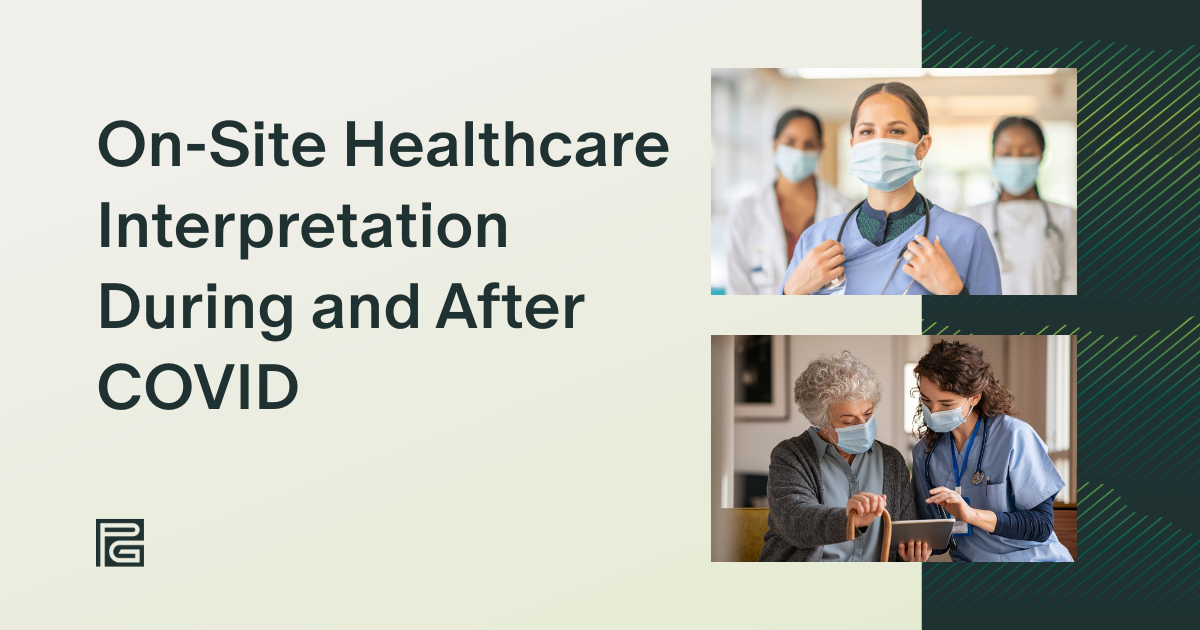
On-Site Healthcare Interpretation During and After COVID

COVID-19 impacted every industry in some way, but the healthcare industry was forced to reshape. Interpreters in medical facilities were particularly impacted by the COVID-19 pandemic.

Traditionally, healthcare interpreters have provided on-site services to facilitate communication between patients and their families, as well as between healthcare professionals of different languages. However, COVID-19 made in-person communication unsafe.

Today, we look at the effects of COVID-19 on healthcare interpretation and how this may continue to change the landscape in the future.


Interpretation in Healthcare

First, let’s briefly review how interpretation is provided and accessed in healthcare.

In general, interpretation can be defined as converting spoken statements from one language to another. In healthcare, interpretation occurs between a patient or their family and different members of the healthcare team.

Patients who are deaf, hard of hearing, or have a limited grasp of English may require the use of an interpreter in order to communicate effectively with their healthcare team. If the patient doesn’t understand what the doctor is saying, they may be unable to make informed decisions about their care.

This miscommunication can lead to poorer health outcomes and a greater risk of complications. Likewise, if the doctor is having trouble understanding the patient’s symptoms or concerns, it can lead to misdiagnosis or delayed treatment.

Virtual Meetings and Events

Interpretation plays a vital role in virtual meetings and events, including functions such as training sessions, webinars, or conferences. While COVID-19 continues to cause cancellations of countless face-to-face meetings and events, virtual gatherings have become part of the “new normal”.


How Has COVID-19 Impacted Interpretation?

As mentioned earlier, one of the most significant changes we faced during COVID-19 was the challenge of on-site interpretation due to the need for social distancing and enhanced safety protocol at hospitals and other medical facilities.

This had a significant impact on patients’ quality of care; studies have shown that patients with access to interpretation services have better health outcomes. As the pandemic progressed and cases continued to rise, it became clear that interpretation services were still needed and that on-site interpretation was problematic. The predicament led to a shift towards virtual interpretation, which can be accomplished in three ways:


1. Over-the-Phone Interpretation (OPI)

Over-the-phone interpretation (OPI) is a common and convenient way to access interpretation services. It can be used for both scheduled and on-demand interpretation needs. With OPI, the interpreter is connected to the call via a three-way call, and they interpret what is being said between the parties on the call.

While OPI is an excellent option for many situations, it does have its limitations. For example, it may not be ideal for longer conversations or more complex topics because it can be challenging to keep track of who is saying what. Other tricky situations in which OPI may not be ideal include when one person cannot access working phones, or when a patient is hard of hearing.


2. Video Remote Interpretation (VRI)

The most popular type of virtual/remote interpretation is video remote interpretation (VRI). VRI uses video conferencing technology to connect the interpreter with the parties on the call. It allows for more natural interaction, as everyone can see each other and use body language and other nonverbal cues.

VRI is a good option for most situations, but legislation sometimes gets in the way. For example, patient-doctor confidentiality might be violated if the interpretation occurs on an unencrypted platform video conferencing platform — though some platforms like Zoom are taking the initiative to implement HIPAA modules for improved safety. It’s important to work with an interpretation provider who understands the regulations surrounding confidentiality when interpreting within healthcare.


3. Remote Simultaneous Interpretation (RSI)

Remote simultaneous interpretation (RSI) is the most advanced form of virtual interpretation. It uses specialized equipment and software to allow the interpreter to interpret in real-time without delay.

This is the closest you can get to having an on-site interpreter without actually being in the same room. RSI is ideal for events like conferences or webinars, where there are multiple speakers and a large audience.

It works by streaming the event’s audio to the interpreter, who then interprets it and streams their interpretation back to the audience.


What Are the Long-Term Outcomes of On-Site to Virtual Interpretation in Healthcare?

The answer to that question lies on a spectrum of pros and cons. On the one hand, the pandemic has forced the healthcare industry to explore new technologies and ways of working that could have lasting positive impacts. The challenges posed by COVID-19 have highlighted pre-existing problems that need to be addressed, including the use of family members as ad hoc interpreters, and even the use of minors under 18 years old as interpreters, which is illegal.

On the other hand, the pandemic has also created new challenges and put additional strain on an already overburdened healthcare system. There are pros and cons to both on-site and virtual interpretation in healthcare. Let’s take a look at some of the key points to understand the debate a little better.


What Advantages Does Virtual Remote Interpretation (VRI) Have?

While on-site interpretation is preferred in some cases, VRI has many advantages.


Accessibility

With VRI, you get extra value for the service thanks to the on-demand availability of interpreters. Unlike on-site interpretation, VRI allows people of all linguistic backgrounds to access interpreters who speak the languages they need. Even if that interpreter is across the globe, VRI makes it possible to ensure patients in need always have interpretive services available.


Cost

One advantage of VRI is that it is more cost-effective than on-site services. You don’t have to pay for the interpreter’s travel expenses, and they can often work from home. This can be a considerable saving for healthcare businesses, especially if you need to use interpretation services regularly.


Flexibility

Another advantage of VRI is that it is more flexible. It is easier to quickly find an interpreter who speaks your language when you are not restricted to those who live near you. That’s a big advantage for less common languages or businesses that need to use interpretation services on an ad-hoc basis. In areas where there is a shortage of interpreters, VRI can be a lifesaver. It can also provide interpretation services outside of regular office hours.


COVID-19 Safety

Patients with weakened immune systems are at a higher risk for contracting COVID-19—cancer patients, those receiving dialysis, and organ transplant recipients. For these patients, even a short hospital stay can be dangerous.

Many have elected to receive treatment at home instead, where they can minimize their exposure to the virus. This exodus has heightened the need for VRI in the healthcare industry, as it makes providing interpretation services while maintaining social distancing all the more possible.


Shorter Wait Times

The staff shortage plaguing the healthcare industry is another factor that has led to an increase in the use of VRI. With fewer staff members on hand, patients are often left waiting for long periods of time.

This can be frustrating and even dangerous for those who need urgent care. For example, if you only have one Spanish interpreter on-site in the hospital and several Spanish-speaking patients need interpretation services, the wait time for each patient will be significantly increased.

VRI can help to alleviate this problem by providing remote professionals, according to demand.


When is On-site Interpretation Preferred?

There are a few cases in which on-site interpretation is still the best option. These situations usually arise when the topic of discussion is very sensitive; for example, when a patient is receiving a terminal diagnosis and precise interpretation is needed. In these cases, on-site interpretation helps the interpreter maintain the patient’s attention and provide an accurate interpretation.

There are also cases where the use of video conferencing technology is not possible or practical. For example, if a patient is in a rural area with poor internet connectivity, VRI might not be possible.


How To Choose the Right Interpreter

If you’re in need of interpretation services in healthcare, choosing the right interpreter is essential. Here are a few tips:


Seek Accreditation

First, make sure that the interpreter is qualified and experienced. They should be familiar with medical terminology and the specific needs of healthcare interpretation. Medical jargon can be difficult to understand, even for experienced interpreters. So, it’s important to choose a trained and competent interpreter and, ideally, one who has a medical interpretation certification.


Look at the Virtual Setup

If you go the digital route, take a look at the virtual setup. Is the interpreter using high-quality equipment? Do they have a good internet connection? These factors can impact the quality of the interpretation. Make sure that the interpreter is comfortable with technology, and that the technology is easy for the healthcare staff and/or patients to use too.


Consider Your Needs

Finally, think about your specific needs. Maybe you’re short a few interpreters in specific languages, or perhaps you’re looking for interpreters who can work odd hours. Alternatively, you may want to back up your existing services.

For example, if you need interpretation for a Deaf patient, you’ll want to make sure that the interpreter is competent in sign language. Likewise, if you’re using VRI in a mental health setting, you’ll want to choose an interpreter who is experienced in discussing sensitive topics and handling crisis situations virtually.


The Future of Healthcare Interpretation

As the healthcare industry continues to grapple with the challenges posed by COVID-19, Virtual Remote Interpretation will help bridge the communication gap to improve the quality of care for patients all over the world.

While many healthcare providers were already providing a hybrid approach combining both on-site and VRI, we are likely to see an even greater uptick in on-site and VRI being used side-by-side to provide the best possible interpretation services. Quick and easy appointments with a remote interpreter could be used to supplement the more serious on-site appointments that are currently being used.


Piedmont Global: Healthcare Interpreters That Truly Understand Your Needs

Piedmont Global provides high-quality on-site or VRI services. We have a team of experienced and qualified interpreters who are trained to meet the specific needs of healthcare interpretation.

Additionally, we offer translation services for medical documents. This can come in handy when you need to translate a patient’s medical history, insurance information, patient portal, or patient app. We bring to the table:

  • Over 200 languages
  • A large team of interpreters
  • Prestigious awards and recognition
  • Interpretation services
  • Translation services
  • Language training

COVID-19 has had a significant impact on the interpretation industry. On-site interpretation was no longer safe during the first waves, and virtual arrangements became the new norm. The shift to virtual interpretation has led to some challenges, but it has also opened up new opportunities. With Piedmont Global, you can capitalize on those opportunities. Get in touch with our team to learn more.

How Does ‘Gender Neutral’ Work in Different Languages?

The modern digital age has brought many new challenges, but it has also increased the speed and breadth of cultural change on a global scale like never before. While cultural and linguistic patterns are constantly evolving, the kind of monumental shift such as the complete gender neutralization of language would conceivably take hundreds (if not thousands) of years. Yet today, changing attitudes and a thirst for activism has mobilized younger generations to influence change within a few short decades. From the rise of feminism demanding less sexist language to the continuing LGBTQI+ civil rights movement highlighting the need for more inclusivity, languages around the world are beginning to address gender neutrality as it relates to language.


Spanish

As with many other languages, Spanish is gendered in its nouns and pronouns. Nouns have masculine and feminine forms—“el” for male and “la” for female. The usage depends on the context. The addition of “@” or “x” to denote linguistic inclusivity has become most prevalent within American Spanish-speaking communities. After Mexico, the US is home to the second largest Spanish-speaking population anywhere in the world. Here in the States, it is the younger generation driving social and linguistic change. The term “Latinx” is most often preferred as a more “gender-neutral” form of “Latino/Latina.” The trend is continuing to spread among younger Spanish speakers in other regions, too. Primarily through social media platforms like TikTok and Instagram, younger and more progressive populations in Latin America are also beginning to refer to their friends as “amix” rather than ‘amigo’ or ‘amiga’, making similar stylistic changes more likely to gain popularity as time goes on.

The most notable case of this shift is in Argentina with school-aged children favoring a genderless “e” over masculine or feminine word forms in their school writings. Even news media have moved towards more inclusive language in their reporting. Recently, one young person was questioned about their use of neutral language during a televised report. However, usage of these emerging terms is not yet widespread by any measurement. Unless communities agree to universally demand the change, it’s unlikely that this linguistic change would become the norm.


English

As the most used language on the internet, and heavily favored by world media, English could be considered the language that kickstarted gender neutral language trends. English syntax lacks gendered verbs and, for the most part, nouns are largely genderless. This allows a move towards gender neutral language with relative ease. English speakers’ cultural shift towards gender inclusivity predates social justice movements, such as the call or LGBTQI+ gender language neutrality.  To combat sexism and promote equality, previously gendered terms such as ‘‘actress’ have been dropped in favor of the male term ‘actor’ to refer to all genders. Many terms that were traditionally gendered such as “congressman”, “policeman,” and even “mankind” have been replaced with the more gender inclusive denotations of “legislator”, “police officer” and “humankind”.

A cultural example of this can be seen in the reworking of a famous Star Trek Mantra. The highly recognizable phrase “where no man has gone before” has become “where no one has gone before”. However,  although pronouns like “he” and “she” are sometimes replaced with neutral forms of “them”, “they” or even “it” (among many other iterations), there remains disagreement in the practicality of the usage of plural pronouns in place of singular as well as disagreement among English speakers as to what constitutes ‘official’ new language terms. While such disagreement will probably continue, it seems unlikely the demand for less gendered language will disappear any time soon.


Swedish

In the Swedish language, the noun ‘’hen’’  has come into use as an alternative for the words ‘’han’’(he) and ‘’hon’’(she), inspired by the gender neutral Finnish word ‘’han’’ (he/she). In the early 2000s, the LGBTQI+ community and some academics began using it to describe both binary and non-binary individuals alike. It gained popularity after being used in the children’s book Kivi and the Monster Dog; this usage inspired a Swedish magazine to release a whole issue using only “hen”. Despite Sweden’s largest newspaper vowing to never use the term along with the Swedish Language Council telling everyone to avoid using it, the word “hen” was subsequently added to the dictionary in 2015. The council has since changed its official position to ‘’use the term with care’’.


German

German is one of the most difficult languages in which to incorporate gender neutrality with four cases and grammatical gender applying to every word. This creates an obvious barrier to introducing new pronouns. Though challenging, this hasn’t stopped the progression of gender neutral language; the addition of underscores(_) or asterix(*) are used to include all genders in a written phrase. One might also write ‘’liebe Nachbar_innen/NachbarInnen or Nachbar*innen’’ instead of the masculine ‘’Nachbarn’’ or the feminine ‘’Nachbarinnen’’. In an effort to get around grammatical issues, speakers also convert certain nouns to verbs changing “thanks to all visitors” to ‘’thanks to everyone who visited’’ for ease.


French

In French, while ‘they’ traditionally translates to ‘’ils’’ (which refers to male and ‘’elles’’ for female),  the pronoun ‘’iel’’ is used to refer to a non-binary person. Similarly, normally masculine words end in consonants while feminine words have an additional vowel added to the end (usually e), the inclusion of a dot between the consonant and the vowel is used to include all genders.  For instance, while ‘’neighbor’’ would have to be either ‘’un voisin’’ or ‘’une voisine’’ depending on gender, one might use ‘’un.e voisin.e’’ as a gender neutral alternative.


Arabic and Hebrew

Semitic languages present a far more complex environment for gender neutral language. Most of the aforementioned languages have usable, if debated, genderless pronouns and verbs. Since the default language used in Arabic is masculine, any move towards gender inclusivity presents a challenge for Arabic speakers. However,  some younger,  less traditional Arab communities are making an effort to create more gender neutral language patterns. While terms such as “huma” or “antuma” do exist to refer to non-binary people, this is not as widely used as in other languages.


The Role of Translation Services

The solemn duty entrusted to the global translation industry is not to create new words, but to facilitate communication between groups of people and societies. e. In other words, our role is not merely to translate, but to break down language barriers. The importance of accurate translation can never be overstated, from legal translations to medical interpreting and of course the translation of vital public health information. However, proper localization is absolutely necessary to preserve the intended meaning for new language recipients. This is why professional translators must be both native speakers and deeply culturally knowledgeable of the languages they work with. This becomes especially important when considering gender in language.

Language places great influence on the attitudes and culture of native speakers. Translators will tell you that word choice is heavily dictated by the local target audience, with the potential for even a simple phrase in one language to be a huge faux pas in another. This provides linguists with an interesting task, to deduce when and how, if ever, to employ the use of new, sometimes controversial gender neutral terms in translation services. While the language industry considers language preservation incredibly important, it’s also crucial that we remain flexible and responsive to how world languages and cultures continue to evolve. With any translation, the goal is to translate the message clearly from source to target language. Get in touch with our team to learn more about our translation services.

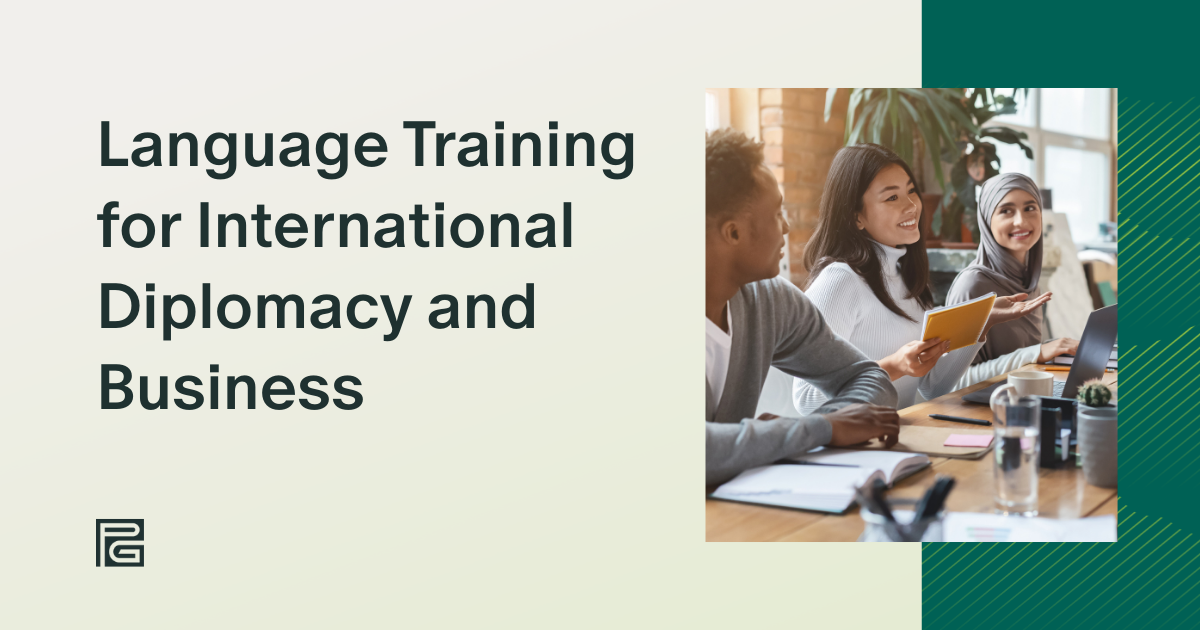
Language Training for International Diplomacy and Business

Language and Cultural Competence—Essential Elements for Effective Communication

“If you talk to a man in a language he understands, that goes to his head. If you talk to him in his own language, that goes to his heart.”


The Business of Language

The languages that we learn are more than just means of communication. Using only words, diplomats can start a war or end a hostage negotiation. Business leaders can create their vision of the world and persuade their counterparts across the boardroom table to invest in it. The Diplo Foundation, a non-profit foundation established by the governments of Malta and Switzerland, writes that this understanding of language as action, known as the Speech Act Theory, “is significant for diplomacy, since it confirms that diplomatic interventions and communications are not just a means to an end, but may be ends in themselves.”2

The same lessons must be applied in the increasingly interconnected world of international business, where language skills have proven to be just as important. Fundamentally, diplomats and business leaders “act on the world through language. It is therefore important to understand what exactly they are doing by means of the language they use.”3


Lack of Bilingualism in the US

Unfortunately in the US, when language training is mentioned, most people think back to everything that they have forgotten from their high school Spanish class. While experts estimate that approximately half of the human race is bilingual, only 20% of the American population is able to converse in two or more languages. In an online live panel discussion with The Guardian, Bill Rivers, Executive Director for the US Joint National Committee for Languages, accurately summarized the unique relationship that the US has with foreign languages: “We’ve a cultural tendency to look for quick solutions.”4

Despite today’s globalized society, there are still many factors that contribute to the lack of bilingualism here in the US, Relying too heavily on outdated foreign language workbooks, for instance, or on neural machine translation software can land you in hot water if you’re not careful. Effective, responsible language learning requires a program administered by language professionals who ensure you learn appropriate language skills coupled with poignant cultural references. If we refuse to change our monolingual attitude and fail to invest in professional language training, we will be left behind. We can no longer afford to employ these quick solutions — the stakes are just too high.


The Push for Language Training in the US — Lessons from our Past

On February 14th, 1979, Adolph “Spike” Dubs, the American Ambassador to Afghanistan was kidnapped in Kabul. He was held hostage in room 117 of the Kabul Hotel where he was ultimately killed in a 40-second shootout between the hostage-takers and the Afghan police who were acting under the direction of the Soviet embassy. As author Paul Simon wrote in his book, The Tongue-Tied American: Confronting the Foreign Language Crisis : “Before the tragic slaying, so the Washington Star reports: ‘[U.S.] Embassy officials had a brief chance to seize the initiative because they reached the hotel before Afghan police. But no one in the American party spoke fluent Dari or Pashto, the two most widely used Afghan languages, or fluent Russian.’”5

The primary function of diplomacy is communication between nations. According to the US Department of State (DOS), foreign service employees “represent the American people, advocate U.S. interests to the rest of the world and are America’s first line of defense in a complex and often dangerous world.”6 As such, language training should be seen as the most essential part of international diplomacy and international business.  “Diplomats engage in negotiations, persuasion, presentation, and communication, all of which necessitate language skills for the effective conduct of diplomatic work.”7 How can one advocate for the nation’s interests or negotiate for a preferred outcome without the basic ability to communicate across language and culture? The challenges of the 21st century require multilateral cooperation on multiple fronts — from climate change and environmental crises, to global pandemics and shocks to our interconnected economies. Without a multilingual approach, we will continue to talk past others, we will continue to fail, and will remain doomed to repeat the past.


US DOS Perspective: The Role of Language in Diplomacy

The US DOS’ perspective on the role of language in diplomacy has been evolving since the turn of the century. Dr. Gail McGinn, Senior Language Authority at the Department of Defense “recently noted the need to dramatically increase the number of personnel proficient in key languages such as Arabic, Farsi and Chinese to meet the expanding requirements for language and understanding of foreign cultures.”8 Additionally, Ruth A. Whiteside, the former director of the Foreign Service Institute, wrote in a 2008 article titled American Diplomacy and the Foreign Language Challenge:9


Language Training and Cultural Competence

Language training is more than simply learning the right words to say. It is about how we connect to others who come from a different part of the world. Language training for international diplomacy and business must take into account the cultural context of the language. In order for diplomatic training to be effective, former British diplomat Charles Crawford asserts: “Diplomats ought to know a little about the top 20 writers, poets, sports people, books, pop songs, legends, famous history moments, swearwords, jokes etc in any country they are going to.”10 This cultural competency ensures that, as British Foreign Secretary William Hague put it, diplomats and business leaders will be able to “get under the skin of a country and really understand its people.”11

In psycholinguistics, the Sapir-Whorf Hypothesis posits that the language spoken by an individual plays an important role in shaping her thoughts and actions. A significant part of learning a language involves changing the way our minds work, expanding them to include new perspectives and a new understanding of the world. If they are not careful, organizations might invest in language training that does not necessarily take the cultural context into account. It is only through intensive language training and cultural immersion that one can begin to understand the way that others think, and it is only through that understanding that we can truly break down barriers.

The following reflection of an American interpreter during his ACTFL-certified training for the Peace Corps demonstrates the need for cultural competence in language training:

During our 10-week intensive language training in Panamá, we covered cultural ideas like locus of control in collectivist vs. individualist cultures. In the latter, people believe that the individual is ultimately in charge of their own destiny, while in the former, the commonly held belief is that most things are outside of our control. I understood this concept intellectually, but there are some things that have to be experienced firsthand to be fully understood. In the afternoon, I would visit the house of one of my community counterparts, Marcelino Alabarca. We would drink coffee and engage for hours in small talk. Each day, I would attempt to schedule a time the following morning to work on his coffee farm. “Si Diós quiere,” he would respond (translated as “God willing”). After hearing this for several days without any follow through, I became frustrated. So, taking matters into my own hands, I came down to Marcelino’s house the next morning, ready to work. Marcelino sighed, “You want to go to the farm? Alright, let’s go.” “Great! I’m finally making progress!”, I thought to myself. However, when we arrived at the river, Marcelino looked at me knowingly. It had rained the previous night and the river had swollen its banks. The turbid water rushed rapidly over the stepping stones leading to the other side. There was no way to cross safely. “Si Diós quiere,” he chuckled. I learned my lesson that morning as we returned to Marcelino’s house for another cup of coffee.*

Language Service Providers (LSPs) that offer language training have an intimate understanding of the world of diplomacy for governments and international business communication. For this reason, they play a vital role in language training for diplomacy. Piedmont Global is a Strategic Globalization Organization that understands the importance of cultural competency and the critical need for specialized language training for international business.


Piedmont Global — Language Preparation for Diplomats and International Business Leaders

Piedmont Global has the experience and understanding necessary to adequately prepare diplomats and international business leaders for the challenges of our interconnected world. We have a longstanding partnership with the Defense Language Institute (DLI), the Department of Defense’s premier school for culturally-based foreign language training. We also have a longstanding partnership with the US DOS’ Foreign Service Institute (FSI), in which we train embassy staff before they are sent overseas. But our work is by no means limited to the public sector. We have extensive experience with numerous multinational corporations designing and implementing orientation and language immersion programs for new employees.

Piedmont Global offers language training in several signed languages as well as in more than 200 spoken languages, including Arabic, Chinese, Farsi, Dari, Hindi, Urdu and others deemed to be of critical-need by the US DOS. Additionally, Piedmont Global has followed the US DOS’ lead by “expand[ing] and enhanc[ing] language and area training to more advanced levels including focused targeted in-language media training and other job-specific modules designed to meet the needs of the 21st century foreign affairs professional.”12 This extensive experience has enabled us to rise to the top of elite language training programs in the US, offering a growing and robust language training program both on-site in Arlington, Virginia and online throughout the country.


Piedmont Global and ACTFL

As an active member of the American Council for the Teaching of Foreign Languages (ACTFL), we fully support the council’s advocacy for legislation that earmarks funding for the expansion of public school foreign language programs. It is vital that our children begin learning new languages at a young age if they are to achieve fluency. ACTFL proficiency guidelines remain the gold standard for understanding language fluency. Speakers at the Distinguished level demonstrate the ability to “reflect on a wide range of global issues and highly abstract concepts in a culturally appropriate manner. Distinguished-level speakers can use persuasive and hypothetical discourse for representational purposes, allowing them to advocate a point of view that is not necessarily their own… often using cultural and historical references to allow them to say less and mean more.”13 It is important to note that, as Matthew Rycroft, CEO of the U.K.’s Foreign and Commonwealth Office, pointed out, “however good diplomats are at languages, they will never be as proficient as native speakers.”14 This is a basic fact of language learning — no matter how hard you try, you can never fully get rid of your accent.

Overall, it is more important for diplomats and business leaders to have functional language skills rather than complete fluency. Speakers at the Advanced level of the ACTFL proficiency scale “engage in conversation in a clearly participatory manner in order to communicate information on autobiographical topics, as well as topics of community, national, or international interest… These speakers can also deal with a social situation with an unexpected complication.”15 Unexpected complications are commonplace in diplomatic and business settings, and the ability to stay flexible under pressure is vital. International counterparts will appreciate the effort being made to address them in their native language. Reaching across the language barrier shows a basic respect for our common humanity — refusing to make the attempt, however, reinforces cultural stereotypes about the Anglophone superiority complex, limiting and quite possibly damaging international relations.

In business as well as in diplomacy, multilateral solutions require a multilingual commitment. Invest in language training with Piedmont Global and rise to meet the challenges of an interconnected world.

Reach out to learn more about our language training solutions.


References

1 de Galbert, Pierre. “My Favorite Nelson Mandela (Mis)Quote.” Scholar.harvard.edu, 18 Feb. 2019, scholar.harvard.edu/pierredegalbert/node/632263

2, 3, 7 “Language and Diplomacy.” Language and Diplomacy | DiploFoundation, 2020, www.diplomacy.edu/language

4, 10, 14 Codrea-Rado, Anna. “Languages, Diplomacy and National Security: Five Key Issues.” The Guardian, Guardian News and Media, 5 Dec. 2013, www.theguardian.com/education/2013/dec/05/languages-for-diplomacy-key-points

5 Kuner, Christopher B. “Linguistic Equality in International Law: Miscommunication in the Gulf Crisis.” View of Linguistic Equality in International Law: Miscommunication in the Gulf Crisis, 1991, journals.iupui.edu/index.php/iiclr/article/view/17377/17505

6 “Who We Are – Careers.” U.S. Department of State, U.S. Department of State, 14 Feb. 2020, careers.state.gov/learn/who-we-are/

8, 9, 12 Whiteside, Ruth A. “American Diplomacy and the Foreign Language Challenge.” Council of American Ambassadors, 2008, www.americanambassadors.org/publications/ambassadors-review/fall-2008/american-diplomacy-and-the-foreign-language-challenge

13, 15 “ACTFL Proficiency Guidelines 2012”  American Council for the Teaching of Foreign Languages, 2012, www.actfl.org/resources/actfl-proficiency-guidelines-2012

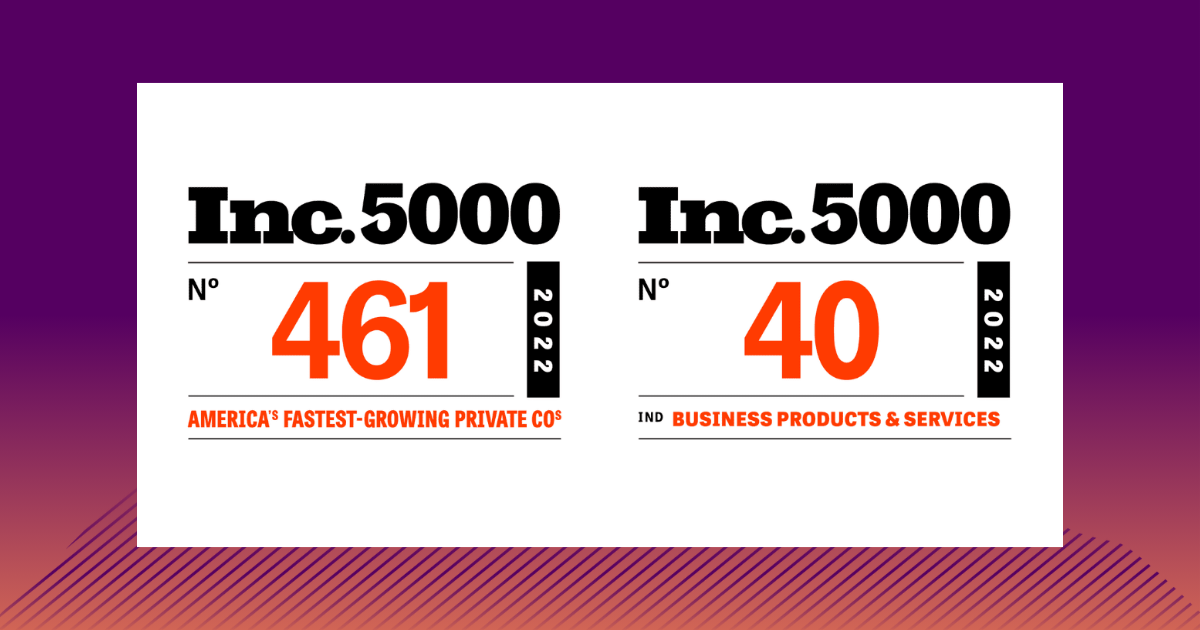
PGLS Ranks No. 461 on the 2022 Inc. 5000 Annual List

Among America’s Fastest Growing Companies, PGLS Ranks No. 461 Overall and No. 40 in the Business Products and Services Industry

Inc. revealed that PGLS ranked in the top ten percent at No. 461 on the annual Inc. 5000 list, the most prestigious ranking of the fastest-growing private companies in America. The list represents a one-of-a-kind look at the most successful companies within the economy’s most dynamic segment—its independent businesses. Some of the most well-known businesses in the world gained their first national exposure as honorees on the Inc. 5000. With more than 1300% growth, PGLS ranked No. 40 in the business products and services industry and No. 14 in Virginia.

“It is an incredible honor to be represented on the Inc. 5000 list. Although this recognition represents years of hard work and dedication, it also marks the beginning of a new chapter for our company. Our team’s dedication to our mission inspires innovation, facilitates growth, and empowers us to help to bridge communication gaps around the world every day.”

The companies on the 2022 Inc. 5000 have not only been successful, but have also demonstrated resilience amid supply chain woes, labor shortages, and the ongoing impact of COVID-19. Among the top 500, the average median three-year revenue growth rate soared to 2,144 percent. Together, those companies added more than 68,394 jobs over the past three years.

Complete results of the Inc. 5000, including company profiles and an interactive database that can be sorted by industry, region, and other criteria, can be found at inc.com/inc5000. The top 500 companies are featured in the September issue of Inc. magazine, which will be available on August 23.

“The accomplishment of building one of the fastest-growing companies in the U.S., in light of recent economic roadblocks, cannot be overstated. Inc. is thrilled to honor the companies that have established themselves through innovation, hard work, and rising to the challenges of today.”

PGLS is a leading provider of global language and business solutions dedicated to unlocking the full potential of communication – empowering our clients to achieve growth, enhance experiences, and transform information into actionable insights. Committed to innovation and excellence, PGLS offers a range of services designed to meet the evolving needs of our diverse clientele. From language and communication solutions to market intelligence, staff augmentation, and growth advisory, PGLS is redefining the landscape of global business and communication, empowering organizations to succeed in a dynamic world. 
Empowering Deaf and Hard of Hearing Communities

Effective ASL Communication for a More Inclusive Society

“The soup of the day is a French Onion Soup, and the chef’s special is Steak Tartare. How does that sound to you, ma’am?” The waiter locked eyes with his mother, who had been nodding along absent-mindedly. The spotlight was on her now, and her smile faded. “What?” She replied, “Oh, don’t worry, someone will have to explain it to me.” She replied.

Cullen’s mother is almost completely deaf due to Meniere’s Disease, an imbalance of fluid in the inner ear that causes hearing loss and vertigo. She gets by with the help of hearing aids and lip reading. She can understand the tones of some people’s voices, but some are out of her audible range, like Cullen’s sister voice when she gets really upset. Cullen’s mother is one of the millions of Americans affected by severe hearing loss and she often finds herself in situations like this.1

The Deaf and Hard of Hearing communities are extremely diverse with wide variation in the degree and cause of hearing loss. According to the National Institute on Deafness and Other Communication Disorders (NIDCD), about 15% of adults in the US report some trouble hearing. The largest cause of hearing loss is aging, with 33.2% of those surveyed listing getting older as the primary cause of hearing loss. About 4.7% of those who had trouble hearing were born with complete hearing loss. The CDC conducts extensive research on deafness as a medical phenomenon. However, the broad range of different cases reported calls for follow-up research on how best to communicate with the different segments of the population. Each of these groups experiences their hearing loss differently and should receive the individualized help that they need and deserve.


American Sign Language (ASL) Data in the US

If you study the United States Census Bureau’s findings released in October 2015 that summarize languages spoken in the home, you will learn a great deal about the linguistic and cultural makeup of the nation. For example, there are 166,826 people in the US who speak Navajo in the home, and 708,966 people whose first language is Italian. One thing you will not learn, however, is how many people in the US communicate primarily using American Sign Language (ASL).

Shockingly, the United States Census Bureau does not collect language data on the nation’s Deaf and Hard of Hearing communities. In fact, according to Mitchell et al. of Gallaudet University (the premier university for Deaf and Hard of Hearing communities), the most commonly-cited number for the population of ASL speakers (408,000) comes from the 1974 National Census of the Deaf Population (NCDP). Although deeply flawed, and woefully outdated, the 1974 NCDP remains the only large-scale study ever conducted on the signing abilities of the Deaf and Hard of Hearing communities in the US.


The Marginalized Deaf and Hard of Hearing Communities

One factor that contributes to this dearth of demographic data is that the nation fails to recognize the distinction between deafness as a medical condition and the use of ASL as a linguistic and cultural phenomenon. It is not commonly understood, for instance, that the overwhelming majority of deaf and hard of hearing people who lose their hearing later in life choose not to learn American Sign Language, while many hearing family members of people who are deaf grow up learning to communicate fluently in ASL. However, the biggest reason that limited reliable (and current) data exists for the ASL community might be that the nation as a whole, has traditionally chosen not to study it.

Although the US does not actively study ASL as a linguistic phenomenon, the 2014 Centers for Disease Control/National Center for Health Statistics (CDC/NCHS) National Health Interview Survey does reveal interesting information collected from individuals who are either deaf or experience varying degrees of hearing loss.


Federal and State Laws

Despite the lack of research into the use of ASL, the federal government has gone to great lengths in its efforts to support the Deaf and Hard of Hearing communities. In fact, a 2016 report funded by the US Department of Education noted that 7.1% of deaf and hard of hearing individuals are employed by the government, military, and related administration offices. The federal government also hires full-time staff as well as contractors to support deaf and hard of hearing employees.

The Americans with Disabilities Act (ADA) further strengthens these efforts by mandating that “title II entities (State and local governments) and title III entities (businesses and nonprofit organizations that serve the public) must communicate effectively with people who have communication disabilities.”2 The goal is to ensure that communication with Deaf and Hard of Hearing communities is equally as effective as communication with all others. However, the key to effective communication is first understanding the diverse needs of Deaf and Hard of Hearing communities. Thankfully, the ADA lists various auxiliary aids and services that must be provided when necessary including the use of Computer Assisted Real-Time Transcription (CART) services, Video Remote Interpreting (VRI), and in-person ASL interpreters.


The Challenges We Face as a Society

Despite these well-intentioned government regulations, the millions of Americans with hearing loss and the estimated 408,000 who primarily communicate using ASL are too often overlooked by – or seen as a burden on – the hearing society. What we fail to realize is that when we marginalize the Deaf and Hard of Hearing communities, society at large suffers in various ways including negative impacts to the healthcare system and to the economy at large.

In an article written for the National Institutes of Health (NIH), Annie G. Steinberg, MD, et al. found that deaf people continue to report difficulties accessing health care even after the passage of the ADA in 1990. Deaf and hard of hearing individuals reported that “communication difficulties were ubiquitous” and that “fear, mistrust, and frustration were prominent in participants’ descriptions of health care encounters.”3

Healthcare Reluctance

  • The reluctance to engage in preventative health care due to fear of a visit to the doctor’s office can have deleterious effects on overall healthcare costs. This is especially true when patients wait until they experience an emergency to seek help. According to the American Psychological Association (APA), the barriers faced by the Deaf and Hard of Hearing communities “directly translate to inadequate assessment, limited access to treatment, insufficient follow-up and poorer outcomes. For example, in the deaf population compared with the hearing population there are lower rates of individuals accessing preventative services, worse cardiovascular health outcomes and higher rates of obesity.”4
  • In their 2016 report Deaf People and Employment in the United States, the National Deaf Center (NDC) underscores the economic disparities that are experienced by deaf people. Only 48% of deaf individuals are employed, compared to 72% of hearing individuals. However, the most fascinating aspect of this study is that deaf individuals who are actively in the labor force have similar rates of part-time and full-time work and earn on average roughly the same as hearing individuals, with deaf individuals earning on average $52,650 per year and hearing individuals earning $52,980. When we eliminate the barriers to entry caused by the marginalization of Deaf and Hard of Hearing communities, deaf individuals can succeed and contribute fully to society.


An Inclusive Society is a Prosperous Society

In an article for Greater Good Magazine, Katherine Phillips, professor of leadership and ethics at UC Berkeley, states that “the first thing to acknowledge about diversity is that it can be difficult.”5 However, as individuals and as a society, the only way that we learn and grow is by challenging ourselves and breaking free of our comfort zones. “Diversity enhances creativity,” Phillips continues, “it encourages the search for novel information and perspectives, leading to better decision making and problem solving.

Diversity can improve the bottom line of companies and lead to unfettered discoveries and breakthrough innovations. Even simply being exposed to diversity can change the way you think.” Through the inclusion of Deaf and Hard of Hearing communities, we can broaden our perspective as a society and find innovative solutions to intractable problems. Here are some effective ways organizations can help to close the communication gap and create a more inclusive experience for all.


ASL

The National Institute on Deafness and Other Communication Disorders defines ASL as “a complete, natural language that has the same linguistic properties as spoken languages, with grammar that differs from English.” The Institute goes on to explain that “ASL is expressed by movements of the hands and face. It is the primary language of many North Americans who are deaf and hard of hearing, and is used by many hearing people as well.”6


VRI

Video Remote Interpreting, or VRI, is a type of sign language interpreting offered by an interpreter who typically uses a headset to hear what the hearing person is saying. “As the hearing person speaks, the interpreter signs everything said to a web camera.”7 The person who is deaf or hard of hearing can then sign back via the camera, allowing the interpreter to voice the interpretation back to the hearing individual.


CART

Communication Access Real-time Translation, or CART, enhances communication for deaf and hard of hearing individuals. As the CART operator types spoken words in shorthand into a specialized machine, the machines’s software converts this shorthand into standard English resulting in almost simultaneous captions. These captions are then projected onto a screen or sent to a recipient’s computer or smartphone.

By removing barriers for Deaf and Hard of Hearing communities, we ensure equitable access to health care and better health care outcomes for all. We increase participation in the labor force, giving everyone a chance to share their strengths and build a better society, and we also challenge ourselves to learn from diverse perspectives. As a society we must begin to understand that we only rise when we rise together.

Fortunately, Piedmont Global understands the importance of effective communication and the benefits of building a stronger, more connected community. Our expertise and years of experience offering professional language services for the Deaf and Hard of Hearing communities has positioned us as a strong advocate for a more inclusive and innovative society.


The Piedmont Global Multifaceted Approach to Language Services for the Deaf and Hard of Hearing Communities

Piedmont Global takes a multifaceted approach to services for the diverse Deaf and Hard of Hearing communities All of our professional ASL interpreters have many years of experience, are certified by the top accreditation organizations, such as the Registry of Interpreters for the Deaf (RID), and National Interpreter Certification (NIC), and have additional specialized training in a variety of fields.

Piedmont Global is honored to regularly assist deaf and hard of hearing individuals at the VA Medical Center in Washington, DC. ASL interpreters can be provided both in-person or through Piedmont Global’s VRI services, a simple, reliable and cost-effective solution to meet both spoken and sign language interpretation needs. Additionally, Piedmont Global offers world-class CART services, available both on-site and remotely. Also known as ‘“real-time captioning”, CART is the system that converts speech to text, used by court reporters, closed captioners, voice writers, and others to provide language access to the Deaf and Hard of Hearing communities.

The National Court Reporters Association (NCRA) describes CART services as “the instant translation of the spoken word into English text using a stenotype machine, notebook computer and real-time software.”8 These services make an incredible difference in the lives of deaf and hard of hearing individuals, helping them bridge the gap between the hearing and deaf worlds.

Empower Deaf and Hard of Hearing communities by partnering with Piedmont Global. Reach out today, and together, we will shape a more inclusive future for all.


References

  1. Excerpt shared by an experienced Spanish-English interpreter

  2. ADA – Effective Communication (31 Jan. 2014).

  3. Steinberg, Annie G, et al. “Health Care System Accessibility: Experiences and Perceptions of Deaf People.” Journal of General Internal Medicine, Blackwell Science Inc, Mar. 2006.

  4. Pick, Lawrence. “Health Care Disparities in the Deaf Community.” American Psychological Association, Nov. 2013.

  5. Phillips, Dr. Katherine W. “How Diversity Makes Us Smarter.” Greater Good, 18 Sept. 2017.

  6. “American Sign Language.” National Institute of Deafness and Other Communication Disorders, U.S. Department of Health and Human Services, 15 July 2020.

  7. “What Is Video Remote Interpreting?.” University of Washington DO-IT Center.

  8. “Communication Access Realtime Translation (CART).” National Association of the Deaf, 2020.

Additional References

PGLS 2022 Moxie Award Finalist

Piedmont Global Language Solutions (PGLS) is pleased to announce that it was selected as a finalist in the education category for the 2022 Moxie Awards. This prestigious award recognizes companies and organizations in the Washington, D.C. metro area that demonstrate Boldness in Business. The winner in each category will be announced at the 2022 Moxie Award Ceremony & Dinner on October 26, 2022.

“Congratulations to the entire team at PGLS who earned this distinguished recognition. PGLS’s dedication to our mission inspires innovation, facilitates growth, and empowers us to help to bridge communication gaps around the world every day.”

“The Moxie Award program recognizes tenacious organizations that exemplify innovation, growth, and community service. We are excited to share the stories of how the D.C. business community has risen to the challenges of the pandemic and not only survived but thrived. Our 2022 Finalists continue to make D.C. a great place to live and work.”

PGLS’s culture is ambitious, supportive, and bold.  We solve problems faster by sharing insights and knowledge with each other. Our team is talented and driven; always taking opportunities to both teach and learn as we challenge each other.  We celebrate success and recognize those who go above and beyond. At PGLS, every word matters. We embrace that sentiment and use it to leverage language and elevate our clients’ missions.

The 2022 Moxie Award categories include:

  • Business and Professional Services
  • Consumer Services
  • Cybersecurity
  • Education
  • Financial Services
  • GovCon (<50 Employees)
  • GovCon (50-99 Employees)
  • GovCon (100-199 Employees)
  • GovCon (200-299 Employees)
  • GovCon (300+ Employees)
  • Healthcare
  • Nonprofit
  • Nonprofit (20 Employees or less)
  • Real Estate and Construction
  • Software
  • Technology
  • Technology (<50 Employees)
  • Woman-Owned

PGLS is a leading provider of global language and business solutions dedicated to unlocking the full potential of communication – empowering our clients to achieve growth, enhance experiences, and transform information into actionable insights. Committed to innovation and excellence, PGLS offers a range of services designed to meet the evolving needs of our diverse clientele. From language and communication solutions to market intelligence, staff augmentation, and growth advisory, PGLS is redefining the landscape of global business and communication, empowering organizations to succeed in a dynamic world. 
PGLS Named as Finalist for 2022 SECAF Awards

Piedmont Global Language Solutions (PGLS) is pleased to announce that it has been selected as a finalist for the Small and Emerging Contractors Advisory Forum (SECAF) 2022 Government Contractor Awards. Winners will be announced at the 14th Annual SECAF Awards Gala on Thursday, May 5, 2022. The event celebrates SECAF members and other government contracting organizations that have demonstrated a commitment to industry excellence.

PGLS was named a finalist in the category of Government Project of the Year.  This prestigious award is given to recognize the efforts of an exemplary program delivering significant value to the federal government.

“The SECAF Awards give us an opportunity to highlight the small and emerging contractors that are succeeding in our market; along with the people, in and out of government, that are driving our market to success. PGLS exemplifies the successful journey that can result from a commitment to serving the public sector market.”


About The 14th Annual SECAF Awards Gala

The 14th Annual SECAF Awards Gala is the premier commemorative event honoring the small and emerging government contractors and the players in the ecosystem that rely on small businesses. The event will be held at the Awards Gala on Thursday, May 5, 2022.

About The Small and Emerging Contractors Advisory Forum

For more than 20 years, the Small and Emerging Contractors Advisory Forum (SECAF) has empowered government contractors to scale and succeed.  SECAF is comprised of senior leaders from active government contractors and established service providers. Members have access to the connections, events, education, tools, and resources needed to stay on top of industry trends, win government contracts, and experience exponential growth. For more information, visit www.secaf.org.

PGLS is a leading provider of global language and business solutions dedicated to unlocking the full potential of communication – empowering our clients to achieve growth, enhance experiences, and transform information into actionable insights. Committed to innovation and excellence, PGLS offers a range of services designed to meet the evolving needs of our diverse clientele. From language and communication solutions to market intelligence, staff augmentation, and growth advisory, PGLS is redefining the landscape of global business and communication, empowering organizations to succeed in a dynamic world. 
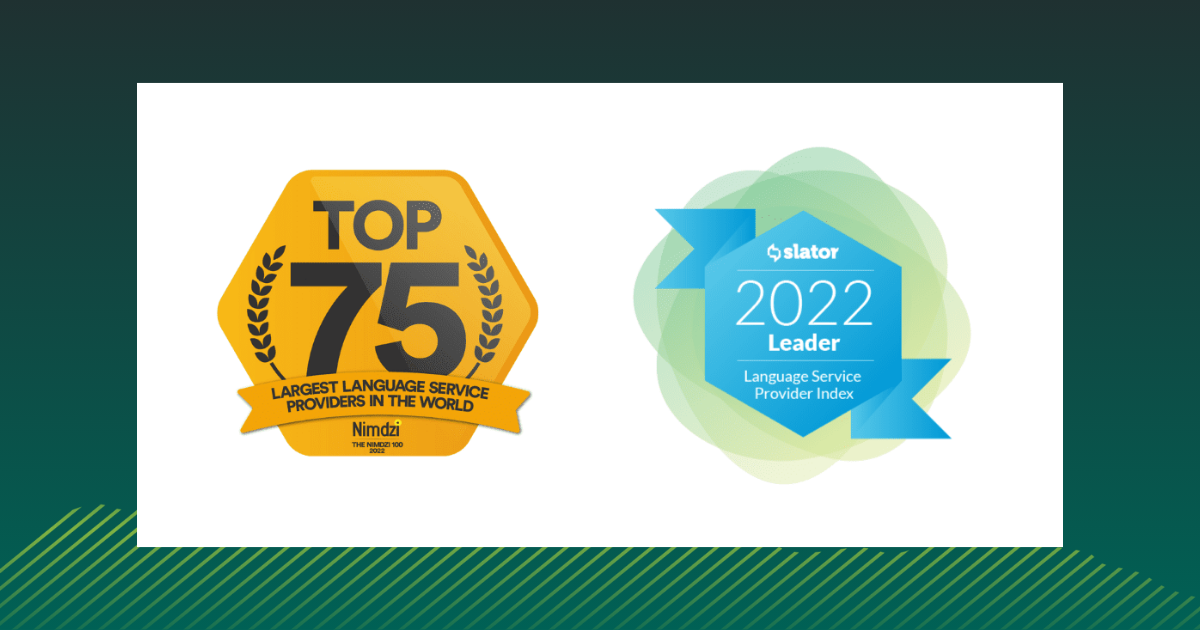
Piedmont Global Language Solutions Ranked as Industry Leader

Slator 2022 LSPI & Nimdzi 100 Released

Piedmont Global Language Solutions (PGLS) makes its debut, appearing on two major industry rankings, the Slator 2022 Language Service Provider Index (LSPI) and the Nimdzi 100 Ranking of Language Service Providers (LSPs). PGLS received the Leader designation, landing in the top 50 on the Slator 2022 LSPI, and ranked in the top 75 on the Nimdzi 100.

At PGLS, every word matters. As an industry leader, we provide unique, innovative, and scalable solutions that advance the global missions and interests of our trusted partners. We are proud to be a minority-owned company making swift progress to improve language access and remove language barriers. We value our important work and are honored by the recognition of our efforts by Slator and Nimdzi.

Slator is a leading provider of news, analysis, and research for the language services industry. The Slator LSPI is a ranking, by order of revenue, and index of the world’s largest LSPs, and segmented into four groups: Super Agencies, Leaders, Challengers, and Boutiques. The 2022 LSPI included more than 300 companies.

Nimdzi is a market research and international consulting company. The Nimdzi 100 concentrates on ranking LSPs with $10 million or more in total revenue (not specific to language services). Nimdzi estimates that the language services industry reached $60.5 billion in 2021, and at a CAGR of 7.0%, is projected to be $84.9 billion by 2026.

“I am thrilled to see the industry growing and grateful for the positive contributions of our PGLS team, clients, partners, advisors, and friends. This momentous designation was made possible through the dedication of these exceptional and talented individuals who consistently help to bridge communication gaps around the world every day. I believe this is just the tip of the iceberg and I couldn’t be more excited for what’s to come.”

PGLS is a leading provider of global language and business solutions dedicated to unlocking the full potential of communication – empowering our clients to achieve growth, enhance experiences, and transform information into actionable insights. Committed to innovation and excellence, PGLS offers a range of services designed to meet the evolving needs of our diverse clientele. From language and communication solutions to market intelligence, staff augmentation, and growth advisory, PGLS is redefining the landscape of global business and communication, empowering organizations to succeed in a dynamic world.