Why Human-in-the-Loop AI Is the New Standard for Localization

AI has transformed localization more in the past two years than in the previous twenty. What once took days can now take minutes. What required extensive workflows now launches in a single click. Teams are moving faster, content volumes are exploding, and leaders are rightfully asking the big question: 

When is AI enough, and when does a human need to step in? 

Across every regulated industry we serve — healthcare, legal, insurance, manufacturing — executives are looking for clarity. Not hype. Not fear. A framework. Something that helps them balance speed with safety, efficiency with compliance, automation with accountability. 

That’s where Human-in-the-Loop (HITL) comes in: a governance-driven approach where AI accelerates the work, and humans secure the outcome. 

It’s quickly becoming the localization standard, and the standard we’re perfecting as your partner in Strategic Globalization. 


Why Organizations Are Moving Toward HITL 

Early conversations around AI in localization were dominated by replacement narratives. 

“AI will eliminate translators.”
“AI will automate entire workflows.”
“AI will make localization instant and free.” 

Today, the organizations we advise are asking a different and more strategic question: 

“How do we integrate AI responsibly, with guardrails that protect quality, cultural accuracy, and compliance?” 
Graphis that reads How do we integrate AI responsibly, with guardrails that protect quality, cultural accuracy, and compliance?

Enterprises aren’t rejecting AI. They’re operationalizing it. They’re formalizing HITL frameworks because the risks of LLM-only localization models are too significant to ignore: 

  • Undetected hallucinations 
  • Cultural misinterpretations 
  • Missing legal terminology 
  • Inconsistent tone or style 
  • Data privacy concerns 
  • Regulatory exposure

In industries where a single mistranslation can lead to patient harm, legal liability, safety failures, or financial risk, fully autonomous AI simply isn’t an option. HITL is safer, more scalable, and ultimately more cost-efficient. 


The “Right Touch” Model: Calibrating Human Involvement by Risk Level 

One of Piedmont Global’s principles around AI is simple: 

Not all content needs the same level of human involvement, but all content needs the right level of human involvement. 

We help organizations evaluate content through a Right Touch Framework across four dimensions:


1. Content Risk 

Is the content informational, instructional, legal, or safety-critical?


2. Audience Risk 

Could misunderstandings impact patient health, financial decisions, legal outcomes, or public safety?


3. Cultural Risk 

Does the content require cultural nuance, lived experience, or contextual understanding?


4. Compliance Requirements 

Is certified translation required? Does the content support regulated workflows? 

From here, we calibrate human involvement.
Some content is AI-first, human-verified.
Some is human-edited AI.
Some is human-led, AI-assisted.
And some remains human-only. 

This is the operational clarity leaders are asking for, and the foundation of future-ready language programs. 


Where AI Fails and Why Humans Still Matter 

LLMs are extraordinary pattern-recognizers. But culture is not a pattern; it’s context, identity, lived experience, and interpretation. 

AI struggles with: 

  • Humor and idioms 
  • Taboo language 
  • Sensitive topics 
  • Emotionally charged content 
  • Region-specific norms 
  • Social values and beliefs 
  • Industry-specific cultural expectations 
  • And more 

Humans don’t just translate words. They interpret meaning. 

That’s why we integrate cultural subject matter experts (SMEs) as quality governors inside AI systems, training models to reflect real-world nuance. It’s why we rely on human oversight to catch errors AI can’t see. And it’s why, ultimately, HITL is an upgrade and not a compromise. 


Post-Editing Maturity: How Teams Evolve with AI 

Most global organizations are somewhere on a post-editing maturity path:


1. AI Curiosity 

Teams experiment in pockets with generative AI, but usage is inconsistent.


2. AI Adoption 

Machine translation and post-editing enter the workflow, often without governance.


3. AI Alignment 

Teams create formal guidelines for post-editing, quality, risk, and review.


4. AI Embedding 

Enterprises develop custom HITL workflows, quality frameworks, and escalation paths.


5. AI Optimization 

Data, cultural insights, and human feedback loops train models to improve over time. 

Wherever you sit on this path, one principle remains the same:  

AI requires professional human oversight to achieve enterprise-grade accuracy. 


HITL in Regulated Industries: Where It Matters Most 

Healthcare 

  • Clinical accuracy 
  • Patient safety 
  • Informed consent 
  • Certified medical translations 
  • Multilingual patient communication 

Legal 

  • Legal terminology 
  • Case evidence 
  • Contracts & compliance 
  • Certified translations for court 

Insurance 

  • Policy accuracy 
  • Claim adjudication 
  • Regulatory alignment 
  • Customer rights & responsibilities 

Manufacturing & Government 

  • Safety documentation 
  • Technical manuals 
  • Recall notices 
  • Public communication 

In these sectors, quality is not a preference. It’s a legal requirement. HITL ensures organizations meet those obligations without sacrificing speed. 


How AI Is Reshaping Localization Teams 

Modern localization teams look different than they did even a year ago. 

Leaders are restructuring around: 

  • AI quality managers 
  • Culturally fluent SMEs 
  • AI-assisted project managers 
  • Data governance and compliance leads 
  • Tech + human hybrid workflows 
  • New escalation paths and review loops 

The future isn’t “AI vs. human.” The future is AI + human, integrated into a system where each strengthens the other. 

Graphic that reads The future isn't AI vs Human. The future is AI + human, integrated into a system where each strengthens the other.

The Future Standard: Human-in-the-Loop AI 

HITL is no longer a trend. It’s a strategic imperative for organizations that operate globally, responsibly, and at scale. 

It delivers: 

  • Faster workflows 
  • Higher accuracy 
  • Better cultural alignment 
  • Stronger governance 
  • Reduced risk 
  • Increased confidence 
  • Clearer compliance paths 
  • Improved customer experiences 

Organizations need clarity, calibration, and a partner who understands both the possibilities of AI and the realities of global communication. 

That’s why Piedmont Global exists. To help you lead globally, fluently, and confidently. 

If you’re evaluating how to integrate AI into your global workflows, we can help you design a Human-in-the-Loop model that accelerates your operations while protecting what matters most.
Explore Piedmont Global’s custom solutions → 

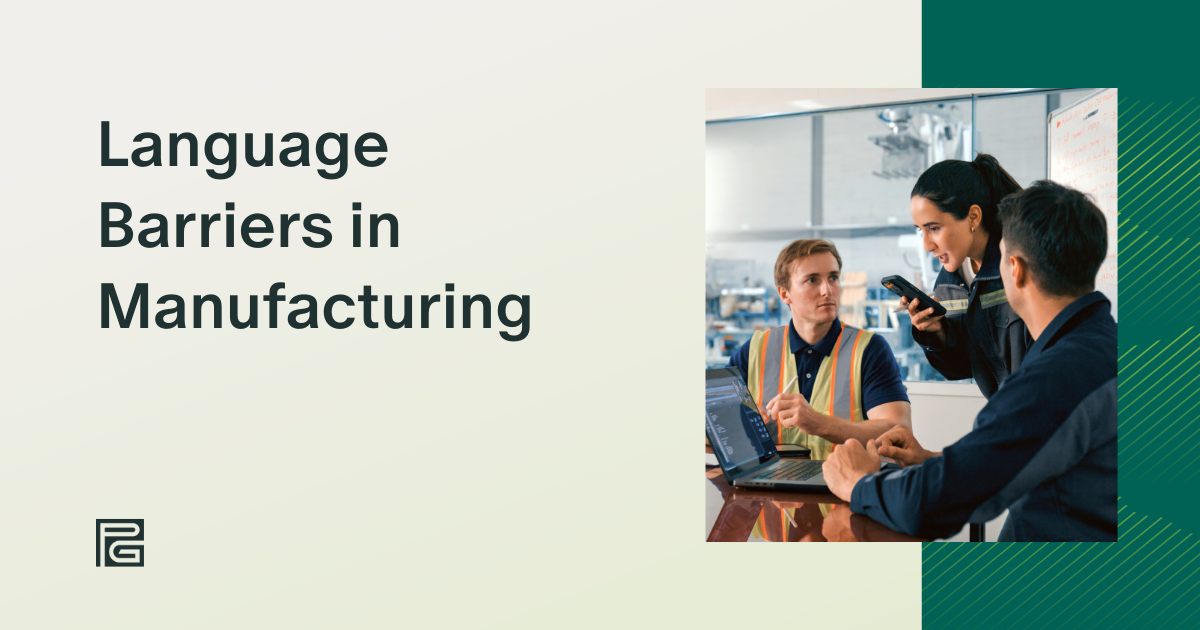
Language Barriers in Manufacturing: Why Leaders Are Investing in Language Solutions

Manufacturing today is more global, quicker, and more complicated. In this setting, clear communication isn’t an operational edge — it’s a prerequisite to safety, efficacy, and profitability. The majority of manufacturers, however, confront one continual and mostly underestimated obstacle: linguistic diversity among their workers and along their supply chains.

This article deals with how language barriers impact manufacturing companies, the dangers they pose, and the actions visionary leaders are taking to safeguard their workers, de-bottleneck operations, and ensure sustainable growth.


How Language Barriers Affect Manufacturing Operations

In business, the workforce is often made up of employees of different linguistic backgrounds — particularly where labor is in short supply or where migrant labor is employed. In addition, supply chains span continents, and there are vendors and suppliers who may not share your native language.

Wherever there are language gaps at any point during this process, the whole operation is susceptible to:

  • Misconceptions by employees regarding procedures, safety procedures, or use of equipment
  • Delays resulting from miscommunication with suppliers or logistics partners
  • Compliance risks of regulatory failure
  • Poor staff morale and retention because of feelings of exclusion or confusion


The Top 3 Risks of Language Barriers in Manufacturing


1. Safety Risks: Language Gaps Endanger Workers

Safety is the foundation of every production environment. When instructions, safety procedures, or hazard communication cannot be understood because of a language problem, the potential for accidents grows exponentially.

Main safety hazards are:

  • Misreading of machine operational instructions
  • Inability to comprehend emergency protocols
  • Inability to identify hazard signs or labels
  • Challenges in reporting close calls or incidents

According to the U.S. Bureau of Labor Statistics, language barriers in the workplace are associated with increased rates of injuries and fatalities. Language barriers were found to be a contributory cause of nearly 25% of industrial accidents among immigrant construction and factory workers.


2. Efficiency Risks: Miscommunication Disrupts Operations

Manufacturing depends on synchronization and accuracy.  Ineffective communication between workers or supply chain partners produces:

  • Missed production deadlines
  • Errors in product assembly or packaging
  • Supplier Coordination Failures
  • Material Delivery Delays

Language barriers hinder daily commerce, sap productivity, and spoil relationships throughout the supply chain.


3. Financial Risks: Language Barriers Hurt the Bottom Line

When efficiency and safety are compromised, so is your bottom line. The bottom-line costs of language disparity in manufacturing can be:

  • Injury Costs: Medical cost, workers’ compensation claims, and increased insurance premiums
  • Production Downtime: Losses due to accidents or errors
  • Supply Chain Penalties: Failure to meet delivery timescales or inaccurate orders
  • Regulatory Fines: Noncompliance with safety standards due to misunderstood protocols

For firms that operate in low-margin businesses, these types of costs can disproportionately affect profitability.


Solutions: How Manufacturers Are Overcoming Language Barriers

Progressive factory executives no longer consider language access a nice-to-have. It’s now a strategic necessity. Let’s discuss three of the ways they are overcoming this obstacle:


1. Workforce Language Training

Providing language instruction (or exposure to translated instructional content) enables workers to acquire the skills necessary to become effective workplace communicators.

  • eLearning Localization: Companies are now localizing safety training, standard operating procedures, and onboarding modules into the native languages of employees. This provides understanding and engagement.
  • On-site or distance language training: Focused English-as-a-second-language (ESL) or work-specific language training enables workers to gain confidence while improving safety and productivity.


2. Content Translation: Signage, Manuals, and Beyond

Manufacturing operations encompass an enormous range of written content — from equipment manuals and SOPs to safety signs and plant signage.

  • Technical manual translation ensures workers can operate machinery safely and efficiently.
  • Plant signage localization means that hazard warnings, directions, and emergency exits are understandable to all.
  • Translation of employee handbooks establishes expectations with clarity and assists in fostering an inclusive culture.


3. Interpretation for Real-Time Communication

Multilingual supplier chains or vendors usually require assistance with site visits, audits, or meetings.

  • Phone and video interpretation services allow teams to communicate clearly in the moment, averting costly misunderstandings.
  • On-demand interpretation aids HR discussions, safety orientations, and emergencies in which clear understanding matters most.


The Piedmont Global Approach: Helping Manufacturing Leaders Scale Language Access

At Piedmont Global, we recognize the business imperatives that manufacturing leaders confront. Our solutions are crafted to:

  • Minimize risks: From warning signs to compliance documents, our services keep you and your employees safe.
  • Increase efficiency: Localized training and correct interpretation avoid delays and rework.
  • Protect profitability: Reduce expensive mistakes, downtime, and ship on schedule with certainty.

We work alongside you as your strategic language partner, delivering comprehensive and personalized language solutions to help you connect with your audience—across any language or region.


Take the Next Step To More Efficient, Safer Operations

Language issues in manufacturing are more than a communications issue — they’re an operational risk. However, with the right partner, those issues can be transformed into competitive advantages.

Explore our comprehensive language access guide to learn more.

Download our eBook on building inclusive manufacturing operations.

Get in touch to start a conversation about scaling language solutions for your team.

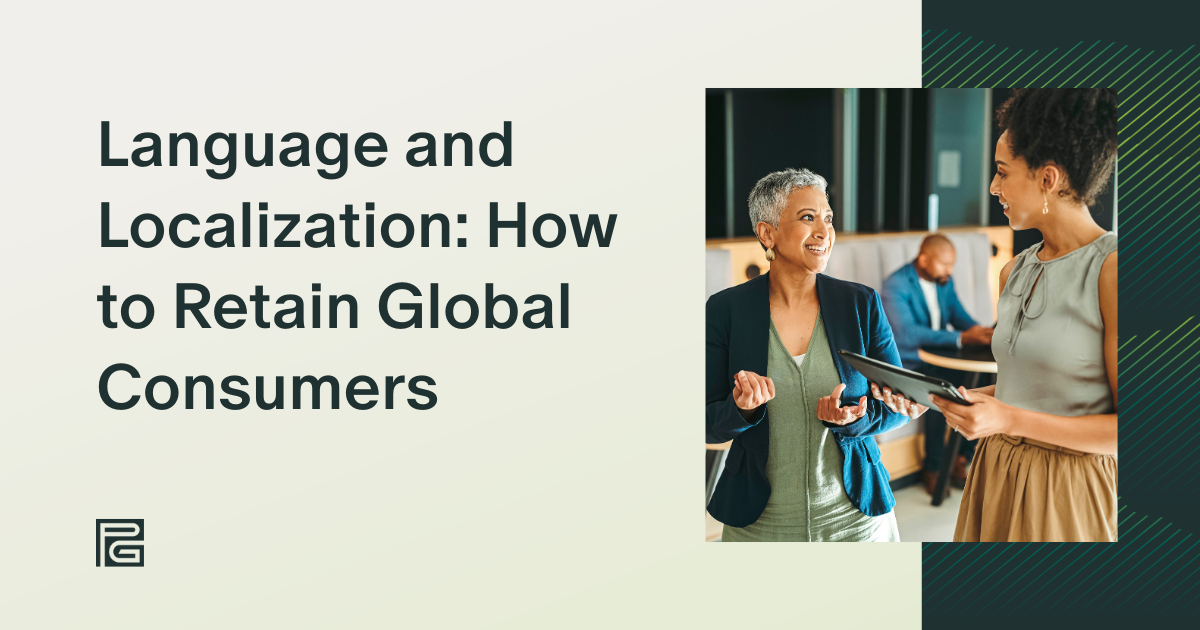
Language and Localization: How to Convert and Retain Global Consumers with Localized Content

Today’s leading brand marketing teams are increasingly asked to engage global audiences more effectively. It is in their interest to find the most accessible opportunities that align with budgetary requirements and can scale effectively. As digital communication and e-commerce have reduced the barriers to reaching global audiences, authentic and culturally attuned content is key to improving performance and should top the list of considerations.

In an era of noisy feeds and infinite scrolling, brands are up against a significant amount of competition in the attention economy. What drives customer engagement in your region may not translate into another culture. Translating ideas and repurposing existing concepts one-to-one is not the way to stand out.

survey by CSA Research asked English-as-a-second-language (ESL) consumers in Brazil, China, France, Germany, Japan, Russia, Spain, and Sweden to comment on shopping experiences in English. More than nine out of ten indicated they were much less likely to consider buying a product if it was neither presented in their native language nor adapted to their local preferences. One in six survey respondents would never consider investing in software if it was not offered in their native language.


Do these results surprise you?

Plenty of marketers still assume that campaigns and merchandising in English will work for the 1.46 billion people who speak English worldwide. This theory works when language and concepts rely on simple, universal themes. However, with only a fraction of these 1.46 billion people speaking English as their first language, and few campaigns clearing the bar for simplicity, failing to localize content could mean losing out on customers and engagement.

Individuals are more emotionally engaged when interacting with content in their native language. Why? Because familiarity and comfort significantly impact consumer decision-making. Translation and other language services can help bridge the language divide, but this is only the beginning of the process. To improve global reach and performance, brands need to go further, bringing localization into the global go-to-market planning process earlier.

Effective localization adapts translations to convey cultural references, idioms, design sensibilities, humor, and tone. When attempting to reach international markets, remember that translation is only the starting point, and that localization is the key differentiator to help you achieve your objectives.


What Role Does Language Play in Consumer Behavior?

Before we explore the applications of localization in global marketing and merchandising, let’s explore why language is such an important indicator of consumer behavior.  

Language shapes how individuals process and perceive information. When applied to a marketing context, language shapes consumers’ emotional connections with brands. Consider the impact if a consumer does not benefit from the ease and access provided by content in their native language. One can extrapolate the challenges to eliciting a comparable emotional response.  

For limited-English-speaking audiences, localization reduces the barriers to building a connection to and affinity for brands. This is true even if they have a working knowledge of the language.


How Localization Drives Consumer Engagement

Translation is part of the effort to connect with international customers, but localization is even more expansive. Localization enables brands to reflect locally held beliefs, traditions, context, current events, restrictions, faux pas, and humor 

Getting localization right signals to audiences that brands understand them. Brands perceived to be culturally aware tend to foster deeper emotional connections with their audiences, translating into greater, more enduring customer loyalty.  

Reporting over one billion in revenue in 2024, the cosmetic brand e.l.f., a New York-based company, is currently sold in 18 countries. e.l.f. recently launched a localized campaign called “e.l.f. von zehn” (eleven out of ten) that unites the brand’s commitment to quality with German consumers’ preferences for highly rated products. As a play on words, this campaign could only work for German-speaking audiences. Its success comes directly from a well-considered localization strategy, demonstrating the value of elevating local culture through partnerships with localization experts. 

Getting culture and localization wrong can be disastrous to engagement, sales, and retention metrics. You would not base your domestic marketing strategy on assumptions; the same must be true for international campaigns. Insufficient local market research or (sometimes) reliance on one-to-one translations of English-language materials can alienate audiences and lead to wasted investments. It is important to gain a thorough understanding of your audience’s culture and language, with the help of trusted market localization experts, to deliver relevant and engaging content that leads to increased sales and conversion.


Impact of Localization on Sales and Conversion Rates

Brands that invest in knowledge of local customs, idiomatic expressions, and societal values are rewarded with elevated trust and loyalty. Studies on neurocognitive processing support this claim, showing that the brain is more efficient at decoding familiar linguistic patterns. This heightened engagement is likely due to the cognitive ease of processing information in one’s native language.

For this reason, localization can also be a strategic investment in higher sales and conversion rates. According to Stripe, customers may abandon purchases when the checkout process is confusing. CSA Research has also consistently found that consumers in non-English-speaking regions are almost always more likely to complete a purchase when product information is available in their local language. To avoid this common pitfall, localizing your checkout workflow can improve sales and conversion rates by reducing unnecessary friction points in the customer journey.


Increase Marketing ROI with Localization

For global brands, the return on investment in localization is clear. Not only does localized marketing lead to increased brand recognition and trust, but it also drives significant improvements in sales conversions. Companies that fail to localize their marketing strategies are missing out on substantial growth opportunities, particularly in non-English-speaking regions, suggesting that brands should prioritize localization in their global expansion efforts.

Brands should not overlook this strong link between localization and long-term performance outcomes. For global brands, localization is not just a marketing tactic but a critical strategy for building trust, loyalty, and long-term growth in international markets. Customers who engage with localized content are more likely to become repeat buyers and advocates for the brand. This loyalty is tied to the emotional connection that localization fosters and the sense of respect and understanding that consumers feel when brands invest in culturally relevant communication. The correlation between localization and long-term retention is especially important for businesses looking to build lasting customer relationships in emerging markets, where brand loyalty can lead to sustained growth.

Learn more about localization from a Piedmont Global expert: contact a language access consultant today.

The Importance of Manufacturing Translation Services for Technical Documentation

With margins under a magnifying glass and workforce retention a top priority, services that enhance performance efficiency and workforce engagement, such as generative AI and manufacturing translation services, will play a critical role in 2025 and onward. Efficiency, safety, quality, and other core metrics are in focus, and most leading manufacturers plan to make significant investments in these areas, especially through technology-led solutions.

When integrating new processes and technology, language barriers add to the complexity. High-quality translation—of technical manuals, plant documentation, training videos, and other operational documents—presents an opportunity to bridge this divide. With advanced technology-powered language services, you can attract, train, and motivate a linguistically diverse workforce for optimal performance. Here’s how you can take advantage. 


How Manufacturing Translation Services Advance Production Efficiency, Compliance, and Safety

When advancing efficiency goals, optimizing existing practices can make all the difference. For example, replacing generic or machine-only manufacturing documentation translations with professional-grade translations can improve accuracy, leading to better comprehension and increased efficiency. 

Accuracy of translated content also matters to compliance, especially in regulated industries, such as pharmaceuticals and industrial chemicals. For example, as manufacturers face increased scrutiny of products sold in the European Union, documenting such factors as carbon emissions, energy usage, product ingredients and formulas, and other attributes has become an increasingly important (and regulated) practice. If executed poorly, the penalties can be steep, and language barriers are unlikely to be an acceptable excuse.  

Finally, manufacturing translation services support better safety outcomes. Among stateside employers, statistics show that Latino workers experience a job fatality rate that is 24 percent higher than the national average. Accidents and downtime are costly, and the harm to individual health and well-being can be irreparable. 

While the factors contributing to this outcome may vary, one tactic to help improve workplace conditions is consistency in communications. High-quality translations support a more thorough understanding of operational manuals and safety guidelines, ensuring workers receive equal opportunities to succeed and thrive at work. 


Generative AI in Manufacturing

Generative AI will also inevitably play a role in scaling production quality and efficiency. According to Deloitte’s 2024 Future of the Digital Customer Experience survey, 55 percent of product manufacturers already use generative AI as part of an overall digital transformation strategy. More than 40 percent plan to increase their investment in gen AI over the next three years.

Among its many applications, generative AI in manufacturing has led to significant, cost-saving innovations related to predictive maintenance, route design, supply chain optimization, and much more. Similarly, gen AI is transforming the language service provider (LSP) industry’s value proposition. Large language models enhance the translation quality of complex, context-sensitive content, creating opportunities for consolidated, global partnerships that deliver optimized technical manual translation and other training content at scale.

Investments in advanced technology like gen AI must come hand-in-hand with investments in personnel training to maximize impact. Human supervision of data structuring, AI output quality control, and other tech-driven operations remains essential. 


Engaging Diverse Workforces with Language Services

The digital transformation of manufacturing has as much to do with workforce engagement as it does production. Since employee turnover remains a top concern this year, per a 2024 National Association of Manufacturers survey of member companies, leaders are seeking ways to overcome the curse of frequent turnover. If your workforce is linguistically diverse, manufacturing translation services (including highly efficient, technology-led solutions) can assist with enhancing communication and engagement.

A strategic effort to bridge language barriers can help staff feel valued and heard, encouraging and empowering individuals to do their best work. Plus, when companies invest meaningfully in their employees over the long term, they are more likely to receive positive word-of-mouth referrals that enhance employer brand perceptions. It is difficult to track attribution, but investments in a positive workplace reputation can not only help attract high quality employees, but retain them, too.


Top Benefits of Manufacturing Translation Services

In summary, manufacturing translation services offer the following benefits in 2025:  

  1. Employee engagement: Remote interpretation services offer significant cost savings while providing employees with what they need to communicate and comprehend essential safety information. Affirming interpreted messaging with translated, localized training materials and safety instructions will enhance compliance and comprehension.
  2. Increased capacity: Technical manual translation and other training content can help drum up additional productivity without overtaxing budgets.
  3. Volume discounts for consolidated partnerships: When considering a comprehensive partnership across the organization, leading LSPs can often provide a volume discount. This financial benefit also leads to increased quality and consistency, as a manufacturer can count on its LSP leveraging the same translation memory for content, regardless of plant location.


Develop Your Manufacturing Translation Services Partnership

Don’t allow your investments in technical manuals and plant documentation to stop short of reaching your multilingual staff. When language barriers are present, and those responsible for high-volume tasks have a limited English-speaking proficiency, technical manual and plant documentation translation creates the opportunity for all employees to contribute effectively, leading to better overall production efficiency.

Ready to build your comprehensive manufacturing translation services partnership? Piedmont Global offers translation, localization, and interpreting solutions for global manufacturing enterprises in over 200 languages and regional varieties. 

Read our eBook and contact Piedmont Global to learn more. 

Translation in Manufacturing: Machine Translation vs LSPs

Manufacturing is an essential sector of the global economy, and many manufacturers are looking for ways to expand their businesses into new markets. However, language barriers can often stand in the way of success.

In today’s globalized economy, it’s more important than ever for manufacturers to be able to communicate with their suppliers and customers in multiple languages. Manufacturers who need translation services may consider the pros and cons of both publicly available machine translation (MT) and partnering with a language service provider (LSP).

In this blog post, we’ll look at each option’s pros and cons to help you decide which is right for your international business.


Language & Translation Services for Manufacturing

Before pitting our contenders against each other, let’s take a closer look at the language services landscape in manufacturing.

The demand for language services is growing rapidly as the world becomes increasingly connected. In fact, the global language services market is expected to grow by $21.67 billion by 2025.

This growth is driven by several factors, including the rise of e-commerce, the globalization of business, and the expansion of the sharing economy. These trends are particularly relevant to the manufacturing sector.

Most manufacturers use these services for:

  • Technical documentation
  • MSDS/SDS
  • Marketing and advertising
  • Text driven technology
  • Sales and customer support
  • Human resources
  • Research and development
  • Quality control
  • Logistics
  • Compliance
  • And more

Now that we know what they’re used for, let’s start by defining both types of services.


Language Service Providers (LSPs)

A language service provider is a company that provides translation and/or interpreting services. LSPs employ technical translators and interpreters who are experts in specific languages and industries. These professionals can provide high-quality translations that consider the nuances of language and culture.

LSPs also have a deep understanding of the manufacturing industry and can provide accurate technical terms within document translation requirements, such as character limits. LSPs can offer other services such as website localization or language training.


Piedmont Global

Piedmont Global provides experienced translators for over 200 languages, including Spanish, Chinese, French, and German. In addition, our team has extensive experience translating technical documents and materials for manufacturers.

We also offer a full suite of language services. Your international business can benefit from our interpretation services for business meetings, trade shows, and conferences. We also offer language training for manufacturers who want to improve their employees’ language skills.

Whether you need a one-time solution or a long-term language partner, Piedmont Global is here to help.


Machine Translation (MT)

On the other side of the equation are machine translations. MT is a technology that uses software to translate text from one language to another. Machine translation has come a long way in recent years, and it’s now possible to get immediate translations with this method.

To understand how machine translation works, it’s helpful first to understand how artificial intelligence works. AI is a technology that uses software to mimic the workings of the human brain. This software can learn and improve over time by analyzing large amounts of data.

One of the most common applications of AI is machine learning. This is a method of teaching computers to recognize patterns in data. For example, if you showed numerous pictures of cats to a machine-learning algorithm, it would eventually learn to identify cats in new pictures.

Machine translation works similarly. The software is fed a large amount of text in both languages. It then looks for patterns in the data and tries to match them. The more data the software is given, the more accurate it becomes.

The most recognized publicly available machine translation software is Google Translate. Millions of people use this software daily to rapidly translate short text.


Machine Translation vs. Language Service Providers: Tale of the Tape

While language service providers are not exempt from using machine translation, they couple more sophisticated machine translation engines with skilled human translations, ensuring a higher level of accuracy and quality control. Now that we’ve defined both machine translation and language service providers let’s look at how they compare.


Translation Accuracy

The most important factor in any translation is the final result’s accuracy. After all, the whole point of translating something is to communicate the same message in another language. If the translation is inaccurate, it will likely lead to miscommunication, which can be costly for your business.

MT engines rely on algorithms to identify patterns in data, so there is always a risk of error. In fact, it’s not uncommon for MT software to produce nonsensical results. Here is where machine translation falls short.

Machines cannot yet understand the context of what they’re translating. They can only identify individual words and phrases. Of course, the advances of GPT-3 and similar technologies are slowly changing. But for now, human translators, either on their own or with the assistance of machine translation, are still the only ones who can guarantee accurate translations.


Data Confidentiality

When working with personal or sensitive data, it’s important to consider who will have access to that information. With machine translation, you’re essentially giving your data to the software company. Their terms and conditions allow them to use it to improve their algorithms and even sell it to other global businesses. If you’re dealing with confidential data, this is not an ideal situation.

With trusted language service providers, you can be confident that your data will remain confidential. If they use machine translation to supplement their work, they’ll be using their own, highly secure systems. For example, when you work with Piedmont Global, your data is stored on our secure servers. An NDA can also be put in place to further protect your information.


Localization

Another important factor to consider is localization. Localization involves adapting a product or service to a specific region or market. It’s important because different areas have different customs, traditions, and linguistic varieties.

A classic example is Australian English vs. American English. The subtle differences between these two varieties can lead to confusion. That’s why it’s essential to use a localization service familiar with the target region.

If you’re manufacturing products in China, you’ll also need specialized knowledge of the Chinese market. There are over 1.4 billion people in China who speak dozens of languages using one main language system. Having someone from the local area who can help you navigate is essential.

Machine translation software doesn’t take localization into account. There is always a risk of cultural misappropriation, discrimination, or offense. In some cases, this can even lead to legal trouble.

That’s why it’s always best to use a human translator for localization. They will be familiar with the target region and will be able to adapt the text accordingly.


Quality Control

Quality control is another important factor to consider. This is the process of ensuring that a product or service meets specific standards. In the manufacturing world, quality control is essential. In many cases, the quality of the products you make relies on quality translations.

A single mistake in the translation can cause big problems. That’s why it’s essential to have somebody edit the text before it’s published. Machine translation software is not yet advanced enough to do this independently. In most cases, the software needs to be checked by a human before it can be considered accurate.

Certified language service providers often have humans checking the quality of their work.  Piedmont Global can utilize sophisticated machine translation coupled with human post-editing and outputs 99% accuracy in its translated documents through its proprietary quality control system, GlobalCheck®.

Learn more about Piedmont Global’s translation process.


Compliance and Expertise

In many industries, regulatory compliance is essential. That’s why many businesses lean on a certified translator familiar with your industry’s regulations.

For example, if you’re advertising medical products in the EU, you’ll need to follow the strict rules laid out by the European Medicines Agency. These rules are designed to protect consumers and ensure that only safe and effective products are sold.

Most AI will not ‘think’ about compliance, which can lead to serious problems. Human translators, on the other hand, are aware of these regulations. They can also adjust when policies change, as they often do.

In addition to compliance, you also need to consider expertise. This refers to the specialized knowledge that a person has in a certain field. In many cases, you’ll need somebody with expert knowledge to translate your text correctly.

For example, if you’re translating a complex manufacturing manual for a new machine, you’ll need somebody who is familiar with both the device and the industry terminology. Otherwise, there is a risk of making mistakes that could be dangerous or deadly.


Speed

In many cases, time is of the essence. For example, you might need to get a product to market quickly or sign a foreign contract before it expires. In these cases, you’ll need a translator who can work quickly and efficiently.

Publicly available machine translation software is often faster than human translators. The software can work 24 hours a day without taking breaks. Its computing speed isn’t restricted to ‘one brain’ but depends on the power of the computer it’s installed on.

Machine translation scores its first victory over human translators in terms of speed. However, remember that quantity does not always equal quality. In many cases, you’ll still need a human technical translator to ensure that the text is accurate.

It’s also important to consider the turnaround time. This is the amount of time that it takes to complete a project. If you pass your text through MT and need to rewrite half of it due to inconsistencies, the project will take just as long as if you had used a human translator in the first place.

Leveraging a hybrid approach that utilizes sophisticated machine translation alongside human translators can be a great way to ensure speed and quality.


Cost

Finally, the cost is another important factor to consider. In general, machine translation is cheaper than human translation. The costs associated with MT are usually just the price of the software, the computing power needed to run it, and the processing time to operate the application.

Human translation costs can vary widely. They depend on the language, the topic, the length of the text, and the expected turnaround time. Of course, freelancers often charge less than LSPs. However, LSPs usually have a team of experts who can complete the project more quickly and deliver a higher quality end-product.

Once again, you need to consider the quality of the final product. How much will a legal mistake cost you? What about leaking sensitive info? In many cases, the reputation risks associated with machine translation are not worth the savings. For this factor, consider the importance of the text in question when making your decision.


Who’s the Winner?

So, who wins the battle between machine translation and language service providers? It depends on your needs. In general, language service providers are better for businesses while publicly available machine translators are best for quick, non-business-related transactions. Language service providers leverage the power of sophisticated machine translation coupled with human translation to give your business the results needed to ensure success. Publicly available machine translators are often free and can immediately translate short texts. If accuracy and text requirements are not crucial, this method is acceptable in a pinch.


Human-Assisted Machine Translation (HAMT)

One solution that has emerged in recent years is human-assisted machine translation (HAMT). HAMT involves using both human and machine translation in the translation process.

The first step is to run the text through MT software, giving you a first draft of the text. Then, a specialized translator goes through and revises the text. This step ensures that the final product is high quality and accurate.

HAMT is an ideal compromise between machine translation and human translation. It’s faster than using only human translation, but the final product is usually better than what you would get from MT alone. Many language service providers use HAMT.


How to Choose the Right Language Service Provider

There are many LSPs to choose from. How can you be sure to select the right one for your project? Here are a few factors to keep in mind:


The Languages Offered

If you’re working on a project with several languages, look for a company that can handle all of them. Make sure that the agency can translate the languages you need. This will make coordination more accessible and ensure everyone is on the same page.

The team at Piedmont Global works in over 200 languages. We’re confident that we can handle any project, no matter how complex.


Industry Experience

Some LSPs specialize in certain industries. Make sure to ask about an agency’s experience before you decide to work with them. This can be helpful if you’re working on a project with jargon or specific terminology.

Translations in the manufacturing industry are best served with an LSP specializing in manufacturing. Piedmont Global offers expertise in the manufacturing space and can help you reach elevate your mission through our translation services.


Alternative Services

If you’re translating for another country, chances are your international business will need more than just translation services. Look for an LSP that can also help with things like market research, website localization, and SEO.

Whenever you need to visit the location in person, you should also have a reliable interpretation service to assist you. Piedmont Global offers all of these services and more. We’re your one-stop shop for everything language-related.

Finally, you might want to establish a presence somewhere permanently, where you’ll need fluent employees. Piedmont Global offers a comprehensive language training program to help employees learn a new language.


Elevate Your Global Manufacturing Operations with Piedmont Global

Whether you’re looking to expand into new markets, standardize safety protocols across your global workforce, comply with safety and privacy regulations, increase productivity in your factories, or tailor messaging to specific markets, Piedmont Global can help you customize and implement a comprehensive language strategy to help you meet your goals. Schedule a consultation with our language experts today to get started.

Language Training for International Diplomacy and Business

Language and Cultural Competence—Essential Elements for Effective Communication

“If you talk to a man in a language he understands, that goes to his head. If you talk to him in his own language, that goes to his heart.”


The Business of Language

The languages that we learn are more than just means of communication. Using only words, diplomats can start a war or end a hostage negotiation. Business leaders can create their vision of the world and persuade their counterparts across the boardroom table to invest in it. The Diplo Foundation, a non-profit foundation established by the governments of Malta and Switzerland, writes that this understanding of language as action, known as the Speech Act Theory, “is significant for diplomacy, since it confirms that diplomatic interventions and communications are not just a means to an end, but may be ends in themselves.”2

The same lessons must be applied in the increasingly interconnected world of international business, where language skills have proven to be just as important. Fundamentally, diplomats and business leaders “act on the world through language. It is therefore important to understand what exactly they are doing by means of the language they use.”3


Lack of Bilingualism in the US

Unfortunately in the US, when language training is mentioned, most people think back to everything that they have forgotten from their high school Spanish class. While experts estimate that approximately half of the human race is bilingual, only 20% of the American population is able to converse in two or more languages. In an online live panel discussion with The Guardian, Bill Rivers, Executive Director for the US Joint National Committee for Languages, accurately summarized the unique relationship that the US has with foreign languages: “We’ve a cultural tendency to look for quick solutions.”4

Despite today’s globalized society, there are still many factors that contribute to the lack of bilingualism here in the US, Relying too heavily on outdated foreign language workbooks, for instance, or on neural machine translation software can land you in hot water if you’re not careful. Effective, responsible language learning requires a program administered by language professionals who ensure you learn appropriate language skills coupled with poignant cultural references. If we refuse to change our monolingual attitude and fail to invest in professional language training, we will be left behind. We can no longer afford to employ these quick solutions — the stakes are just too high.


The Push for Language Training in the US — Lessons from our Past

On February 14th, 1979, Adolph “Spike” Dubs, the American Ambassador to Afghanistan was kidnapped in Kabul. He was held hostage in room 117 of the Kabul Hotel where he was ultimately killed in a 40-second shootout between the hostage-takers and the Afghan police who were acting under the direction of the Soviet embassy. As author Paul Simon wrote in his book, The Tongue-Tied American: Confronting the Foreign Language Crisis : “Before the tragic slaying, so the Washington Star reports: ‘[U.S.] Embassy officials had a brief chance to seize the initiative because they reached the hotel before Afghan police. But no one in the American party spoke fluent Dari or Pashto, the two most widely used Afghan languages, or fluent Russian.’”5

The primary function of diplomacy is communication between nations. According to the US Department of State (DOS), foreign service employees “represent the American people, advocate U.S. interests to the rest of the world and are America’s first line of defense in a complex and often dangerous world.”6 As such, language training should be seen as the most essential part of international diplomacy and international business.  “Diplomats engage in negotiations, persuasion, presentation, and communication, all of which necessitate language skills for the effective conduct of diplomatic work.”7 How can one advocate for the nation’s interests or negotiate for a preferred outcome without the basic ability to communicate across language and culture? The challenges of the 21st century require multilateral cooperation on multiple fronts — from climate change and environmental crises, to global pandemics and shocks to our interconnected economies. Without a multilingual approach, we will continue to talk past others, we will continue to fail, and will remain doomed to repeat the past.


US DOS Perspective: The Role of Language in Diplomacy

The US DOS’ perspective on the role of language in diplomacy has been evolving since the turn of the century. Dr. Gail McGinn, Senior Language Authority at the Department of Defense “recently noted the need to dramatically increase the number of personnel proficient in key languages such as Arabic, Farsi and Chinese to meet the expanding requirements for language and understanding of foreign cultures.”8 Additionally, Ruth A. Whiteside, the former director of the Foreign Service Institute, wrote in a 2008 article titled American Diplomacy and the Foreign Language Challenge:9


Language Training and Cultural Competence

Language training is more than simply learning the right words to say. It is about how we connect to others who come from a different part of the world. Language training for international diplomacy and business must take into account the cultural context of the language. In order for diplomatic training to be effective, former British diplomat Charles Crawford asserts: “Diplomats ought to know a little about the top 20 writers, poets, sports people, books, pop songs, legends, famous history moments, swearwords, jokes etc in any country they are going to.”10 This cultural competency ensures that, as British Foreign Secretary William Hague put it, diplomats and business leaders will be able to “get under the skin of a country and really understand its people.”11

In psycholinguistics, the Sapir-Whorf Hypothesis posits that the language spoken by an individual plays an important role in shaping her thoughts and actions. A significant part of learning a language involves changing the way our minds work, expanding them to include new perspectives and a new understanding of the world. If they are not careful, organizations might invest in language training that does not necessarily take the cultural context into account. It is only through intensive language training and cultural immersion that one can begin to understand the way that others think, and it is only through that understanding that we can truly break down barriers.

The following reflection of an American interpreter during his ACTFL-certified training for the Peace Corps demonstrates the need for cultural competence in language training:

During our 10-week intensive language training in Panamá, we covered cultural ideas like locus of control in collectivist vs. individualist cultures. In the latter, people believe that the individual is ultimately in charge of their own destiny, while in the former, the commonly held belief is that most things are outside of our control. I understood this concept intellectually, but there are some things that have to be experienced firsthand to be fully understood. In the afternoon, I would visit the house of one of my community counterparts, Marcelino Alabarca. We would drink coffee and engage for hours in small talk. Each day, I would attempt to schedule a time the following morning to work on his coffee farm. “Si Diós quiere,” he would respond (translated as “God willing”). After hearing this for several days without any follow through, I became frustrated. So, taking matters into my own hands, I came down to Marcelino’s house the next morning, ready to work. Marcelino sighed, “You want to go to the farm? Alright, let’s go.” “Great! I’m finally making progress!”, I thought to myself. However, when we arrived at the river, Marcelino looked at me knowingly. It had rained the previous night and the river had swollen its banks. The turbid water rushed rapidly over the stepping stones leading to the other side. There was no way to cross safely. “Si Diós quiere,” he chuckled. I learned my lesson that morning as we returned to Marcelino’s house for another cup of coffee.*

Language Service Providers (LSPs) that offer language training have an intimate understanding of the world of diplomacy for governments and international business communication. For this reason, they play a vital role in language training for diplomacy. Piedmont Global is a Strategic Globalization Organization that understands the importance of cultural competency and the critical need for specialized language training for international business.


Piedmont Global — Language Preparation for Diplomats and International Business Leaders

Piedmont Global has the experience and understanding necessary to adequately prepare diplomats and international business leaders for the challenges of our interconnected world. We have a longstanding partnership with the Defense Language Institute (DLI), the Department of Defense’s premier school for culturally-based foreign language training. We also have a longstanding partnership with the US DOS’ Foreign Service Institute (FSI), in which we train embassy staff before they are sent overseas. But our work is by no means limited to the public sector. We have extensive experience with numerous multinational corporations designing and implementing orientation and language immersion programs for new employees.

Piedmont Global offers language training in several signed languages as well as in more than 200 spoken languages, including Arabic, Chinese, Farsi, Dari, Hindi, Urdu and others deemed to be of critical-need by the US DOS. Additionally, Piedmont Global has followed the US DOS’ lead by “expand[ing] and enhanc[ing] language and area training to more advanced levels including focused targeted in-language media training and other job-specific modules designed to meet the needs of the 21st century foreign affairs professional.”12 This extensive experience has enabled us to rise to the top of elite language training programs in the US, offering a growing and robust language training program both on-site in Arlington, Virginia and online throughout the country.


Piedmont Global and ACTFL

As an active member of the American Council for the Teaching of Foreign Languages (ACTFL), we fully support the council’s advocacy for legislation that earmarks funding for the expansion of public school foreign language programs. It is vital that our children begin learning new languages at a young age if they are to achieve fluency. ACTFL proficiency guidelines remain the gold standard for understanding language fluency. Speakers at the Distinguished level demonstrate the ability to “reflect on a wide range of global issues and highly abstract concepts in a culturally appropriate manner. Distinguished-level speakers can use persuasive and hypothetical discourse for representational purposes, allowing them to advocate a point of view that is not necessarily their own… often using cultural and historical references to allow them to say less and mean more.”13 It is important to note that, as Matthew Rycroft, CEO of the U.K.’s Foreign and Commonwealth Office, pointed out, “however good diplomats are at languages, they will never be as proficient as native speakers.”14 This is a basic fact of language learning — no matter how hard you try, you can never fully get rid of your accent.

Overall, it is more important for diplomats and business leaders to have functional language skills rather than complete fluency. Speakers at the Advanced level of the ACTFL proficiency scale “engage in conversation in a clearly participatory manner in order to communicate information on autobiographical topics, as well as topics of community, national, or international interest… These speakers can also deal with a social situation with an unexpected complication.”15 Unexpected complications are commonplace in diplomatic and business settings, and the ability to stay flexible under pressure is vital. International counterparts will appreciate the effort being made to address them in their native language. Reaching across the language barrier shows a basic respect for our common humanity — refusing to make the attempt, however, reinforces cultural stereotypes about the Anglophone superiority complex, limiting and quite possibly damaging international relations.

In business as well as in diplomacy, multilateral solutions require a multilingual commitment. Invest in language training with Piedmont Global and rise to meet the challenges of an interconnected world.

Reach out to learn more about our language training solutions.


References

1 de Galbert, Pierre. “My Favorite Nelson Mandela (Mis)Quote.” Scholar.harvard.edu, 18 Feb. 2019, scholar.harvard.edu/pierredegalbert/node/632263

2, 3, 7 “Language and Diplomacy.” Language and Diplomacy | DiploFoundation, 2020, www.diplomacy.edu/language

4, 10, 14 Codrea-Rado, Anna. “Languages, Diplomacy and National Security: Five Key Issues.” The Guardian, Guardian News and Media, 5 Dec. 2013, www.theguardian.com/education/2013/dec/05/languages-for-diplomacy-key-points

5 Kuner, Christopher B. “Linguistic Equality in International Law: Miscommunication in the Gulf Crisis.” View of Linguistic Equality in International Law: Miscommunication in the Gulf Crisis, 1991, journals.iupui.edu/index.php/iiclr/article/view/17377/17505

6 “Who We Are – Careers.” U.S. Department of State, U.S. Department of State, 14 Feb. 2020, careers.state.gov/learn/who-we-are/

8, 9, 12 Whiteside, Ruth A. “American Diplomacy and the Foreign Language Challenge.” Council of American Ambassadors, 2008, www.americanambassadors.org/publications/ambassadors-review/fall-2008/american-diplomacy-and-the-foreign-language-challenge

13, 15 “ACTFL Proficiency Guidelines 2012”  American Council for the Teaching of Foreign Languages, 2012, www.actfl.org/resources/actfl-proficiency-guidelines-2012