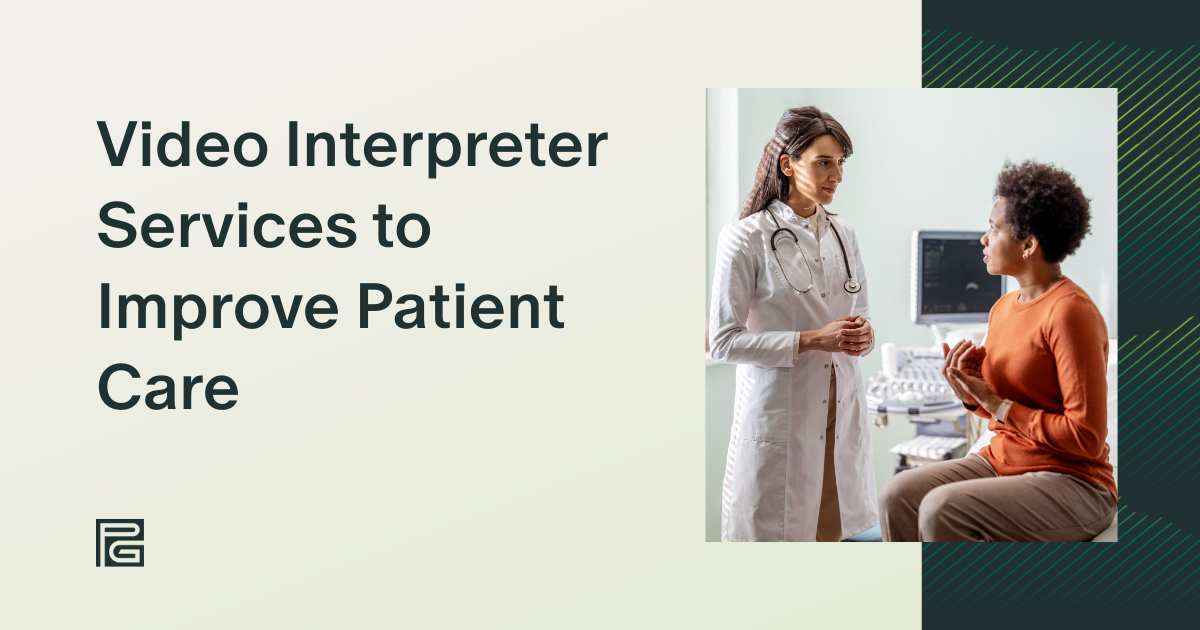
Video Interpreter Services to Improve Patient Care: Best Practices for Healthcare Providers

Effective communication is the essence of healthcare, and it is easily facilitated when the needs of a patient are clearly understood. This can be highly compromised whenever a language barrier between the two parties is at play. It can lead to miscommunication, dissatisfaction, and even adverse health events. Video interpreter services bridge these gaps in communication and ensure that patients are not denied needed care simply because of a language barrier. It is increasingly critical for healthcare providers and administrators to understand how to best position and take advantage of these services. 

Below, we will focus on how healthcare organizations can choose, implement, and optimize those services to better meet the needs of today’s increasingly diverse patient populations. 


Understanding Video Interpreter Services in Healthcare

Video interpreter services, or Video Remote Interpreting (VRI) services, provide real-time language support through the use of video technology. This allows healthcare professionals to communicate effectively with patients who have poor proficiency in the predominant language spoken within the care environment. Such services merge accessibility via telecommunication technology with the competencies of certified interpreters. They add a key visual element that is often critical for understanding conversational nuances, and for complete and accurate communication. 


Key Benefits of Video Interpreter Services / VRI Services

  • Improved Patient Outcomes: Clear communication is associated with improved understanding of the patient’s medical condition, compliance with the treatment plan, and overall satisfaction with the care provided.
  • Increased Accessibility: Using remote, on-demand video interpreter services enables immediate support regardless of the time or location. This is of particular importance in emergency situations.
  • Cost-Effectiveness: Unlike the services of an on-site interpreter, video interpreter services often reduce many costs related to travel, scheduling, and waiting, making these services much more efficient and affordable in many healthcare settings.
  • Non-verbal communication: Unlike phone interpreter services, video allows one to observe body language and facial expressions, which are valuable in making sure all parties are clearly understood. 
  • Complying with legal and regulatory requirements: Professional video interpreter services can assist healthcare providers in meeting their respective legal obligations under the ADA and Title VI of the Civil Rights Act. These call for ensuring effective communication with such patients who have a limited proficiency in the English language. 


Key Steps in Implementing Video Interpreter Services in Healthcare:


1. Needs Assessment and Selection of Service Provider

A needs assessment should be done prior to implementing video interpreter services. This assessment helps determine which languages are predominantly spoken within a patient population, as well as the relevant contexts where these services will be required, such as emergency rooms, outpatient clinics, and mental health services. 

 Key Issues in Choosing a Provider: 

  • Language Offerings: Ensure the provider offers a wide range of languages, including less common regional varieties that may be pertinent to your patient demographic.  
  • Availability: Providers should have services available around the clock, especially in a critical care environment when communication needs might become urgent. 
  • Certifications and Quality of Interpreters: Ensure interpreters are certified in medical terminology, sensitive communications, and can lead complex, nuanced conversations.  
  • Compatibility with Technology: Video interpreter services should be compatible with the existing technology infrastructure. This technology includes mobile devices, tablets, and desktops. They also need to meet all security and privacy standards, including HIPAA compliance. 


 2. Training of Healthcare Staff

The training of the healthcare staff on how to effectively utilize video interpreter services is crucial for its successful integration into the healthcare setting. Such training can be on the basics of accessing the service, as well as guidelines on the best practices of working with an interpreter. 

Some Training Tips: 

  • Accessing and Connecting to Video Interpreter Services: clearly explain how the service will work on a variety of devices in multiple environments, including hands-on practice. 
  • Training Staff on Working with an Interpreter: Training for staff, including speaking directly to the patient, stopping frequently to provide time for interpretation, maintaining respectful body language, and empathetic tone should all be considered. Proper training in cultural sensitivity will add to making interactions more positive on all levels and care more inclusive. 


3. Integration of Video Interpreter Services into Care Workflows

For video interpreter services to be effective, they must be seamlessly integrated into existing care workflows. This means establishing protocols for when and how interpreters are engaged, ensuring such services are on demand at every point of care. 

Integration Steps: 

  • Develop Clear Protocols: Establish guidelines regarding when video interpreter service use is necessary: intake assessments, consent processes, discharge planning, and at any time when a language barrier is identified. 
  • Standardization Across Departments: Ensure all departments are aware of, and timely implement, protocols associated with the use of interpreter services as a means to ensure consistency in patient care. 
  • Integration: Integration into telehealth, such as utilizing video interpreters for virtual appointments, helps ensure language services are available in digital health environments.


4. Monitoring and Evaluation of Service Effectiveness

Monitoring of video interpreter services on a continuous basis helps to keep its effectiveness high for both the patient and healthcare providers. Feedback by the staff and patients will help in recognizing areas that need improvement. 

Evaluation Strategies: 

  • Patient Feedback: Surveys or interviews are a good method by which patients can provide feedback regarding their experiences with video interpreter services. Ask about topics such as accessibility of the service, effective communication, and general satisfaction.  
  • Track Key Performance Indicators: Waiting times for accessing an interpreter, the number of sessions conducted, and breakdowns in communications are some of the key metrics that indicate a certain trend in the workflow and show areas of improvement. 
  • Review Compliance and Quality Standards: Normally review the service provider’s compliance with quality standards and certifications to ensure ongoing reliability and professionalism. 


5. Addressing Challenges and Barriers

While video interpreter services offer significant benefits, there can be challenges that healthcare organizations may go through in implementing them. Commonly cited barriers include technical issues, staff resistance, and patient discomfort with the technology.

Strategies to Overcome Challenges: 

  • Connectivity and Technical Support/Troubleshooting: A competent program of technical support can help resolve problems relating to connectivity and keep the devices in a state that renders them accessible throughout all areas of care. 
  • Engage Staff Early: It is a good idea that essential staff be involved early enough in planning stages. Explaining how the interpreter services can bring added value to the care of the patients can help ease the transition. Providing incentives for them whenever the staff participate in training sessions can also help with seamless implementation. 
  • Patient Orientation: If this is something completely new to the patient, it would be helpful to provide a short orientation on what the video technology entails. This can make them feel more relaxed and trust the process. 


Break Language Barriers with Piedmont Global

Video interpreter services are a strong tool for enhancement in patient care through the breaking of language barriers in healthcare. A health organization should select a service provider with care, train its staff properly, and embed the services seamlessly into their workflow of patient care processes. Additionally, investing in video interpreter services can significantly improve patients’ outcomes and satisfaction. Further, it can help meet regulatory requirements and ensure care settings that are inclusive and equitable.  

By following the best practices identified here, healthcare organizations will be able to realize the most benefit from video interpreter services. In doing so, they will continue to take more significant steps forward in effective communication and superior care to diverse patient populations.

Explore our Video Remote Interpreting services and see a quick demo of how our VRI works.

Exploring New Technologies in Digital Forensics: Insights from Techno Security West 2024

The future of investigations is here, and it’s bringing a host of cutting-edge technologies to the table. From neural machine translation (NMT) to augmented reality (AR), professionals are finding new ways to uncover, recreate, and analyze evidence. This year’s Techno Security West conference offered a unique opportunity to dive into these advancements, and our VP of Product and Technology, Gilbert Segura, was at the forefront of the discussion.

Meeting the Global Investigative Community

At Techno Security West 2024, professionals from around the globe gathered to explore emerging technologies. Law enforcement, federal investigators, and commercial forensic experts joined us from Los Angeles, Taiwan, the Netherlands, and beyond. Their mission? To better understand how tools like NMT, large language models (LLM), and AI intersect in their work. 

One common theme emerged: language capabilities are often an afterthought in investigative and forensic tools. Whether they’re tackling a local case or handling an international investigation, many investigators admitted that they rarely get language resources at the start of their analysis. Yet in a globalized world where criminal activity knows no borders, the need for accessible language solutions is becoming increasingly clear.

“Security, accountability, and accuracy drive this industry because there’s a lot at risk. When language capabilities are overlooked, it can lead to critical delays that impact success.”

Analysts and law enforcement need to hit the ground running and delays due to language barriers can be detrimental.

SLIDE: Bridging the Language Gap

Gilbert presented alongside Steve Braich, who introduced SLIDE, the Spoken Language IDentification Environment, and one of the only products designed to address this specific need. During the session, which despite being the last session on the last day, attracted 50+ attendees and the team conducted live demos showcasing SLIDE’s ability to identify and transcribe languages like Spanish, German, and French—in real-time. 

In a memorable moment, Gilbert even tried his hand at Russian, though it quickly became apparent that his single semester of Russian from years ago wasn’t enough to convince the system! “It was a fun moment,” Gilbert shared, “It was horribly terribly bad, and we all got a good laugh about how my Russian accent is so disjointed that it was heard as Arabic, Korean and Greek which the system decided to also show as the broken universal character �” Despite not having understood that language-salad correctly, the audience appreciated the capabilities demonstrated, and the session highlighted the importance of having real-time multilingual support for many purposes. 

The Power of Integration: Tools for the Modern Analyst

Beyond language identification, the session explored how emerging tools like LLMs and automatic speech recognition (ASR) are being integrated into workflows. With advances in multimedia integration, crime scene reconstruction is evolving rapidly. Investigators can now capture video or audio footage and translate it into multiple languages. Transcription also allows for other analysis tools to take over as it’s a pass through to other systems—sometimes the analyst only needs a direction to follow; then they go back to their secure enclave to pursue it. 

As law enforcement and investigators increasingly deal with complex, multinational cases, technologies like these allow them to analyze scenes from new perspectives. Neural machine translation (NMT) and LLMs are helping teams manage data more efficiently, allowing for faster, more accurate results. 

“These technologies not only speed up investigations but also provide critical accuracy in a field where every detail counts. By leveraging multimedia tools, we’re giving investigators the power to see and understand things they otherwise might miss.”

Addressing Key Concerns: Security, Privacy, and Speed

During the session, the speakers also tackled some of the key concerns security professionals face when using AI-powered tools. Chief among them are questions around speed and privacy. As Gilbert noted in his discussions with practitionerscloud-based systems offer speed but often raise concerns about data security, confidentiality, and regulatory compliance. On the flip side, local deployments of tools may be slower but can provide more control over sensitive data. The SLIDE system was working offline 100% of the time during the session to demonstrate it’s local nature. 

“It’s all about balance. Investigators have to weigh the speed and convenience of cloud-based tools against the need for confidentiality and control. Each case may require a different solution, and we’re here to help navigate those choices.”

A Look Toward the Future

As the digital forensics world continues to evolve, language and technology will play increasingly important roles. Whether it’s leveraging VR and AR to view evidence or using AI-powered tools to bridge the language gap, the possibilities are endless. 

PGLS is proud to be at the forefront of these innovations, helping investigators, law enforcement, and forensic teams gain access to the tools they need to succeed. As Gilbert and his team demonstrated, solutions like SLIDE are not just making investigations faster—they’re also making them more accurate and accessible to everyone involved. 

Connecting with Us

Want to learn more about how PGLS is pushing the boundaries of language technology? If you weren’t able to attend the conference, connect with us to see how our solutions can transform your investigative processes. Gilbert Segura and the team will be holding a webinar next month, and we invite you to come, ask questions, and experience our demos firsthand. 

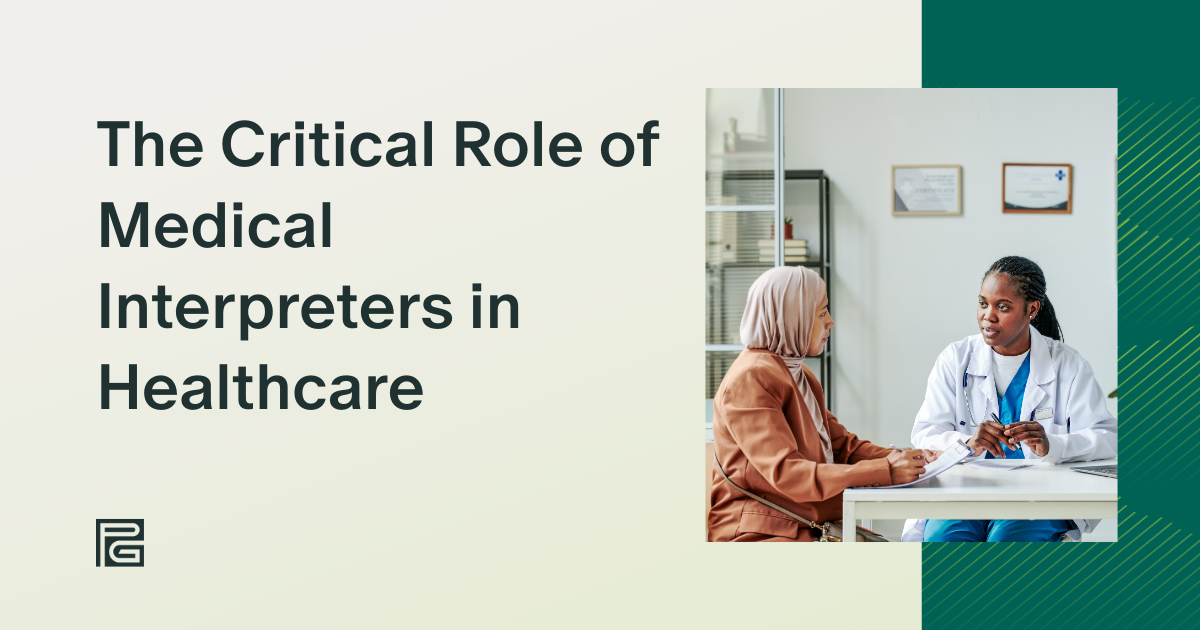
The Critical Role of Medical Interpreters in Healthcare: Ensuring Patient Safety and Accurate Communication

In today’s increasingly diverse healthcare environment, accurate medical translations and interpreting plays a critical role in ensuring patient safety and improving healthcare outcomes. The growing need for medically trained human interpreters, especially as demographic changes shift patient populations, highlights the importance of precision in language services. 

As a veteran in the language services industry, I have participated in and witnessed many changes. From the introduction of telephone-based technology used to expedite connections to qualified linguists, to regulatory enhancements designed to equalize access for limited and non-English speaking communities, significant advancements have been made in supporting language services in healthcare.

“While technology has improved access, human interpreters remain the most effective solution for complex medical interactions where accuracy, empathy, and cultural nuance are critical.”

The Need for Human-Based Medical Interpreting

In healthcare settings, effective and accurate dialogue between patients and medical professionals is vital for diagnosis, treatment, and patient care. Miscommunication in these situations can lead to serious risks, including incorrect diagnoses, medication errors, failure to obtain informed consent, and more. Accurate, human-based interpreting ensures that critical medical information, such as symptoms, medications, and treatment plans, is conveyed precisely without misunderstandings, thereby reducing the risks associated with language barriers. 

While technology-driven solutions, such as speech to text to speech and AI, have evolved, they cannot yet replicate the depth of understanding or cultural nuance that human interpreters provide. Particularly in healthcare, where patient emotions and subtleties of speech can significantly impact outcomes, trained human interpreters remain essential. A slight error in interpretation or translation can drastically affect patient health. This makes trained interpreters as essential to healthcare as a nurse, a radiology technician, or other healthcare professional ensuring that language barriers do not impede quality of care.

Demographic Drivers Increasing Demand for Medical Interpreters

The demand for professional medical interpreters is growing, driven by demographic changes in various regions of the United States. Immigration patterns and the overall aging of populations have led to an increase in non-English speaking patients seeking care. In metropolitan areas such as Los Angeles, New York, and Houston, where diverse populations are expanding rapidly, the need for accurate language services in healthcare is paramount. 

According to recent studies, over 25 million people in the U.S. have limited English proficiency (LEP), a number that continues to rise. Many of these individuals live in areas with limited access to qualified interpreters, creating an urgent need to bolster the workforce in medical interpreting. Areas with significant immigrant populations—such as the Southwest, the Northeast, and parts of the Midwest—are particularly affected, further underscoring the importance of having certified human interpreters readily available to meet patient needs.

Why Human Interpreters Over Technology?

While the advancements in technology are impressive, human interpreters still offer distinct advantages over machine translation or other tech-driven solutions. Human interpreters are trained to navigate complex medical terminology, cultural nuances, and sensitive emotional contexts that often arise in healthcare settings. Furthermore, human interpreters ensure a patient-centric approach, fostering trust and comfort—two essential elements in providing quality care. 

Relying on untrained bilingual speakers, such as family members or hospital staff with some language proficiency, poses significant risks. Family members may lack the medical knowledge to interpret complex terminology accurately. Additionally, culture or family biases may interfere with the communication flow resulting in withholding of sensitive information, paraphrasing or filtering content. Similarly, untrained bilingual staff may make critical mistakes when interpreting medical jargon, leading to potentially harmful outcomes for the patient. Professional medical interpreters, on the other hand, are trained to navigate medical terminology and ensure that all communication is clear, culturally sensitive, accurate and without bias. Like any other healthcare professional, they play a vital role in safeguarding patient safety and improving outcomes.

Addressing the Growing Need for Medical Interpreters

Despite the critical role of interpreters in healthcare, the field of medical interpreting is currently facing a shortage of professionals, and this gap is widening as the need for multilingual healthcare continues to grow. As the population of non-English-speaking patients increases, healthcare institutions must prioritize the acquisition of qualified medical interpreting solutions through the recruitment and training of skilled interpreters and/or outsourced services to meet demand. Several factors are driving this shortage, including the limited availability of interpreter training programs, the lack of awareness about the profession, and the financial barriers to obtaining certification.

There are several ways to address this, healthcare institutions, language service providers and government agencies could invest in interpreter training programs. Scholastic institutions could bring back language education in K–12 schools, encourage career opportunities and offer certification pathways and offer scholarships to attract new talent. Creating awareness about the critical role interpreters play in healthcare could drive interest and advocacy for policies that bolster this essential workforce.  

The Future of Medical Interpreting

As global migration patterns continue to diversify patient populations, the demand for accurate medical translations and interpreting services will only increase. While technology will undoubtedly play a role in facilitating access to these services, human interpreters remain the most reliable and effective option for ensuring positive patient outcomes in healthcare settings. 

Healthcare providers must recognize that language access is a critical component of patient safety and mandated by federal law. Investing in qualified, human interpreters is essential to overcoming language barriers. Whether through increasing interpreter training programs, promoting language education, or raising awareness about the importance of this profession, we must take steps to ensure that all patients—regardless of their native language—receive the care they deserve.

Remove Barriers to Healthcare

Professional language interpreters are vital for ensuring positive outcomes in healthcare settings. While technological advancements are impressive, it still falls short when nuanced and sensitive human-to-human communication is necessary. As the demand for multilingual healthcare continues to grow, it is important to expand the pool of qualified medically trained language interpreters. Without this pool of professionals, those who need accurate medical care but are unable to communicate because of language barriers, will likely experience more negative outcomes. Whether as healthcare professional, educator, or policymakers, we must support this essential career, ensuring that language is never a barrier to quality care. 

Contact us to see how we can help your organization today.